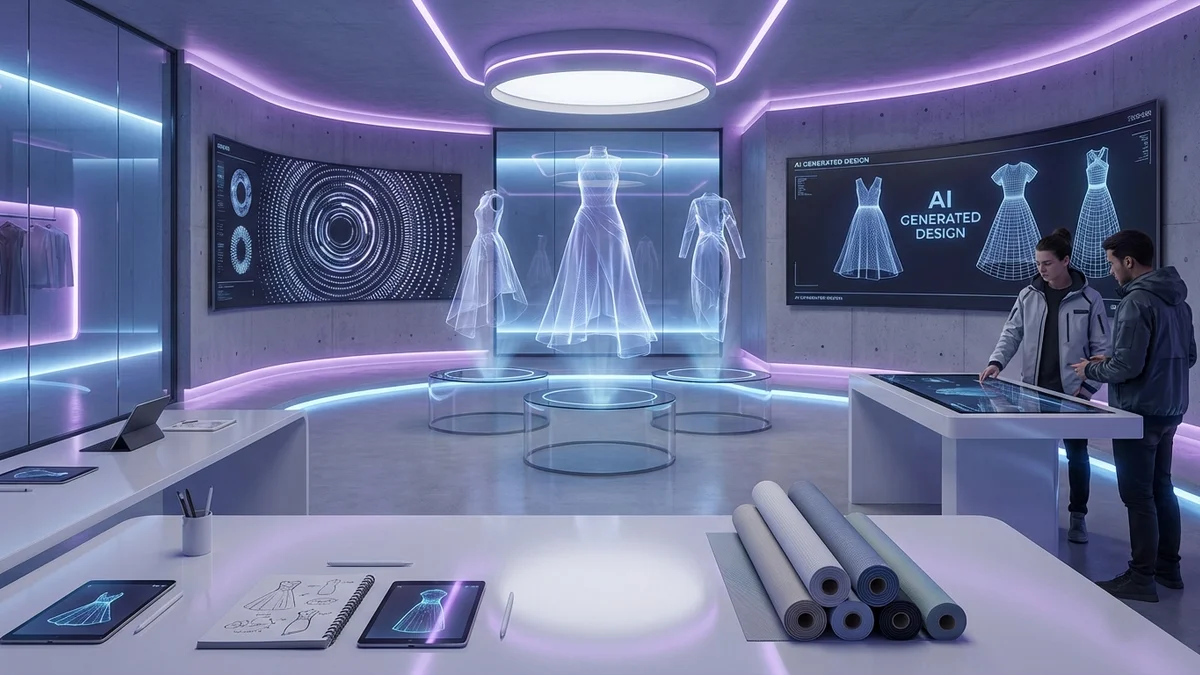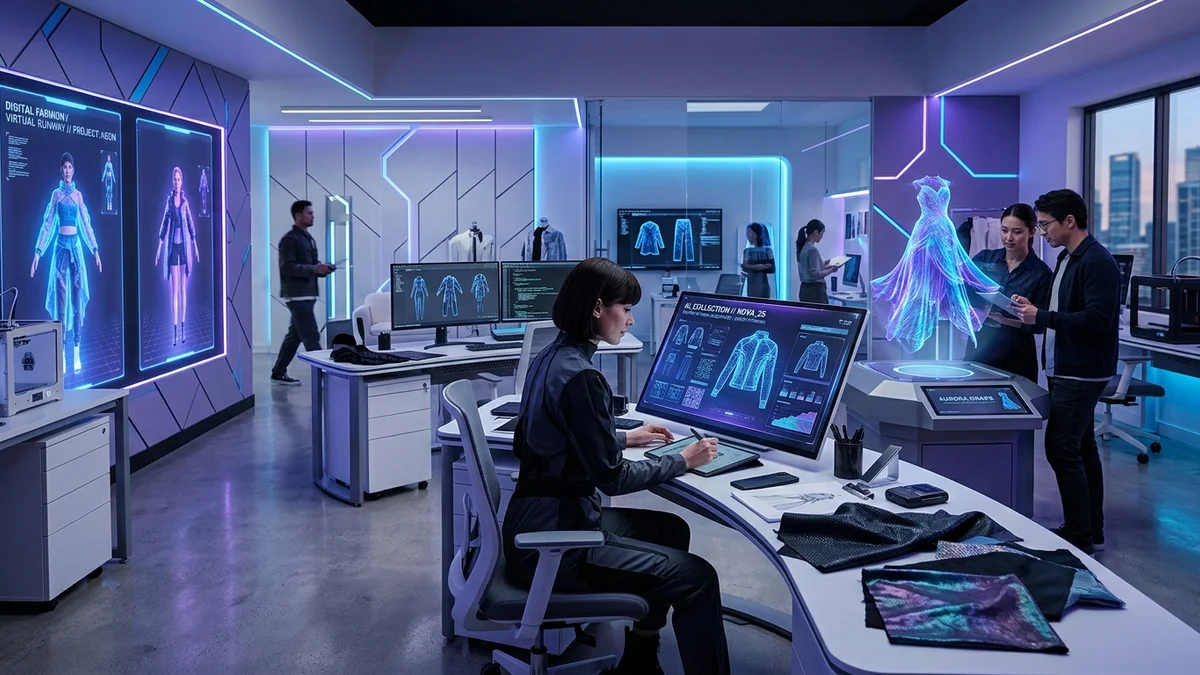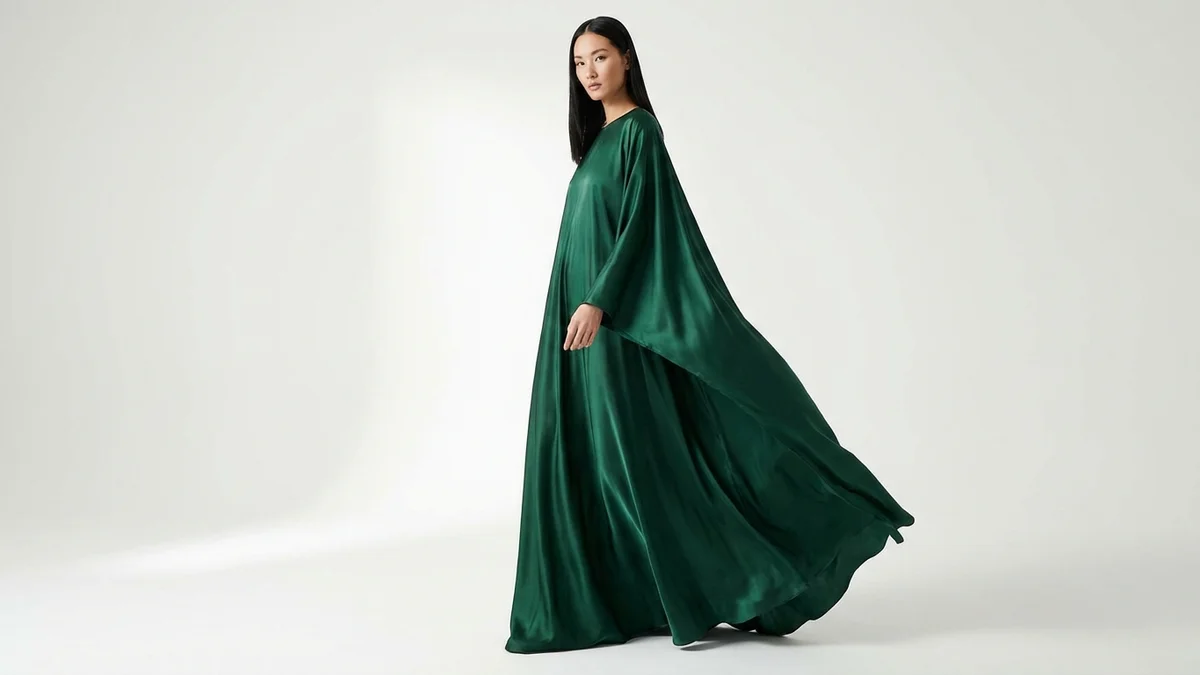
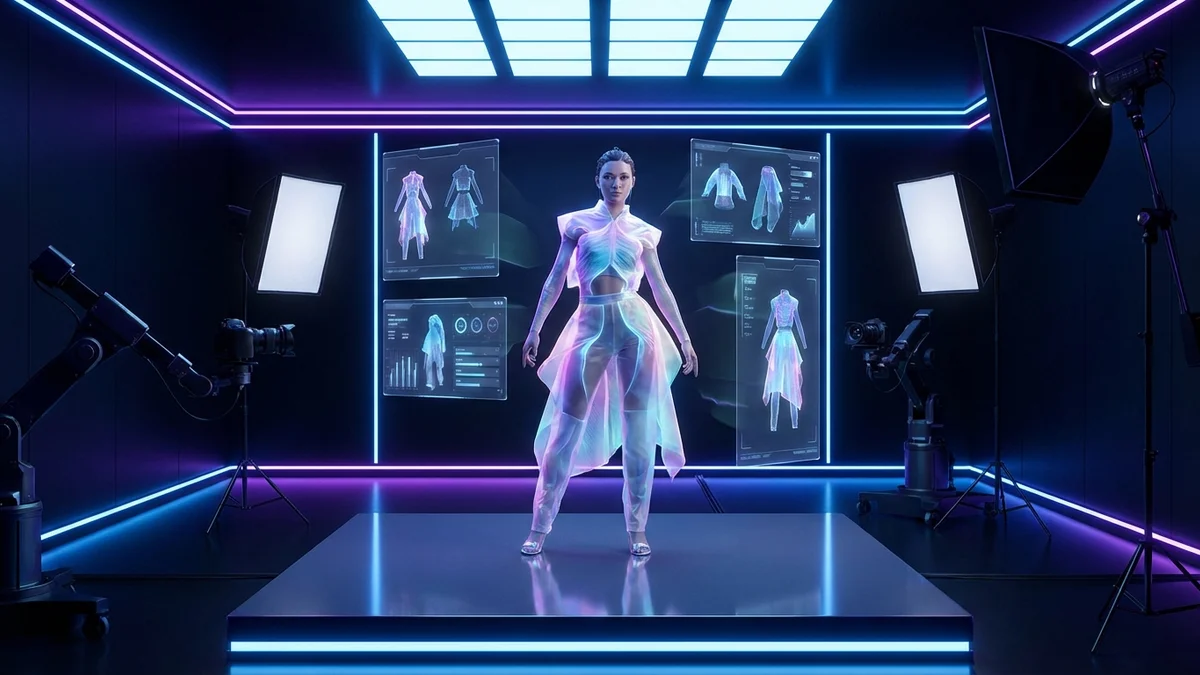
A virtual model is a computer-generated digital human designed to showcase clothing, accessories, and fashion products without the need for a physical photoshoot. Powered by AI, CGI, and 3D rendering technology, virtual models are transforming how brands create product images, run marketing campaigns, and help shoppers visualize outfits online.
In 2026, the digital fashion market is projected to reach $7.85 billion, and virtual models sit at the center of this revolution. Whether you are a brand owner, a curious shopper, or a fashion tech enthusiast, this guide covers everything you need to know about virtual models.
TL;DR
Virtual models are AI-generated or CGI-created digital humans used in fashion for product photography, marketing, and virtual try-on experiences. They reduce production costs by up to 90%, increase diversity in representation, and speed up content creation. Shoppers can also use virtual model technology through tools like CheckMyFit to see how clothes look on their own body before buying.
What Is a Virtual Model?
A virtual model is a three-dimensional, photorealistic digital representation of a human being created entirely through computer technology. These digital avatars replicate real human features including skin texture, body proportions, facial expressions, and natural poses. Brands use them to display clothing and accessories in ecommerce product pages, social media campaigns, and digital lookbooks.
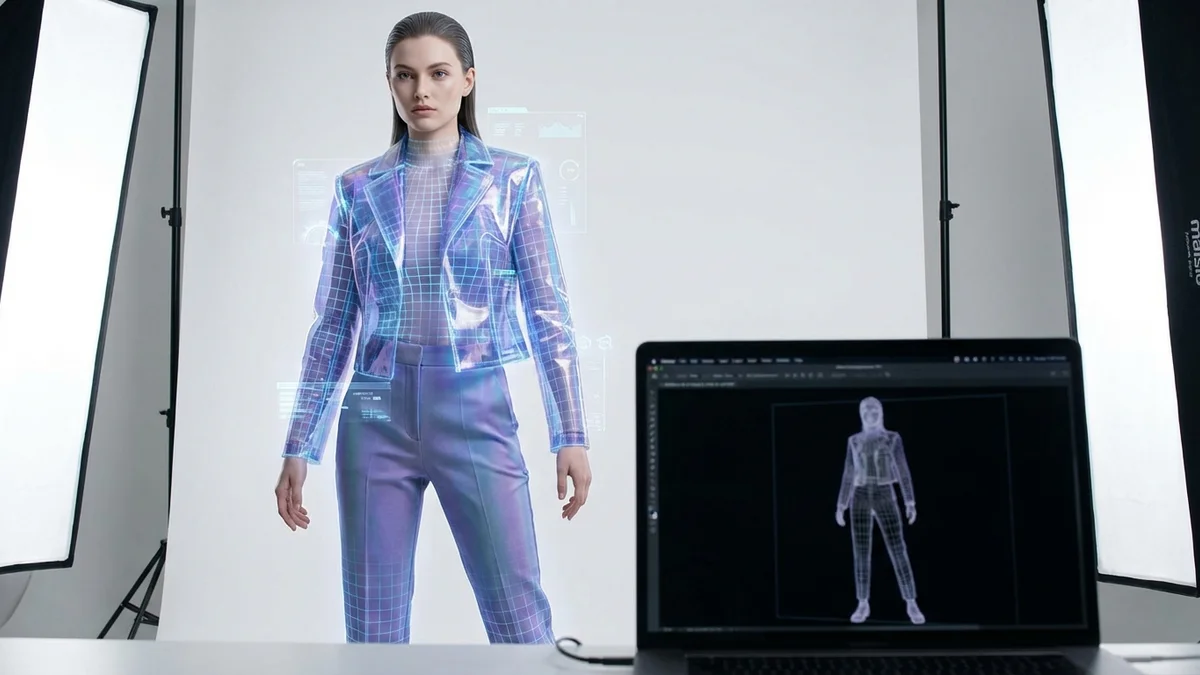
Unlike traditional fashion photography that requires hiring models, booking studios, and coordinating entire production teams, virtual models can be generated on demand. A single brand can create hundreds of product images in hours rather than weeks.
Key Takeaway: A virtual model is a digital human created by AI or CGI that replaces traditional fashion photography models for product visualization and marketing.
There are two primary creation methods:
| Method | Technology | Best For | Cost |
|---|---|---|---|
| CGI (Computer-Generated Imagery) | 3D modeling software like Blender, Maya | High-end campaigns, luxury brands | Higher upfront, reusable assets |
| Generative AI | Machine learning models, neural networks | High-volume ecommerce, quick iterations | Lower per-image, scalable |
The global AI fashion model generator market is forecast to grow from $1.47 billion in 2025 to $5 billion by 2035, at a CAGR of 13.1%.
What Are the Different Types of Virtual Models?
Virtual models serve different purposes depending on the use case. Understanding these types helps brands choose the right approach for their goals.
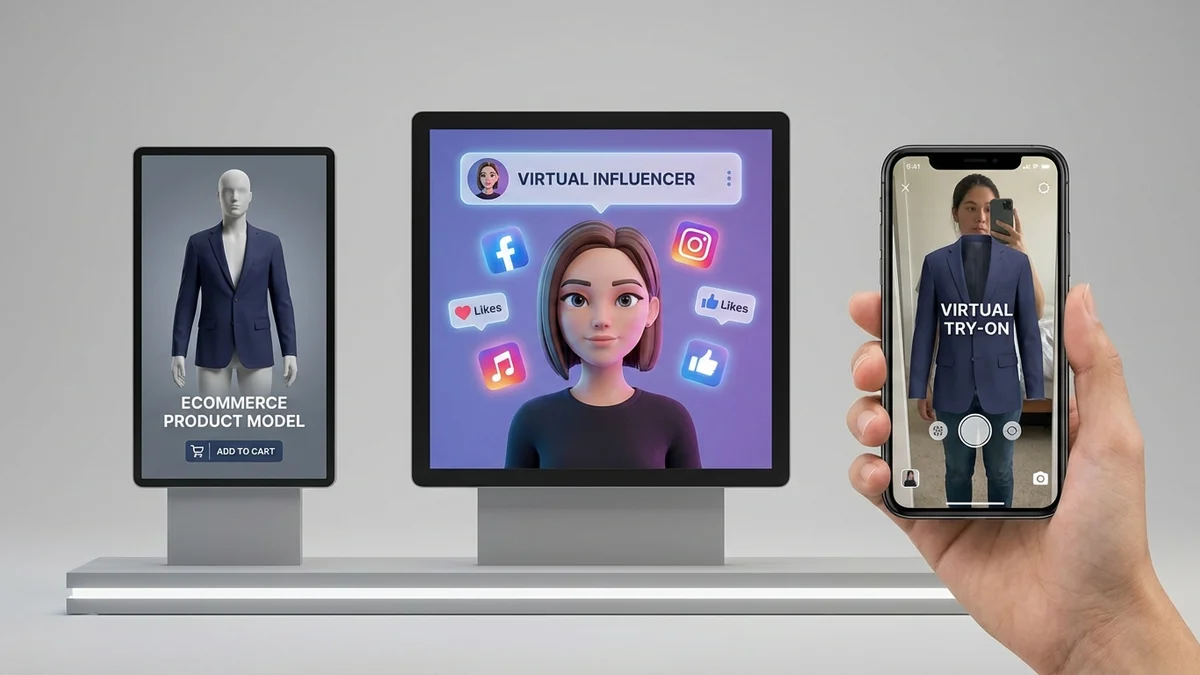
Ecommerce Product Models
These are photorealistic digital avatars built specifically for product detail pages (PDPs). They showcase clothing accurately by capturing fit, drape, texture, and proportions across different body types and sizes. Consistency and repeatability are their biggest strengths.
Virtual Influencers
Digital brand ambassadors with distinct personalities and social media presence. Examples include Lil Miquela (3M+ Instagram followers, worked with Prada and Calvin Klein), Shudu Gram (the world's first digital supermodel, featured by Fenty Beauty), and Noonoouri (collaborated with Dior and Versace).
Virtual Try-On Models
These allow shoppers to visualize how a garment looks on their own body or a personalized digital double. Using augmented reality or AI body mapping, they provide one-to-one personalization and maximize fit accuracy.
| Type | Primary Purpose | Key Benefit | Example |
|---|---|---|---|
| Ecommerce Model | Product pages, catalog images | Consistency at scale | Photoroom, Botika |
| Virtual Influencer | Social media, brand campaigns | Audience engagement | Lil Miquela, Shudu |
| Try-On Model | Shopping experience, fit preview | Reduced returns | CheckMyFit, Fashn.AI |
Key Takeaway: The three main types of virtual models serve ecommerce, social media marketing, and personalized shopping experiences respectively.
How Do Virtual Models Work?
Virtual models work by combining advanced technologies including 3D scanning, AI-driven body morphing, fabric physics simulation, and real-time rendering. The process differs depending on whether the model is CGI-based or AI-generated.
For CGI virtual models, skilled 3D artists use software like Blender, Maya, or CLO 3D to sculpt a digital human from scratch. They define body shape, skin tone, facial features, and hair. Clothing is then digitally draped onto the model using fabric simulation engines that calculate how materials fold, stretch, and drape based on their physical properties.
For AI-generated virtual models, brands upload a flat product image (such as a photo of a dress on a mannequin or flat lay). The AI system then:
- Analyzes the garment's shape, color, and texture
- Selects or generates a body model matching brand specifications
- Maps the clothing onto the virtual body with realistic draping
- Renders the final image with professional lighting and backgrounds
This entire process takes seconds rather than the weeks required for traditional photoshoots.
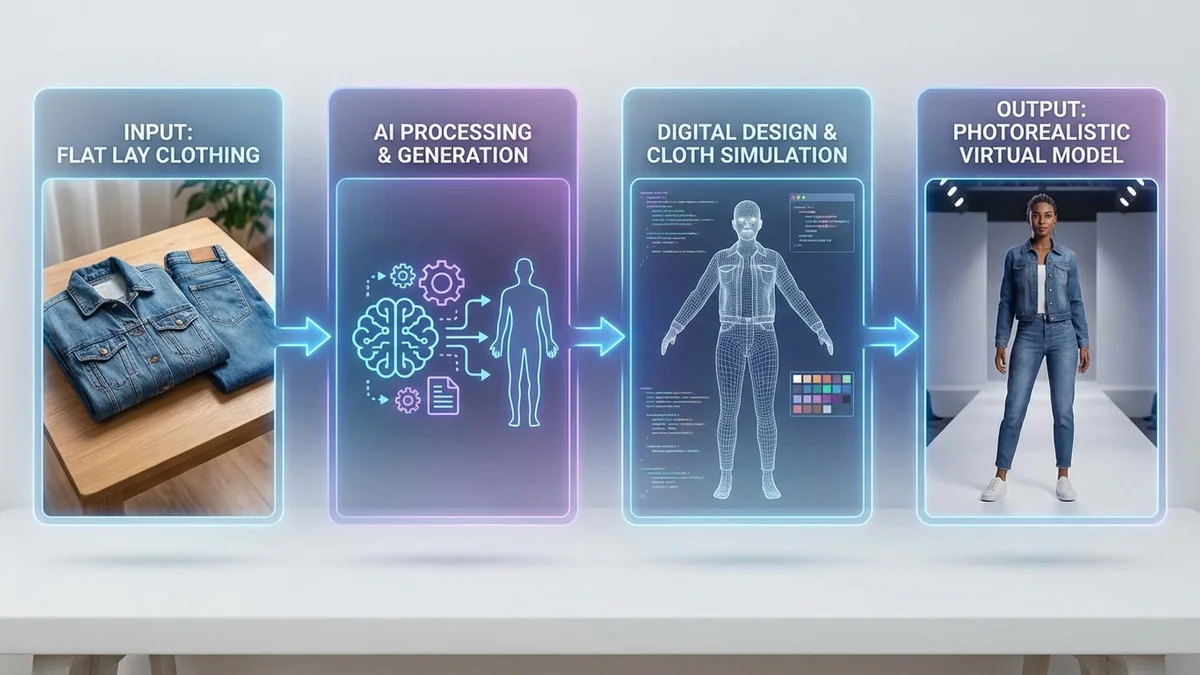
Key Takeaway: Virtual models combine 3D modeling, AI generation, and fabric simulation to create photorealistic fashion imagery without physical photoshoots.
Are Virtual Models Better Than Real Models?
Virtual models and real models each have distinct advantages. The best approach depends on your brand goals, budget, and content volume needs. Most successful fashion brands in 2026 use a hybrid strategy.
| Factor | Virtual Models | Real Models |
|---|---|---|
| Cost per image | $1-10 | $100-500+ |
| Production speed | Minutes to hours | Days to weeks |
| Body type diversity | Unlimited customization | Limited by casting |
| Emotional connection | Lower (can feel uncanny) | Higher (human relatability) |
| Consistency | Perfect across thousands of SKUs | Varies between shoots |
| Sustainability | No travel, no waste | Carbon footprint from logistics |
| Best for | High-volume catalogs, A/B testing | Brand campaigns, storytelling |
Advantages of Virtual Models
- 90% cost reduction compared to traditional photoshoots
- Instant scalability for brands with large catalogs
- Complete creative control over poses, lighting, and environments
- Diversity on demand with any body type, skin tone, or age
- Sustainability by eliminating travel and physical production waste
Challenges to Consider
- Uncanny valley effect when images look almost but not quite real
- Lower emotional engagement compared to human models in campaigns
- Ethical concerns about job displacement for real models and photographers
- Initial setup costs for high-quality CGI pipelines
Brands report that AI-generated fashion models doubled click-through rates and increased conversion rates by 12-18%.
Key Takeaway: Virtual models excel at high-volume, cost-effective content creation, while real models remain stronger for emotional storytelling and brand campaigns.
Which Brands Use Virtual Models?
Major fashion brands have embraced virtual model technology for both marketing and ecommerce operations.
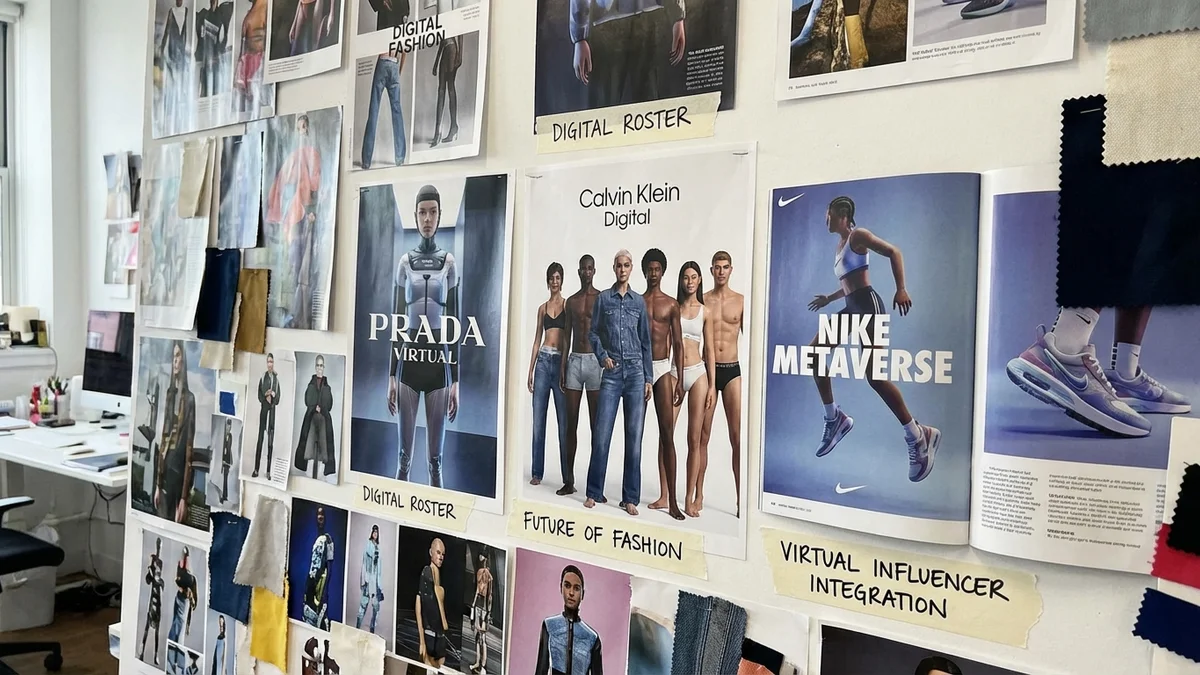
- Prada partnered with Lil Miquela for their Fall 2018 collection and continues to use virtual influencers
- Calvin Klein featured Lil Miquela in a landmark campaign alongside real model Bella Hadid
- Dior collaborated with virtual influencer Noonoouri, who has 360,000+ Instagram followers
- Nike uses AI-generated models to display products across multiple body types
- Zara employs virtual models for rapid product visualization in online catalogs
- Balmain created a virtual army of digital models for their campaigns
- H&M integrates AI models into their marketing strategy for inclusivity
- Tommy Hilfiger uses 3D design and virtual sampling to cut physical prototypes by 65%
These brands demonstrate that virtual models work across both luxury and fast fashion segments.
Key Takeaway: From Prada to Zara, leading fashion brands use virtual models for marketing campaigns, product pages, and inclusive representation.
How Virtual Models Help Shoppers
Virtual model technology is not just for brands. As a shopper, you can benefit directly from this technology through virtual try-on tools.
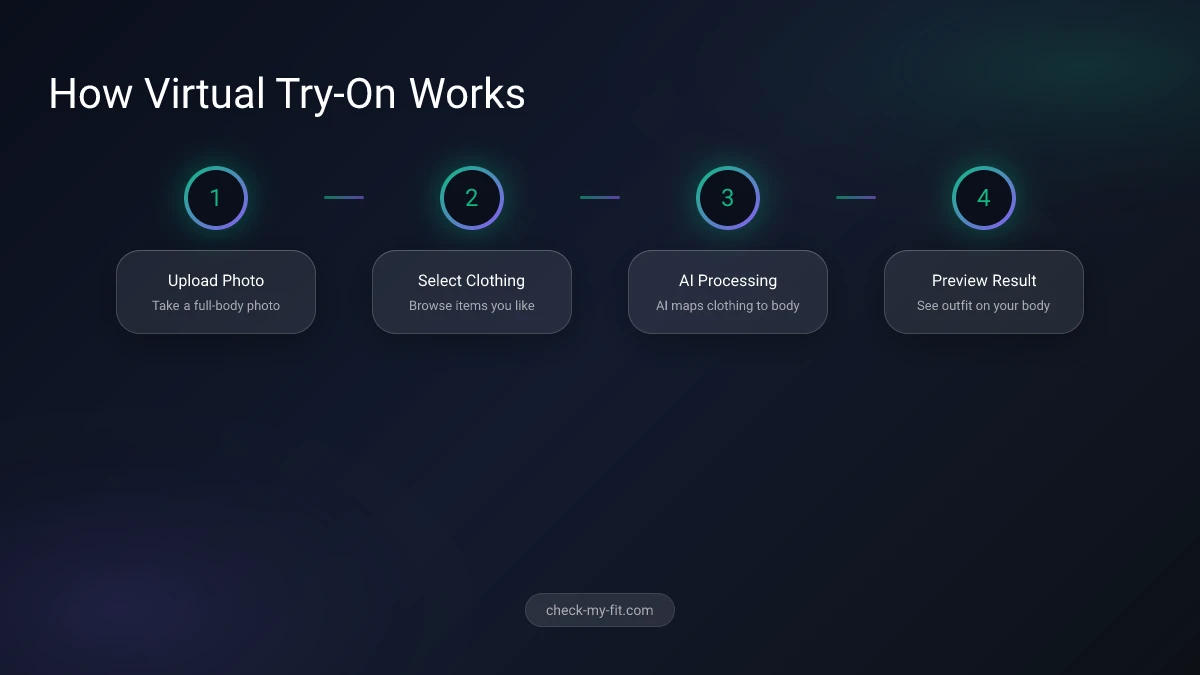
Here is how it works for consumers:
- Upload your photo to a virtual try-on platform like CheckMyFit
- Browse clothing items you want to visualize
- See the outfit on your body with AI-powered rendering
- Compare multiple options before making a purchase decision
This eliminates the guesswork of online shopping. Instead of wondering whether a dress will flatter your body type, you see a realistic preview on your own figure.
62% of online shoppers struggle to find clothes that fit, and virtual try-on tools reduce return rates by up to 40%.
Tools like CheckMyFit bring virtual model technology directly to consumers. You upload a photo, select any garment, and the AI generates a realistic preview of how it looks on you. No more size chart guessing or disappointing deliveries.
Key Takeaway: Virtual try-on tools powered by virtual model technology let shoppers preview clothing on their own body before purchasing, reducing returns and improving satisfaction.
Virtual Model Statistics and Market Trends 2026
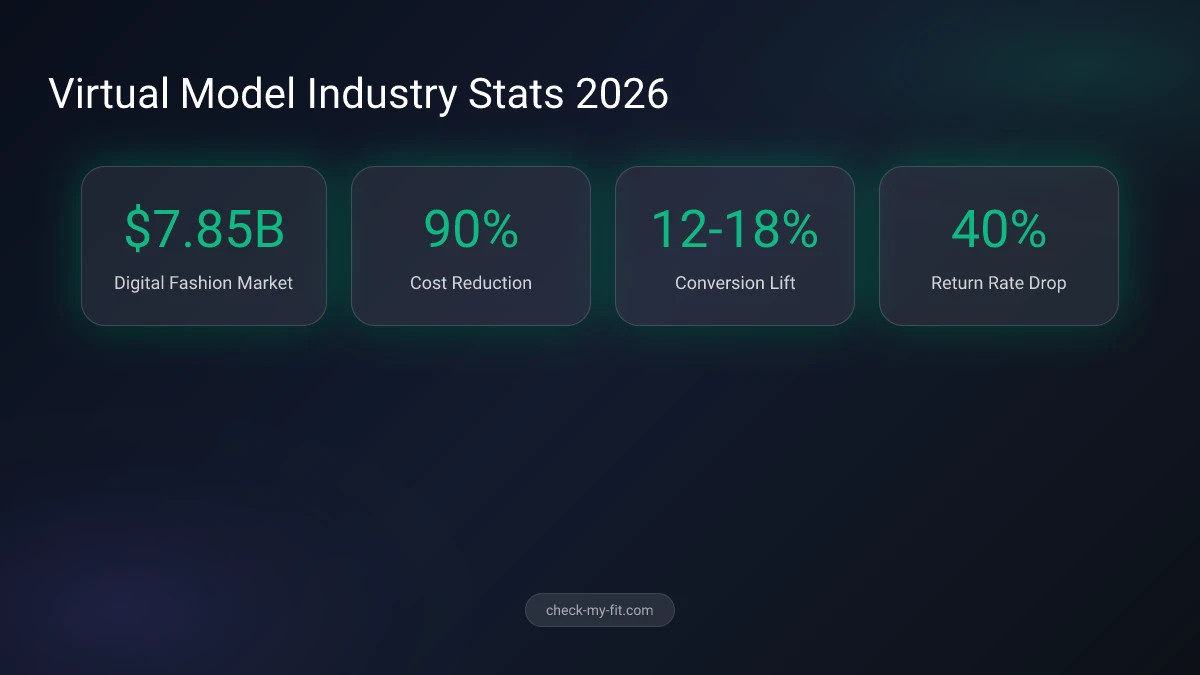
The virtual model industry is growing rapidly. Here are the key numbers driving this trend.
| Metric | Value | Source Year |
|---|---|---|
| Digital fashion market size | $7.85 billion | 2026 projection |
| AI fashion model market | $1.47 billion growing to $5B | 2025-2035 |
| Virtual try-on influence | $120 billion in purchases | 2025 |
| Virtual fitting room market | $3.42 billion | 2025 |
| Marketing engagement increase | 39% with CGI models | 2025 |
| Physical prototype reduction | 65% fewer with digital tools | 2025 |
| Cost reduction for brands | Up to 90% | 2025 |
| Conversion rate increase | 12-18% with virtual try-on | 2025 |
These numbers show that virtual models are not a passing trend. They represent a fundamental shift in how fashion content is created and consumed.
How to Get Started with Virtual Models
Whether you are a brand or a consumer, getting started with virtual model technology is straightforward.
For Brands and Ecommerce Sellers
- Choose your platform: Select an AI fashion model generator (Photoroom, Botika, FASHN.AI, or WeShop AI)
- Upload product images: Flat lays or mannequin shots work best
- Select model parameters: Body type, skin tone, pose, and background
- Generate and review: AI produces images in minutes
- Publish to your store: Use images for product pages, social media, and ads
For Shoppers
- Visit a virtual try-on tool: Try CheckMyFit for free
- Upload a photo of yourself: Full-body photo works best
- Browse clothing items: Select garments you want to preview
- See the results: AI shows how clothes look on your body
- Shop with confidence: Make informed purchasing decisions
Popular virtual model platforms include:
| Platform | Best For | Starting Price |
|---|---|---|
| Photoroom | Product photography | Free tier available |
| Botika | High-volume ecommerce | Subscription-based |
| FASHN.AI | Virtual try-on integration | API pricing |
| CheckMyFit | Consumer virtual try-on | Free |
| WeShop AI | AI model generation | Per-image pricing |
Recommended Products for Virtual Model Photography
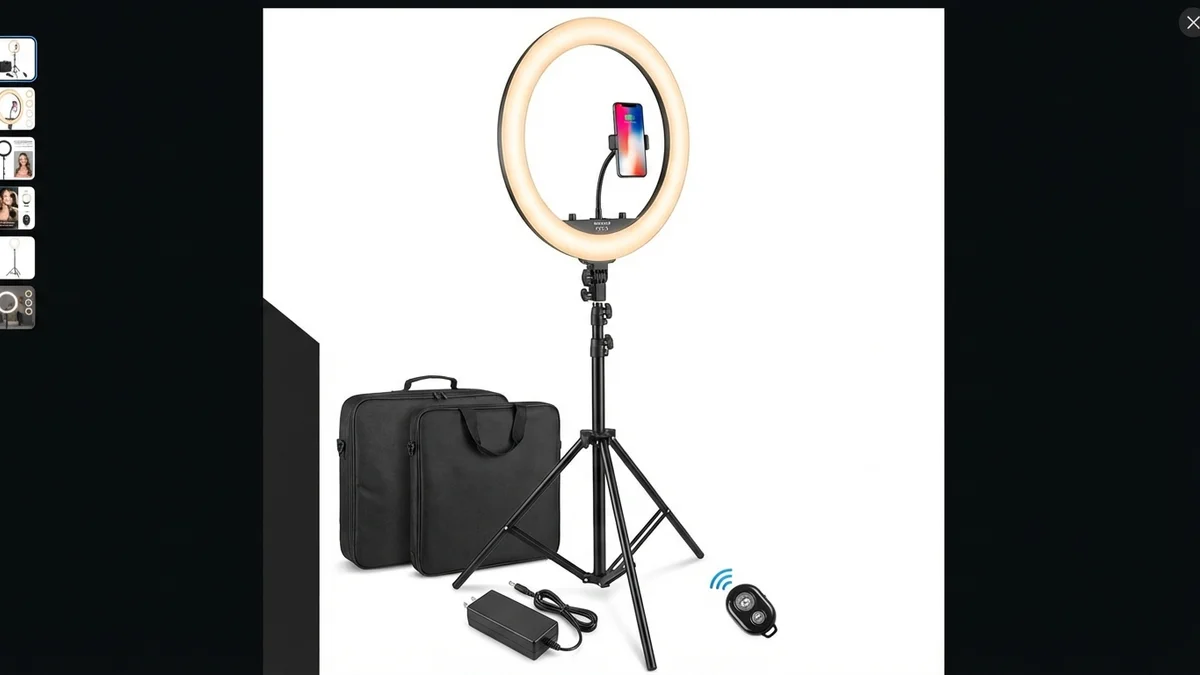
Professional lighting is essential for capturing product photos that AI virtual model generators can work with. This ring light provides even, flattering illumination for flat lays and mannequin shots.
View on Amazon →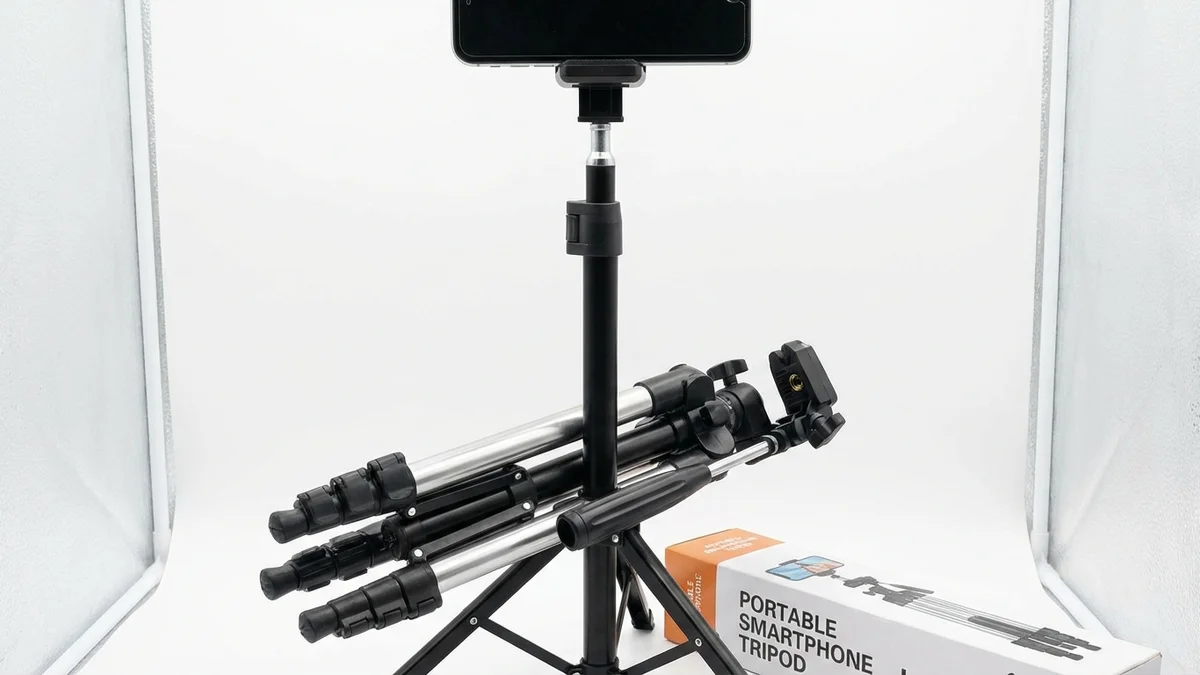
Take consistent, stable photos for virtual try-on uploads or product photography. This adjustable tripod works with any smartphone and ensures sharp images every time.
View on Amazon →
A full-length mirror helps you take accurate body photos for virtual try-on tools. The arched design adds a stylish touch to any room while serving as your personal fitting room companion.
View on Amazon →Frequently Asked Questions
Can virtual models replace real models completely?
Virtual models cannot fully replace real models in 2026. They excel at high-volume product photography and ecommerce catalogs where consistency and speed matter most. However, real models remain essential for emotional brand campaigns, runway shows, and content that requires genuine human connection and spontaneity.
How much does it cost to create a virtual model?
Creating a virtual model ranges from free to thousands of dollars depending on complexity. AI-generated models cost $1-10 per image through platforms like Photoroom or Botika. Custom CGI models built by 3D artists can cost $5,000-50,000 for a fully rigged digital human with unique features and animations.
What brands use virtual models for fashion?
Major fashion brands using virtual models include Prada, Calvin Klein, Dior, Nike, Zara, Balmain, H&M, and Tommy Hilfiger. These brands use virtual influencers for marketing campaigns and AI-generated models for product photography. The trend spans both luxury and fast fashion segments.
Are virtual models ethical?
Virtual models raise ethical questions about job displacement for real models and photographers, unrealistic beauty standards, and transparency with consumers. Best practices include disclosing when images use AI-generated models, maintaining diversity in digital representations, and supporting human creative professionals alongside AI tools.
Can I try on clothes using a virtual model?
Yes. Virtual try-on tools like CheckMyFit let you upload your own photo and see how clothing items look on your body. The AI generates a realistic preview showing fit, drape, and style. This technology helps you shop with confidence and reduces the chance of ordering clothes that do not fit.
How are virtual models created?
Virtual models are created through two main methods. CGI models are handcrafted by 3D artists using software like Blender or Maya, giving maximum control over every detail. AI-generated models use machine learning algorithms trained on millions of fashion images to automatically create realistic digital humans and apply clothing to them.
Do virtual models improve online sales?
Yes. Studies show that virtual model technology increases conversion rates by 12-18% and reduces return rates by up to 40%. Shoppers feel more confident purchasing when they can see clothing on a body similar to their own, leading to higher satisfaction and fewer returns.
What is the future of virtual models in fashion?
By 2030, virtual models will likely become the standard for ecommerce product photography. Advances in generative AI will make them indistinguishable from real photographs. Virtual try-on will become a non-negotiable feature for online fashion retailers, and virtual influencers will play an even larger role in social media marketing.
Conclusion
Virtual models represent one of the most significant shifts in fashion technology. From reducing production costs by 90% to enabling shoppers to try on clothes from home, this technology benefits everyone in the fashion ecosystem.
Whether you are a brand looking to scale your product imagery or a shopper tired of guessing your size online, virtual model technology has a solution. The best part? You can experience it right now.
Ready to see how clothes look on you before buying? Try CheckMyFit free and experience the power of virtual model technology for yourself.