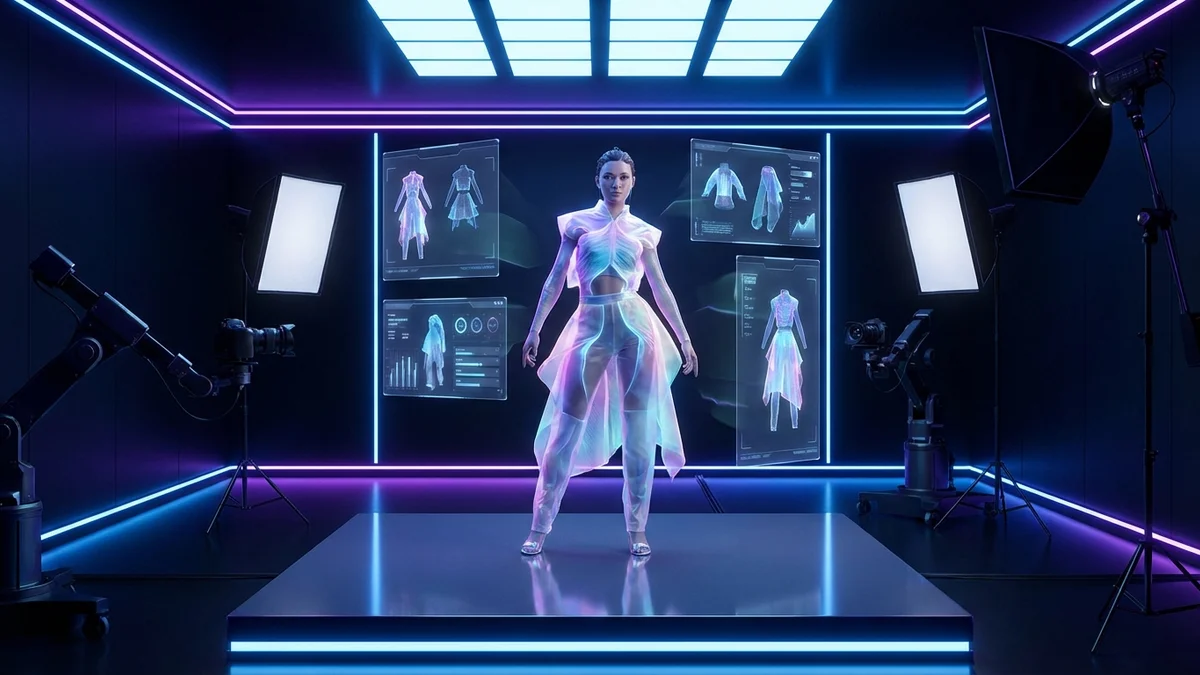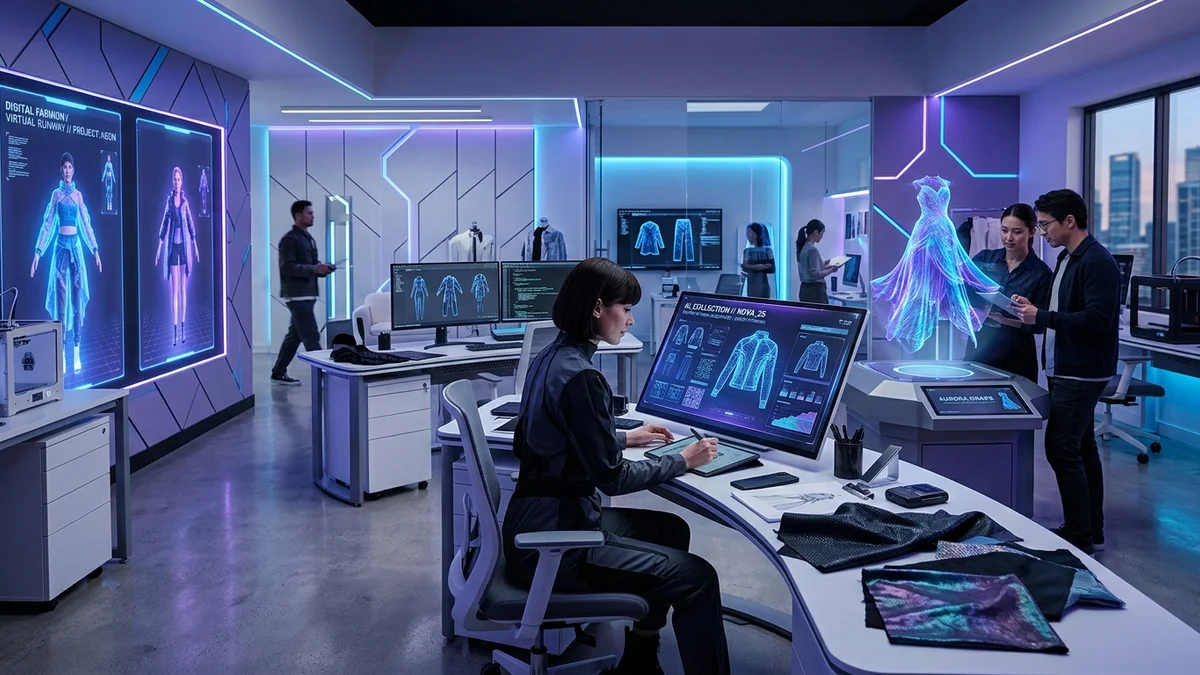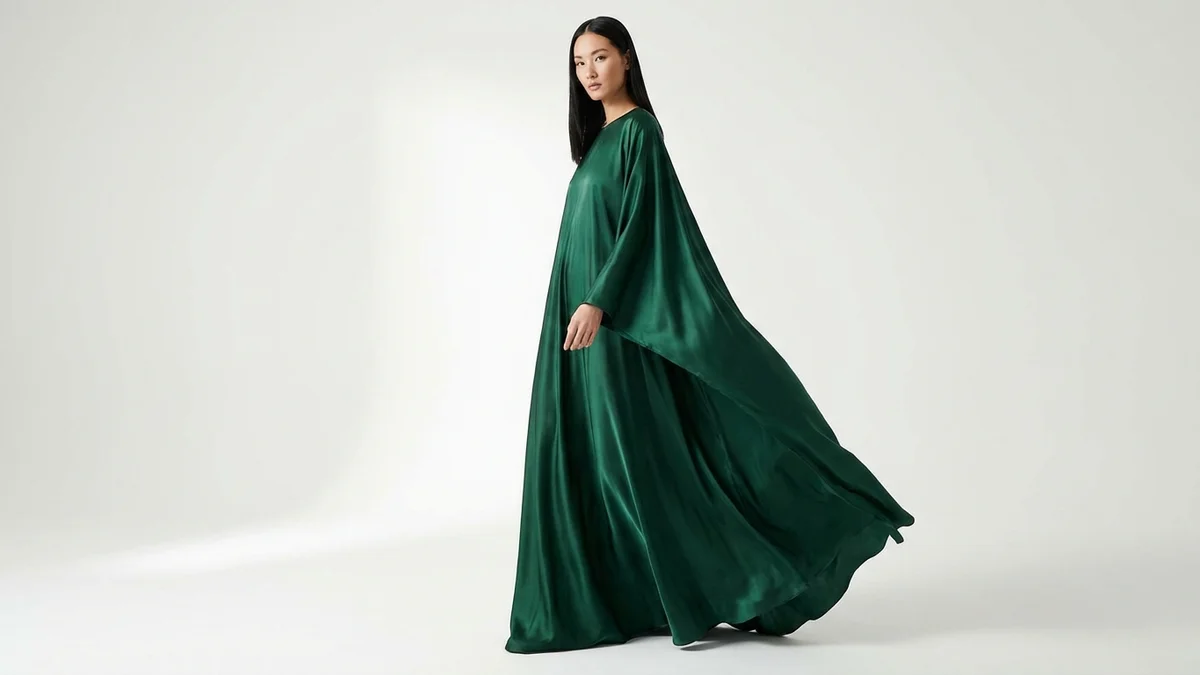

The fashion industry is undergoing its biggest transformation since the invention of the sewing machine. AI clothing brands are reshaping how clothes get designed, produced, marketed, and sold. Whether you want to launch your own AI-powered fashion label or simply understand how your favorite brands use artificial intelligence, this guide covers everything you need to know.
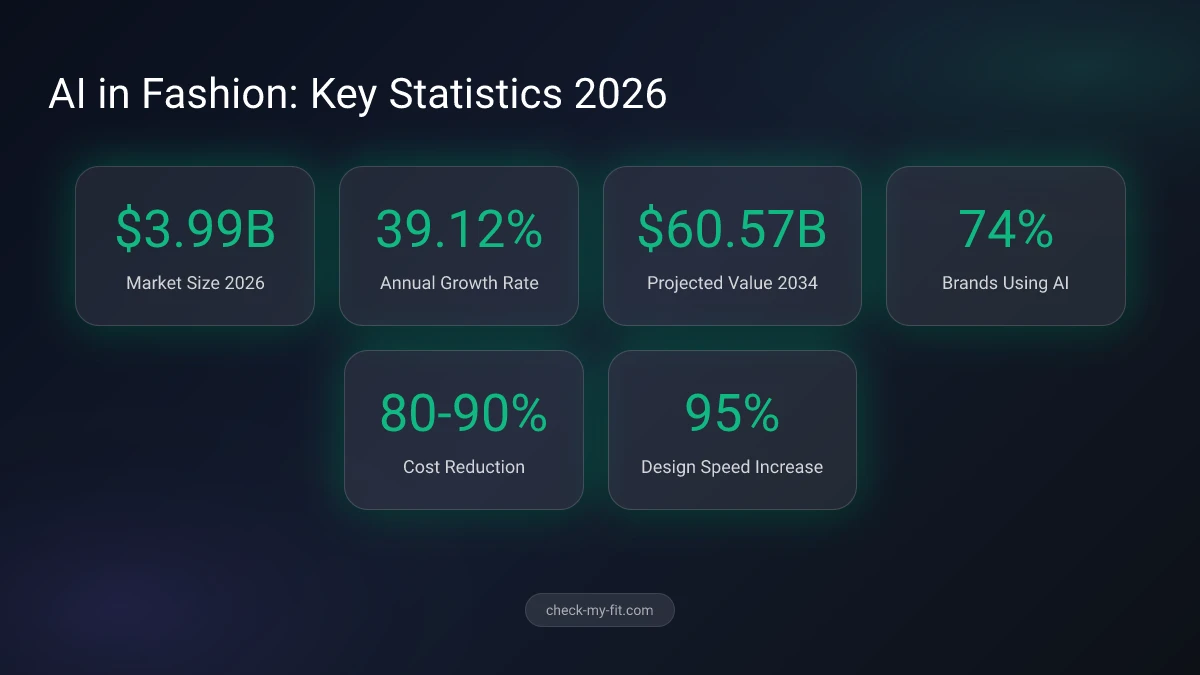
In 2026, the AI in fashion market reached $3.99 billion and is growing at nearly 40% annually. Major brands like Nike, Zara, and H&M already use AI across their entire operations. Smaller startups are launching AI fashion design collections with zero traditional manufacturing experience.
The AI in fashion market is projected to grow from $3.14 billion in 2025 to over $60 billion by 2034, at a CAGR of 39.12%.
This guide walks you through what AI clothing brands are, how they work, which tools they use, and how you can get started.
TL;DR
AI clothing brands use artificial intelligence for design, production, marketing, and virtual try-on. The market hit $3.99 billion in 2026 with 39% annual growth. Major brands like Nike and Zara use AI to cut costs by up to 90%. Tools like generative AI design platforms and virtual try-on technology make it possible for anyone to launch an AI-powered fashion brand today.
What Is an AI Clothing Brand?
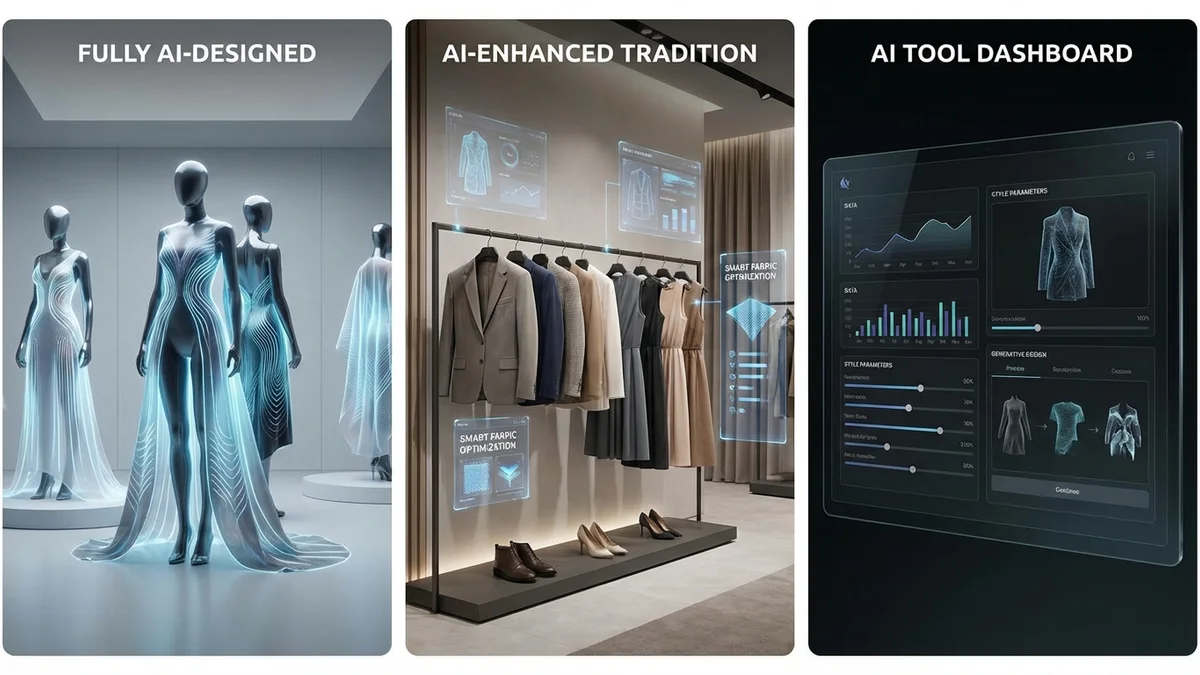
An AI clothing brand is a fashion company that uses artificial intelligence technology in one or more stages of its business. This ranges from AI-generated designs and trend forecasting to virtual try-on experiences and automated customer service. Some brands are fully AI-native, while others integrate AI tools into traditional fashion operations.
There are three main categories of AI clothing brands:
| Category | Description | Examples |
|---|---|---|
| AI-Native Brands | Built entirely on AI from design to delivery | The New Black, Cap_able, aiClothing |
| AI-Enhanced Brands | Traditional brands adding AI capabilities | Nike, Zara, H&M, Gucci |
| AI Tool Providers | Companies building AI tools for fashion brands | FASHN.ai, Botika, Heuritech |
AI-native brands create entire collections using generative AI. Designers input text prompts or rough sketches, and AI generates production-ready designs. Cap_able even creates clothes with AI-woven patterns that confuse surveillance cameras, protecting wearer privacy.
AI-enhanced brands use technology to improve existing processes. Nike's AI system analyzes customer data to predict demand. Zara uses machine learning to optimize inventory across 3,000+ stores worldwide.
AI tool providers build the technology that powers both categories above. These companies offer everything from virtual try-on technology to automated product photography.
Key Takeaway: An AI clothing brand leverages artificial intelligence at any stage of the fashion value chain, from initial design concepts to final customer delivery.
How Do AI Clothing Brands Work?
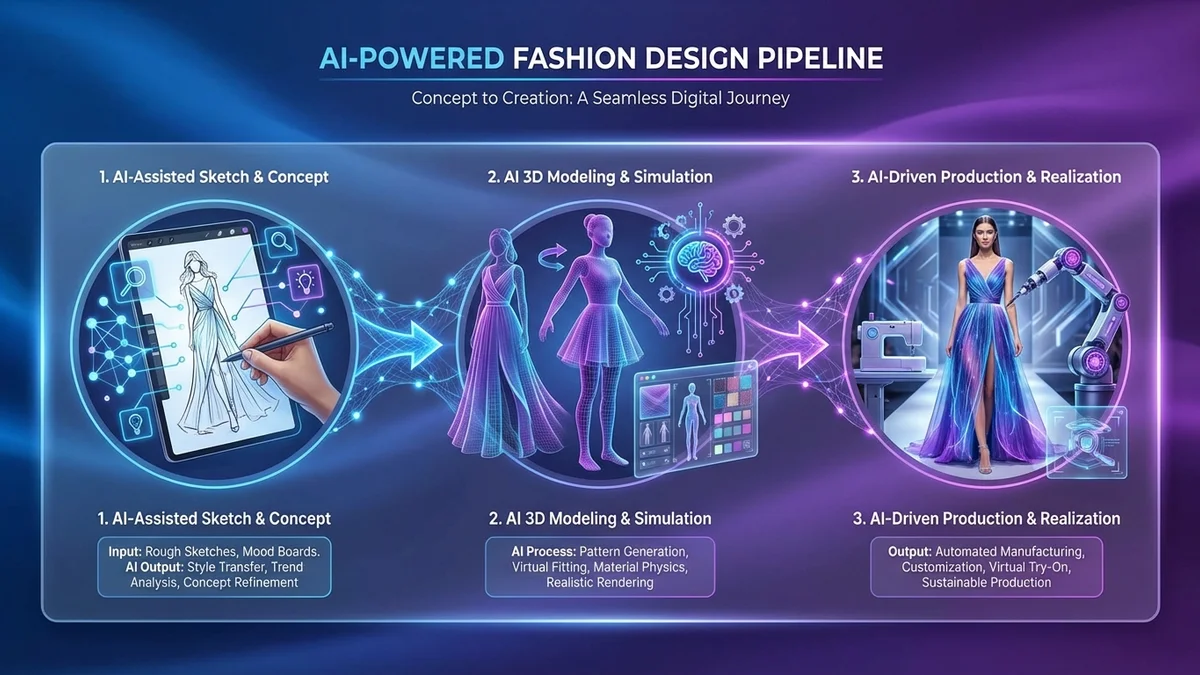
AI clothing brands work by integrating machine learning, computer vision, and generative AI into the fashion pipeline. The process typically involves five core stages that replace or enhance traditional methods.
Here is how the typical AI fashion workflow operates:
1. AI-Powered Design
Generative AI tools turn text descriptions, mood boards, or rough sketches into detailed clothing designs. Platforms like The New Black and NewArc.ai let designers generate hundreds of variations in minutes. The German fashion platform Zalando created 40,424 designs in its first month using AI.
2. Trend Forecasting
AI analyzes millions of social media images, runway photos, and purchase data to predict upcoming trends. Heuritech processes over 3 million social media images daily to detect emerging styles. This helps brands produce what customers actually want, reducing waste.
3. Virtual Prototyping
3D simulation tools like CLO 3D and Style3D create digital garment samples. Brands can test fit, drape, and movement without producing physical prototypes. This cuts sample production costs by up to 80%.
4. AI-Driven Production
Smart manufacturing uses AI for quality control, demand forecasting, and supply chain optimization. Computer vision systems inspect fabric quality in real-time. Predictive algorithms tell factories exactly how many units to produce.
5. Virtual Try-On and Sales
AI try-on technology lets customers see how clothes look on them before buying. Brands like Zara now offer AI-powered virtual fitting rooms where shoppers create realistic 3D avatars to try multiple outfits. This technology reduces return rates significantly.
| Stage | Traditional Method | AI Method | Time Saved |
|---|---|---|---|
| Design | Hand sketching (weeks) | AI generation (minutes) | 95% |
| Sampling | Physical prototypes ($500+) | 3D simulation ($0-50) | 90% |
| Forecasting | Trend reports (quarterly) | Real-time AI analysis | 80% |
| Photography | Studio shoots ($2,000+) | AI product images ($20) | 99% |
| Customer Fit | Size charts only | Virtual try-on | N/A |
Key Takeaway: AI compresses the entire fashion cycle from months to days while cutting costs by 80-90% at each stage.
Which Fashion Brands Use AI Technology?
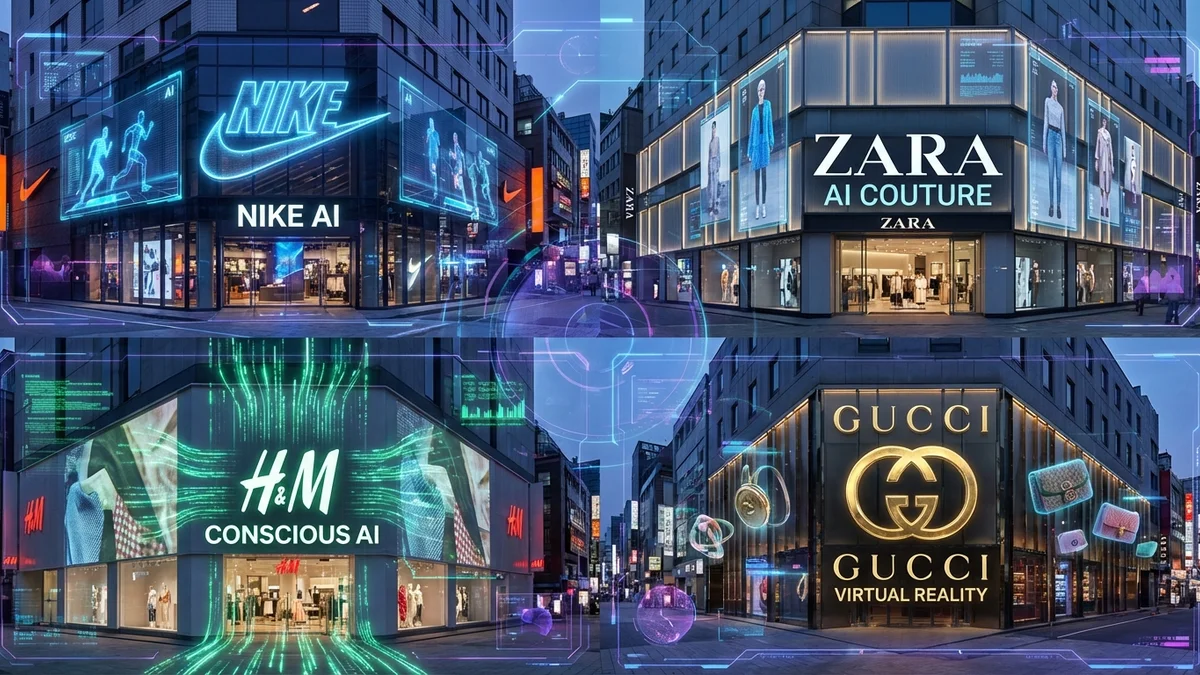
Nearly 74% of fashion companies now use AI in some capacity. Here are the most notable examples across different applications:
Design and Product Development
- Norma Kamali uses generative AI to explore new silhouettes and patterns
- Collina Strada incorporates AI-generated prints into runway collections
- Tommy Hilfiger partnered with IBM and the Fashion Institute of Technology to develop AI design tools
- Moncler uses AI to create weather-adaptive clothing concepts
Supply Chain and Inventory
- Zara uses AI to optimize inventory across 3,000+ stores, reducing overstock by 30%
- H&M Group employs machine learning for demand forecasting and inventory placement
- Nike uses predictive analytics to anticipate regional demand patterns
- Shein leverages AI to identify micro-trends and produce small test batches
Customer Experience
- Ralph Lauren launched "Ask Ralph," an AI shopping assistant that creates personalized outfit suggestions
- Gucci uses AR for virtual shoe try-ons in its mobile app
- ASOS offers AI-powered style recommendations and visual search
- Stitch Fix built its entire business model around AI-curated personal styling
Marketing and Retail Innovation
- Burberry uses AI for personalized marketing campaigns and customer analytics
- Balenciaga pioneered AR runway shows using Apple Vision Pro
- Dior employs AI for virtual styling experiences in stores
- Stella McCartney uses AI to track sustainability metrics across her supply chain
According to McKinsey, generative AI could add $150 to $275 billion to the fashion industry's operating profits in the next 3-5 years.
Emerging AI-Native Fashion Brands
| Brand | Focus | What Makes Them Unique |
|---|---|---|
| The New Black | AI design platform | 500,000+ users, text-to-design |
| Cap_able | Privacy clothing | AI-woven anti-surveillance patterns |
| DressX | Digital fashion | AI-generated virtual clothing |
| Lil Miquela | Virtual influencer | AI-generated model with 3M followers |
| Resonance | On-demand fashion | AI-optimized zero-waste production |
Key Takeaway: Every major fashion brand now uses AI in some form. The competitive advantage lies in how deeply and creatively companies integrate these technologies.
Best AI Tools for Fashion Brands in 2026
Choosing the right AI tools depends on your brand's size, budget, and needs. Here is a comparison of the top tools across categories:
Design and Prototyping Tools
| Tool | Best For | Starting Price | Key Feature |
|---|---|---|---|
| The New Black | Beginners | $8/month | Text-to-design, 500K+ users |
| NewArc.ai | Sketch-to-image | Free tier | Converts sketches to production visuals |
| CLO 3D | 3D simulation | $50/month | Industry-standard garment simulation |
| Style3D | Affordable 3D | $30/month | Budget alternative to CLO 3D |
| Yoona.ai | Sustainable design | Custom pricing | AI + sustainability-focused |
Virtual Try-On and Model Generation
Virtual try-on is one of the most impactful AI technologies for fashion. It lets customers see exactly how clothes look on their body shape before purchasing. This dramatically reduces returns and increases buyer confidence.
Platforms in this space include WearView, VModel.AI, and AI clothes changer tools that transform product photos into on-model imagery.
Trend Forecasting and Analytics
Heuritech leads enterprise trend forecasting, analyzing 3 million social media images daily with 90% forecast accuracy. It starts at €12,000+ per year, making it suited for established brands.
For smaller brands, free AI tools like Google Trends combined with ChatGPT-based analysis can provide basic trend insights at no cost.
Product Photography
AI-powered clothing photo editing tools eliminate the need for expensive studio shoots. Platforms like Botika and PhotoRoom generate professional product images for a fraction of traditional photography costs.
Brands report 80-90% cost reduction and doubled conversion rates when using AI product photography tools.
Key Takeaway: Start with affordable tools like The New Black ($8/month) for design and free virtual try-on demos before investing in enterprise solutions.
How to Start an AI Clothing Brand Step by Step
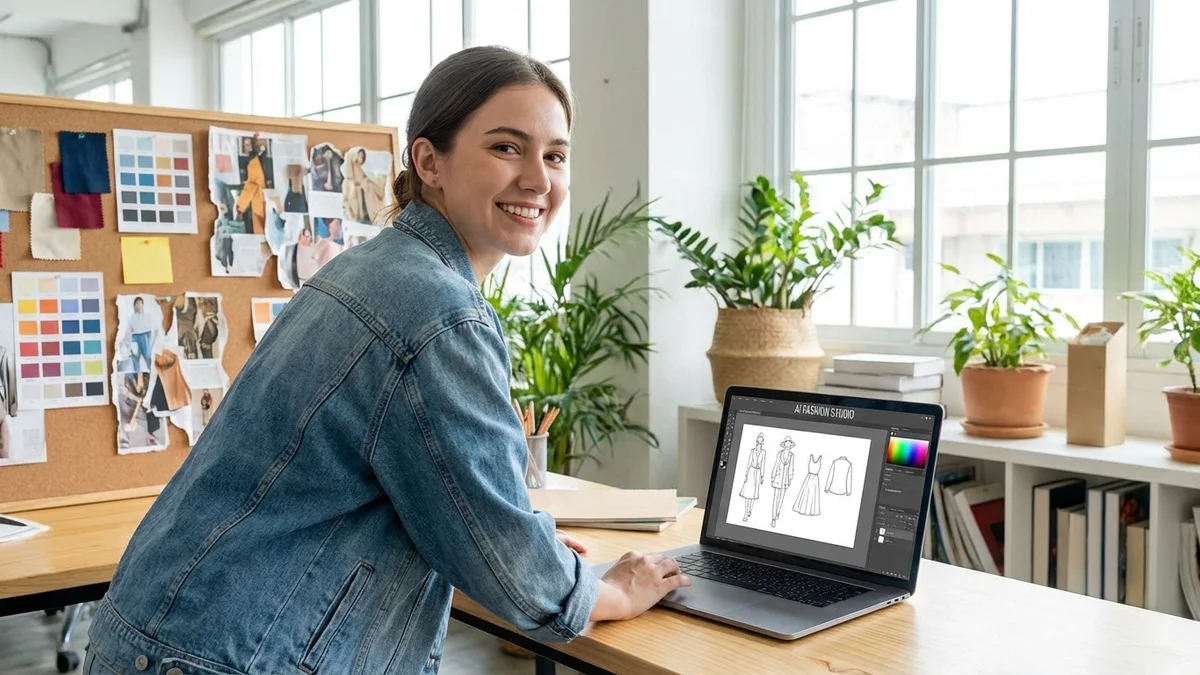
Starting an AI clothing brand is more accessible than ever. Here is a realistic step-by-step process:
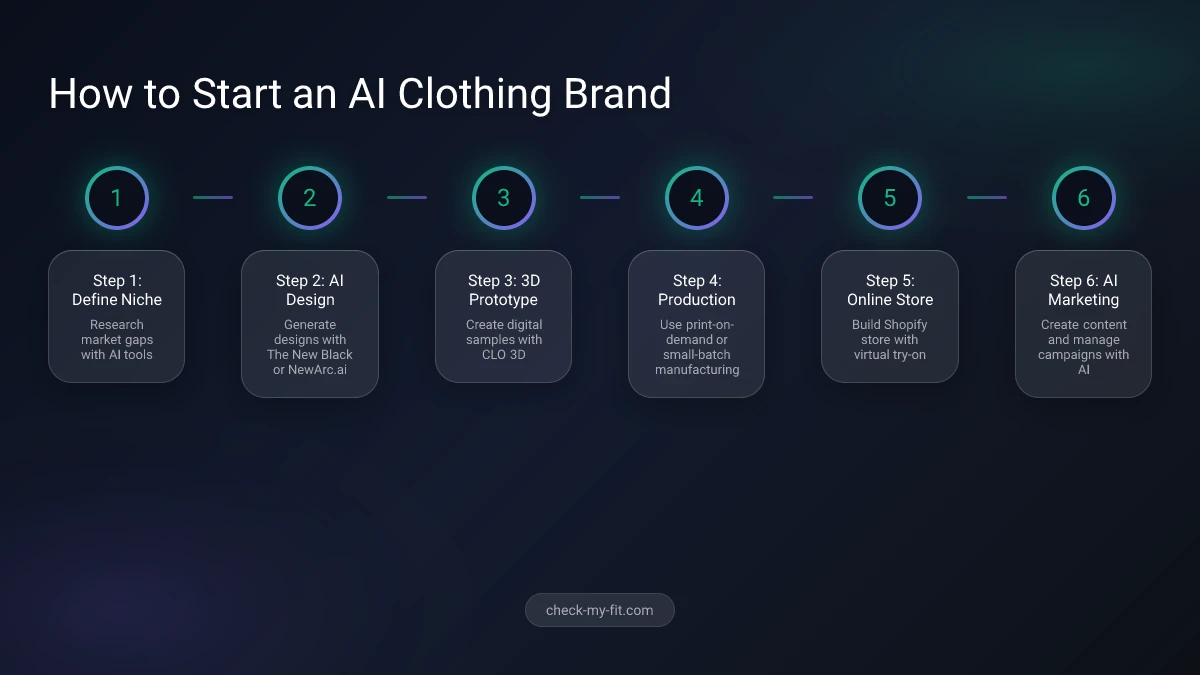
Step 1: Define Your Niche and Brand Identity
Use AI tools like ChatGPT to research market gaps. Analyze competitor offerings, customer demographics, and emerging trends. Focus on a specific niche rather than trying to compete broadly.
Popular AI fashion niches:
- Sustainable AI-designed clothing
- AI-personalized basics and essentials
- AI-generated graphic tees and prints
- Smart clothing with AI-embedded technology
- Digital-only fashion for virtual worlds
Step 2: Create Designs with AI
Start with platforms like The New Black or NewArc.ai. Input text descriptions, reference images, or rough sketches. Generate dozens of design variations and refine your favorites.
Pro tip: Use AI for initial ideation but always add human creative direction. The most successful AI brands combine algorithmic output with distinctive artistic vision.
Step 3: Prototype Digitally
Use CLO 3D or Style3D to create 3D prototypes. Test fabric drape, color accuracy, and fit without producing physical samples. This saves thousands of dollars in sample costs.
Step 4: Source Production
Choose between print-on-demand (lowest risk) or small-batch manufacturing. Print-on-demand services handle production and shipping, so you carry zero inventory. For higher quality, find manufacturers through platforms like Alibaba or Maker's Row.
Step 5: Build Your Online Store
Set up a Shopify or WooCommerce store. Integrate virtual try-on technology so customers can visualize products before buying. Use AI-generated product photos for your catalog.
Step 6: Market with AI
Use AI for content creation, social media management, and email personalization. AI tools can generate product descriptions, create marketing images, and even manage customer service chatbots.
Estimated Startup Costs
| Item | Budget Option | Standard Option |
|---|---|---|
| AI Design Tools | $8-30/month | $50-100/month |
| 3D Prototyping | $0 (free trials) | $50/month |
| E-commerce Store | $29/month (Shopify) | $79/month |
| Print-on-Demand | $0 (per-order) | N/A |
| Marketing | $100/month | $500/month |
| Total Monthly | $137/month | $729/month |
Key Takeaway: You can launch an AI clothing brand for under $150 per month using print-on-demand and affordable AI design tools.
How CheckMyFit Brings AI Fashion to Shoppers
While brands build AI-powered fashion from the business side, consumers also benefit from artificial intelligence clothes technology. Virtual try-on tools bridge the gap between browsing online and knowing how clothes actually look on you.
CheckMyFit lets anyone upload their photo and virtually try on different outfits. Whether you are shopping from an AI clothing brand or a traditional retailer, you can see exactly how garments fit your body shape before purchasing.
This solves the biggest problem in online fashion: 62% of shoppers struggle to visualize how clothes will look on them. Virtual try-on reduces this uncertainty, lowers return rates, and increases purchase confidence.
How to use CheckMyFit:
- Visit check-my-fit.com
- Upload your photo
- Select clothing items to try on
- See AI-generated previews instantly
For AI clothing brands, integrating virtual try-on technology is no longer optional. It is the standard customer experience that shoppers expect in 2026.
Recommended Products for AI Fashion Entrepreneurs
Starting an AI clothing brand requires some essential physical tools alongside your digital setup. Here are our top picks:
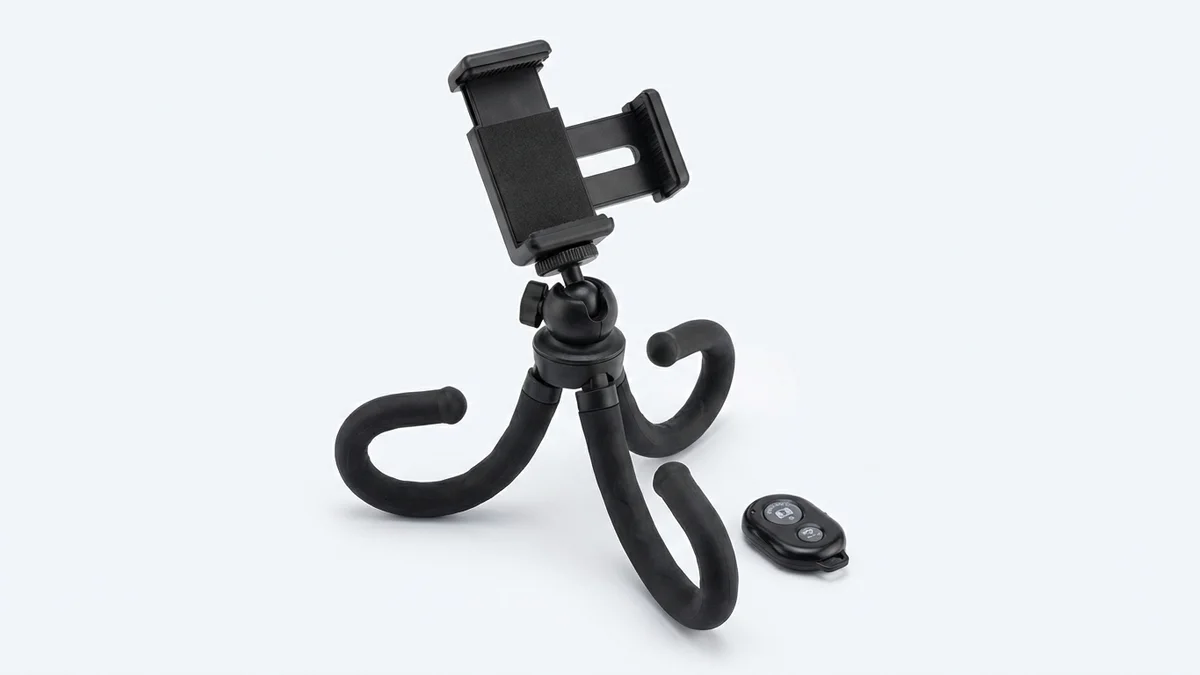
Essential for shooting virtual try-on content and product photos. The flexible legs and Bluetooth remote make solo content creation easy for fashion entrepreneurs.
View on Amazon →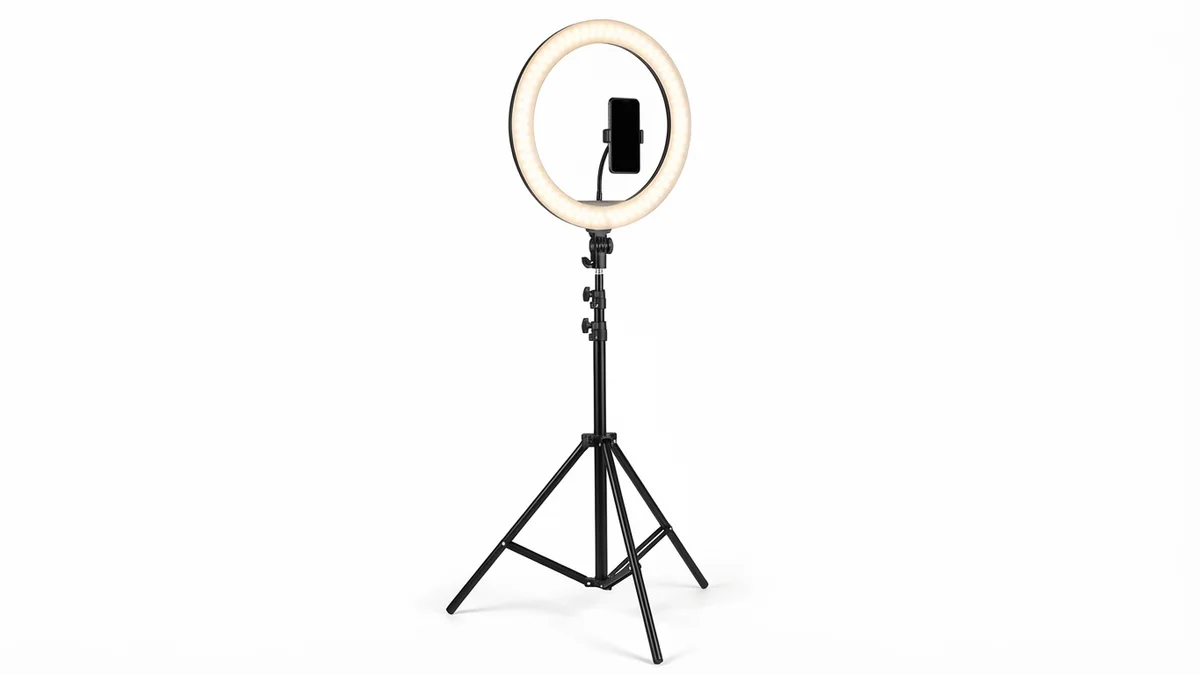
Professional lighting transforms AI-generated product photos. This ring light provides even, shadow-free illumination perfect for clothing photography and virtual try-on demos.
View on Amazon →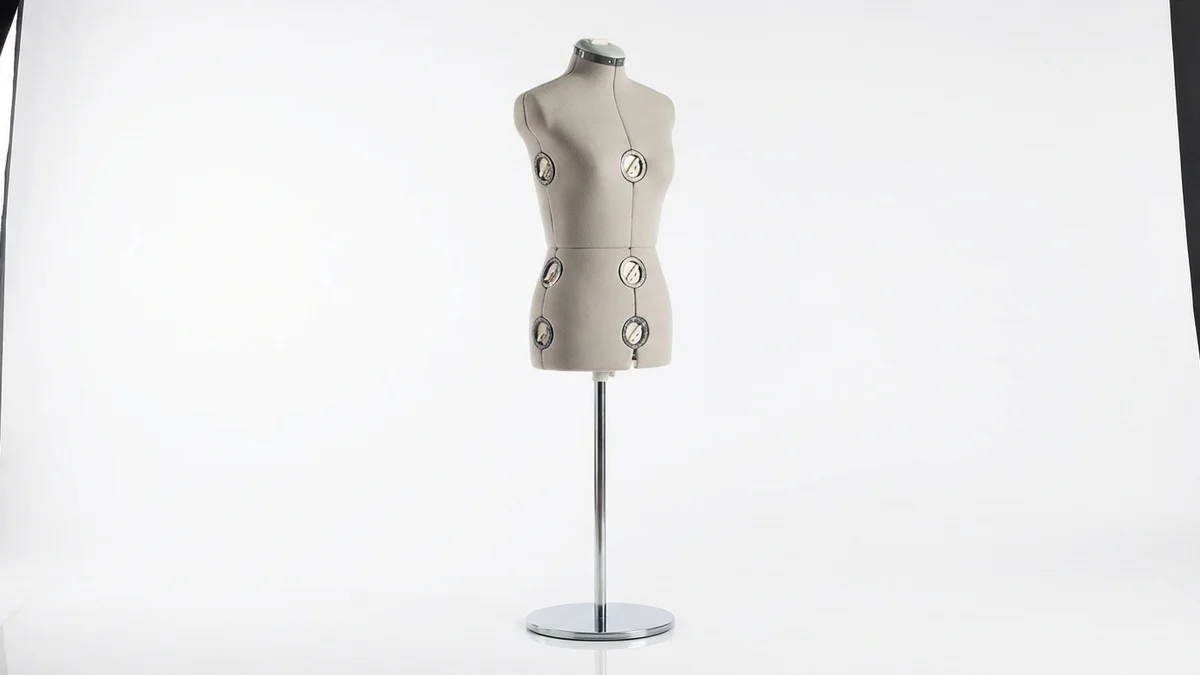
Even AI-designed clothes need physical prototyping eventually. This adjustable dress form helps you evaluate AI designs on a real form before committing to production.
View on Amazon →Benefits and Challenges of AI Clothing Brands
AI brings tremendous advantages to fashion, but it also introduces new challenges that brands must navigate carefully.
Benefits
- Speed: AI compresses design cycles from months to hours. Brands can respond to trends in real-time instead of planning seasons ahead.
- Cost Reduction: AI product photography costs 90% less than traditional shoots. Virtual prototyping eliminates thousands in sample costs.
- Personalization: Machine learning analyzes individual customer preferences to suggest perfect fits, styles, and sizes.
- Sustainability: AI-driven demand forecasting reduces overproduction. The fashion industry produces 10% of global greenhouse gas emissions, and AI helps cut this waste.
- Accessibility: Anyone can start a fashion brand with AI tools starting at $8 per month. No design degree required.
Challenges
- Quality Control: AI-generated designs sometimes lack the nuance and emotional depth of human-created fashion.
- Copyright Concerns: Legal frameworks around AI-generated designs are still evolving. Ownership of AI-created art remains debated.
- Job Displacement: Automation threatens traditional roles in design, photography, and manufacturing.
- Data Privacy: AI personalization requires collecting customer body data, raising privacy questions.
- Brand Authenticity: Over-reliance on AI can make brands feel generic if they lack a distinct creative vision.
Key Takeaway: AI amplifies human creativity rather than replacing it. The most successful AI clothing brands use technology as a tool while maintaining a strong human-led brand identity.
Frequently Asked Questions
Can AI Design Clothes From Scratch?
Yes, AI can generate complete clothing designs from text prompts alone. Tools like The New Black and NewArc.ai produce detailed fashion illustrations, technical drawings, and even production-ready patterns. However, the best results come from combining AI generation with human creative direction to ensure designs feel unique and on-brand.
How Much Does It Cost to Start an AI Clothing Brand?
You can start an AI clothing brand for as little as $137 per month using free design tool trials, a basic Shopify store, and print-on-demand fulfillment. A more robust setup with premium AI design tools, professional 3D prototyping software, and marketing budget runs approximately $729 per month.
Will AI Replace Fashion Designers?
AI will not replace fashion designers but will transform their role. Designers who learn to work with AI tools become significantly more productive, generating hundreds of concepts in the time it takes to sketch one. The human skills of taste, cultural understanding, and brand storytelling remain irreplaceable.
Are AI-Generated Fashion Designs Copyright-Free?
Copyright law for AI-generated content varies by jurisdiction and is still evolving. In many regions, AI-generated output without meaningful human creative input may not qualify for copyright protection. Always add substantial human creative direction to your AI designs and consult a legal professional for your specific situation.
How Does Virtual Try-On Work for Clothing Brands?
Virtual try-on uses computer vision and augmented reality to overlay digital clothing onto a customer's photo or live camera feed. The AI analyzes body proportions, skin tone, and pose to create a realistic preview of how the garment fits. Platforms like CheckMyFit make this technology accessible to both brands and individual shoppers.
Can AI Help Reduce Fashion Waste and Returns?
Absolutely. AI-powered demand forecasting helps brands produce only what customers want, reducing overstock waste by up to 30%. Virtual try-on technology reduces online returns by helping shoppers choose the right size and style before purchasing. Together, these applications address two of fashion's biggest sustainability problems.
What Are the Best AI Tools for Fashion Brands in 2026?
The top AI tools for fashion brands include The New Black for design ($8/month), CLO 3D for 3D prototyping ($50/month), Heuritech for trend forecasting (enterprise), and virtual try-on platforms for customer experience. The best choice depends on your brand's size, budget, and specific needs.
How Do AI Fashion Models Work?
AI fashion models are computer-generated human figures created to display clothing. Tools like VModel.AI and Botika generate photorealistic model images from product photos. Brands upload flat clothing images and receive on-model photos showing the garments on diverse body types, skin tones, and poses without hiring physical models.
Conclusion
AI clothing brands represent the future of fashion. From design generation and trend forecasting to virtual try-on and personalized shopping, artificial intelligence touches every aspect of the modern fashion business.
The barrier to entry has never been lower. With AI design tools starting at $8 per month and print-on-demand eliminating inventory risk, launching an AI clothing brand is now realistic for anyone with creative vision and business drive.
For shoppers, AI makes finding the right clothes easier than ever. Tools like CheckMyFit let you virtually try on any outfit from any brand, eliminating the guesswork of online shopping. Whether you are building a brand or building a wardrobe, AI is transforming how we experience fashion.
Ready to see how AI fashion works for you? Try CheckMyFit free and experience virtual try-on technology today.