Fitting Mannequin: Ultimate Guide to Dress Forms 2026
A fitting mannequin is the most important tool in any sewing room. Whether you design clothes professionally or alter garments at home, a quality dress form saves hours of fitting time and produces better results than fitting on yourself alone.
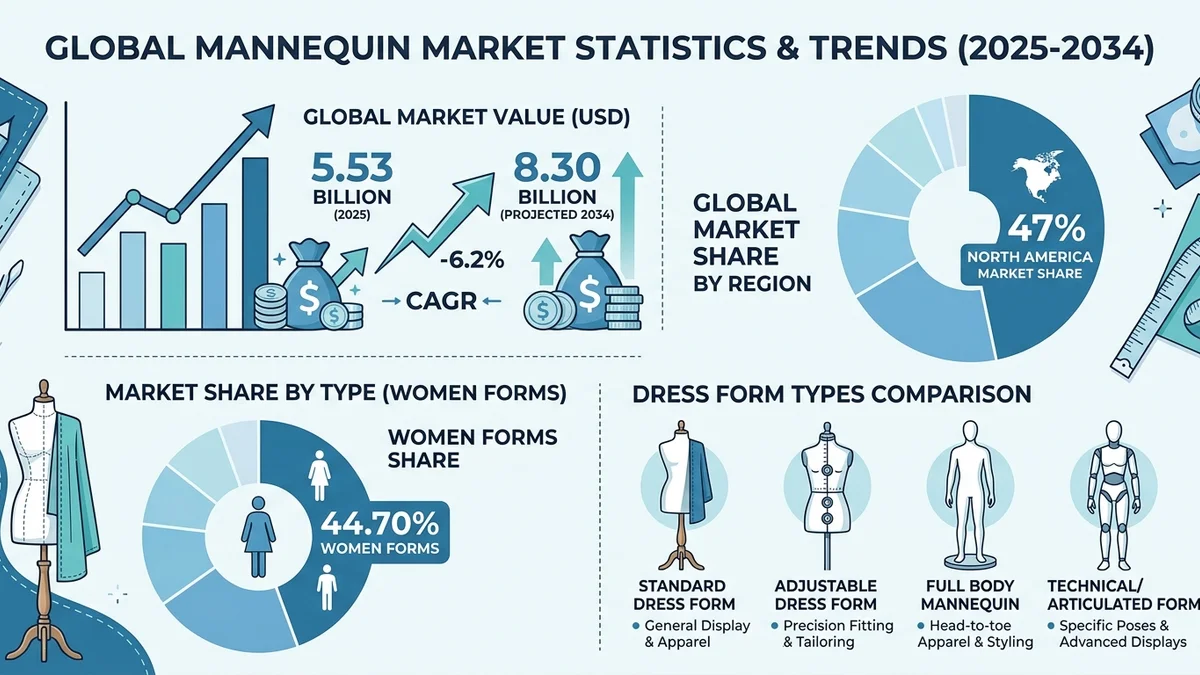
The global mannequin market reached $5.53 billion in 2025 and is projected to hit $8.30 billion by 2034. This growth reflects how essential these tools remain for fashion professionals and hobbyists alike. This guide covers everything you need to know about fitting mannequins, from choosing the right type to modern virtual alternatives.
At a Glance
A fitting mannequin (or dress form) is a torso-shaped tool used for draping, pinning, and tailoring garments. Available in adjustable and fixed sizes, dress forms let you work on clothing without wearing it yourself. Modern AI virtual try-on tools now offer digital alternatives for visualizing fit and style before purchasing.
What Is a Fitting Mannequin?
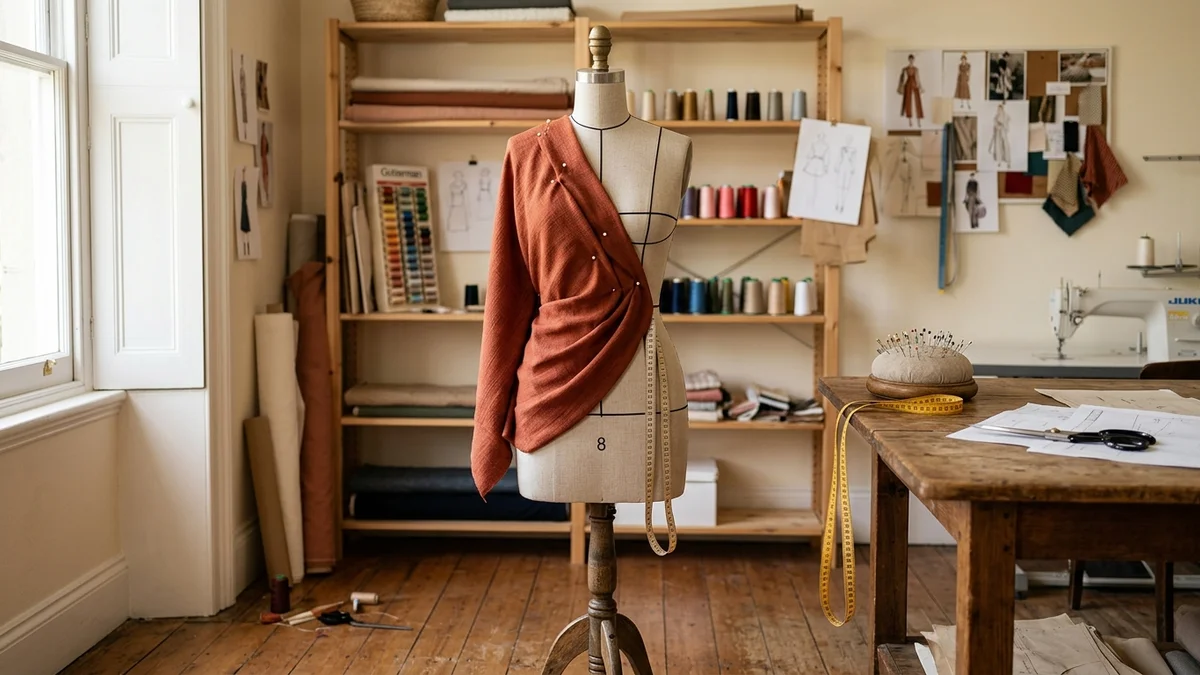
A fitting mannequin is a three-dimensional body replica designed specifically for garment construction and fitting. Unlike display mannequins found in retail stores, fitting mannequins feature soft, pinnable surfaces made of foam-backed fabric that allow you to drape, pin, and adjust fabric directly on the form.
The key distinction between a fitting mannequin and a display mannequin matters. Display mannequins are made from hard materials like fiberglass or plastic. They showcase finished garments in stores. Fitting mannequins (dress forms) have a sturdy interior with a foam or fabric exterior that holds pins and needles securely.
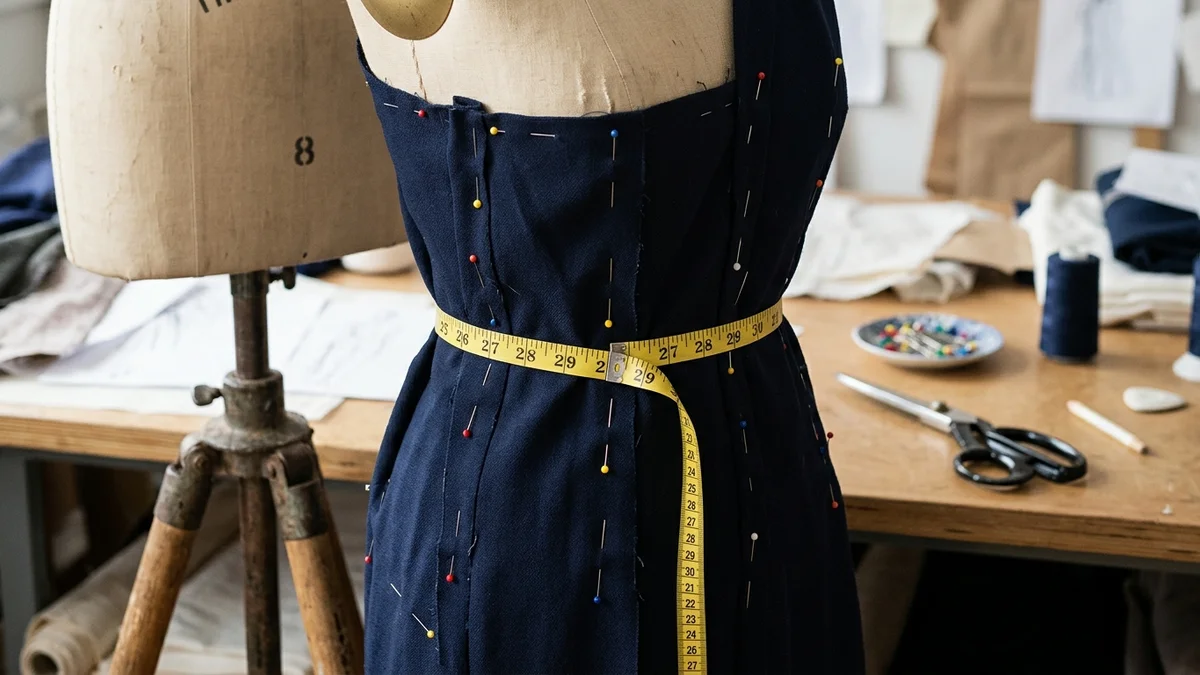
Key Takeaway: A fitting mannequin acts as your body double, letting you construct and adjust garments with professional precision without needing to try them on repeatedly.
| Feature | Fitting Mannequin (Dress Form) | Display Mannequin |
|---|---|---|
| Material | Foam-backed fabric, soft | Fiberglass, plastic, hard |
| Pinnable | Yes | No |
| Purpose | Sewing, draping, tailoring | Retail display |
| Shape | Torso only (usually) | Full body with limbs |
| Adjustable | Often yes (12-13 dials) | Fixed size |
| Price range | $50-$500 | $100-$1,000+ |
What Are the Different Types of Fitting Mannequins?
Fitting mannequins come in several categories, each designed for specific uses. Understanding these types helps you choose the right form for your projects.
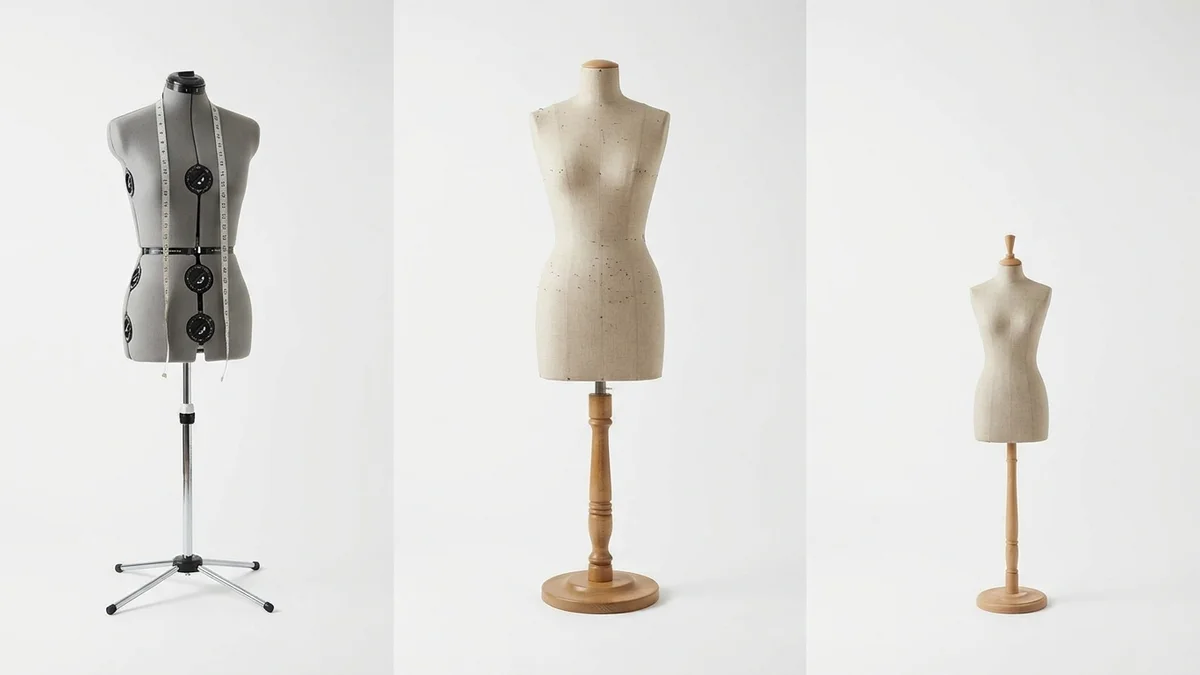
Adjustable Dress Forms
Adjustable forms feature 12-13 dials that let you modify bust, waist, and hip measurements. They work well for home sewers whose body measurements change or who sew for multiple people. Most adjustable forms cover a range of 2-3 standard sizes.
Professional (Fixed) Dress Forms
Professional forms come in a single fixed size with industry-standard proportions. Fashion designers and pattern makers prefer these because their consistent measurements produce reliable, reproducible results. Brands like PGM, Royal Dress Forms, and Wolf make professional-grade forms.
Half-Scale Dress Forms
Half-scale forms are miniature versions (typically 1:2 ratio) engineered to the same proportions as full-size forms. Pattern makers use them for initial draping and concept work. They save space and fabric during the design phase.
Custom and DIY Dress Forms
Custom forms replicate your exact body shape using 3D scanning technology or DIY sewing patterns. Companies like Ditto Form create custom mannequins from body scans. Bootstrap Fashion offers sewing patterns to make your own form using your measurements.
| Type | Best For | Price Range | Adjustable |
|---|---|---|---|
| Adjustable | Home sewers, beginners | $50-$200 | Yes |
| Professional | Designers, pattern makers | $200-$800 | No |
| Half-Scale | Concept work, small spaces | $80-$300 | Some |
| Custom/DIY | Perfect body match | $50-$1,500 | No |
How Do You Choose the Right Fitting Mannequin Size?
Choosing the correct size is the most critical step when buying a fitting mannequin. An improperly sized form leads to poorly fitting garments, wasting both time and fabric.
Start by taking three key measurements: bust, waist, and hips. Use a flexible measuring tape held snug but not tight. You should be able to fit two fingers behind the tape.
The golden rule: always size down. If your measurements fall between two dress form sizes, choose the smaller one. You can always pad a smaller form up to your exact measurements, but you cannot make a larger form smaller.
Step-by-Step Sizing Process
- Measure your bust at the fullest point
- Measure your natural waist (narrowest point)
- Measure your hips at the widest point
- Compare measurements to the manufacturer's size chart
- Select the size closest to your smallest measurement
- Plan to pad the remaining areas to match
62% of online shoppers struggle to find clothes that fit properly. A well-fitted dress form eliminates this guessing game during garment construction.
Key Takeaway: When in doubt, choose a smaller fitting mannequin. Padding a form up is simple. Shrinking one down is impossible.
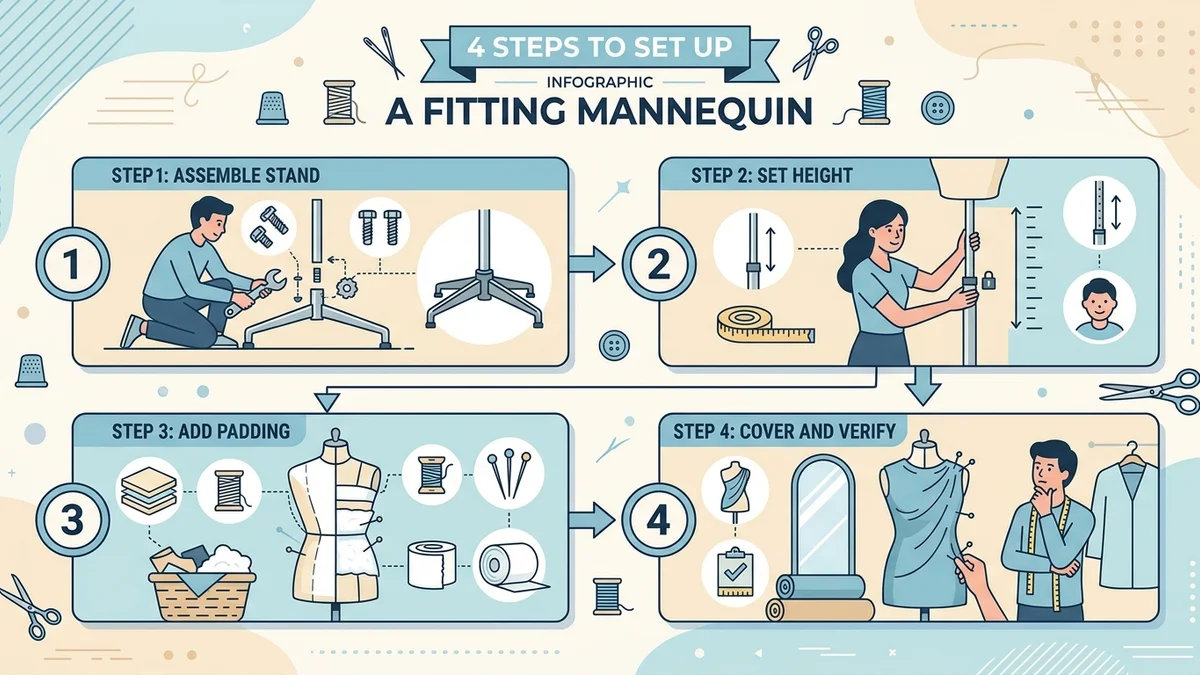
How Do You Set Up and Pad a Fitting Mannequin?
Setting up your fitting mannequin correctly determines how accurate your garments will turn out. The process involves assembly, height adjustment, and custom padding.
Assembly
Secure the stand attachment first for stability. Connect the torso using precise alignment for proper balance. If your form has a fabric cover, smooth it over the surface to prevent wrinkles that could affect garment fit.
Height Adjustment
Set the height to match your own or your client's body. The waistline of the form should align with the natural waist. Most forms sit on an adjustable pole with a tripod or round base.
Padding for a Perfect Match
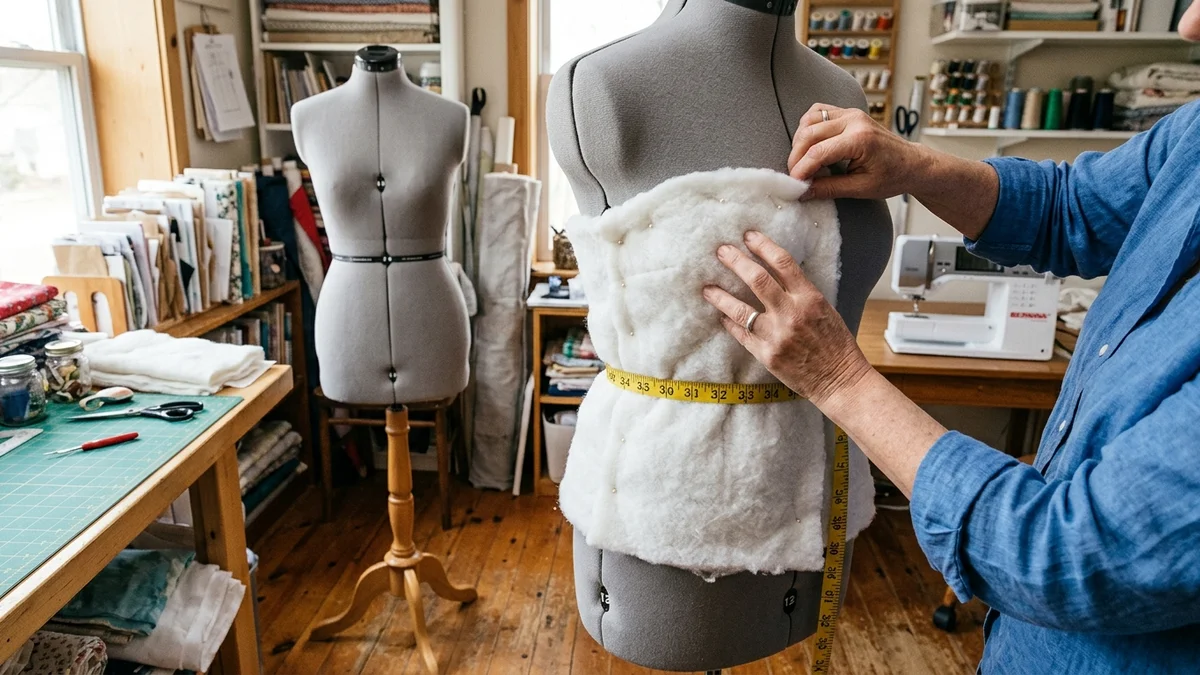
No two bodies have the same curves, so padding is essential. Here is the recommended approach:
- Put your best-fitting bra on the mannequin
- Add batting or foam at the bust, waist, and hip areas
- Build up curves gradually, checking measurements after each addition
- Cover everything with a firm-fitted knit top to hold padding in place
- Verify all measurements match within 0.5 inches
Materials for padding:
- Quilt batting (most common)
- Foam padding sheets
- Commercial fitting pad kits (like Fabulous Fit with 17 body-contoured pads)
- Cotton jersey for the final cover layer
What Can You Do with a Fitting Mannequin?
A fitting mannequin serves multiple purposes beyond basic garment construction. Here are the five primary uses that make it worth the investment.
1. Draping Fabric
Draping is the art of arranging fabric directly on a form to create patterns and designs. Professional designers use this technique to create original garments without starting from flat patterns.
2. Fitting and Alterations
Pin garments on the form to check fit, mark alterations, and adjust seams. This eliminates the need for a fitting partner or contorting yourself in front of a mirror.
3. Pattern Adjustment
Place muslin prototypes on the form to identify where pattern adjustments are needed. Common adjustments include full bust adjustments (FBA), swayback corrections, and shoulder slope changes.
4. Hem Leveling
A fitting mannequin set to the correct height makes hemming straightforward. Mark the desired length evenly around the form and transfer those marks to the garment.
5. Design Visualization
See how a garment looks in three dimensions. Evaluate proportions, silhouette, and style details before committing to final construction.
| Use Case | Skill Level | Time Saved |
|---|---|---|
| Draping | Intermediate-Advanced | 2-4 hours per garment |
| Fitting & Alterations | Beginner-Advanced | 1-2 hours per session |
| Pattern Adjustment | Intermediate | 30-60 minutes per pattern |
| Hem Leveling | Beginner | 15-30 minutes |
| Design Visualization | All levels | Ongoing |
Common Fitting Mannequin Mistakes to Avoid
Even experienced sewers make errors with their dress forms. Avoid these pitfalls for better results.
Buying too large. The most common mistake is purchasing a form bigger than your measurements. A too-large form creates garments that are loose and shapeless.
Ignoring the shoulder shape. Your shoulders may be broader, narrower, or more sloped than the form. Check shoulder alignment and pad accordingly.
Skipping measurements after padding. Always re-measure after adding padding. Small discrepancies compound across a garment and ruin the fit.
Using the wrong form type. An adjustable form with loose dials produces inconsistent results. If precision matters, invest in a professional fixed form.
Forgetting posture differences. Dress forms stand perfectly upright, but humans have natural posture variations. Account for sway back, forward shoulders, or other posture traits.
How CheckMyFit Offers a Virtual Alternative
Traditional fitting mannequins are invaluable for sewing and tailoring. But what about shoppers who simply want to see how clothes look on their body before buying?
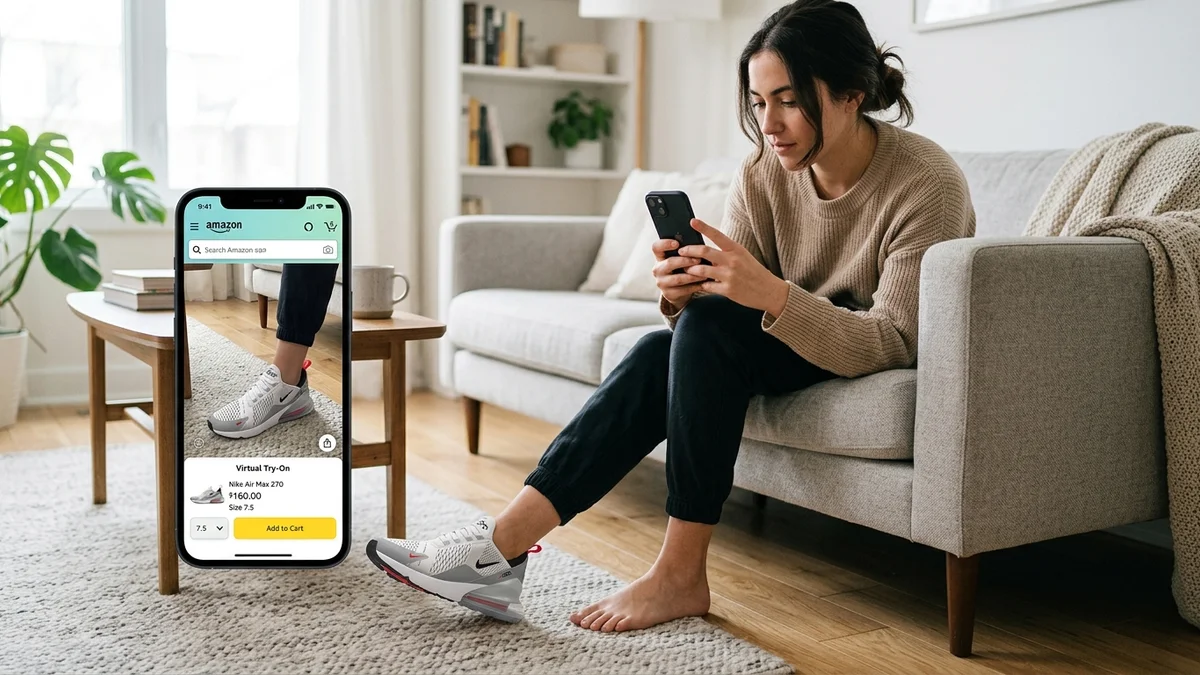
This is where virtual try-on technology bridges the gap. Tools like CheckMyFit let you upload a photo and visualize clothing on your actual body shape using AI. No physical mannequin needed.
Virtual try-on technology reduces return rates by up to 40% by helping shoppers see accurate fit before purchasing. The AI-powered approach works for anyone, regardless of body type or size, from XXS to 4XL.
When to use a fitting mannequin vs. virtual try-on:
| Scenario | Best Tool |
|---|---|
| Sewing custom garments | Fitting mannequin |
| Altering existing clothes | Fitting mannequin |
| Shopping online | Virtual try-on (CheckMyFit) |
| Checking outfit combinations | Virtual try-on |
| Professional pattern making | Fitting mannequin |
| Visualizing fit before purchase | Virtual try-on |
Key Takeaway: A fitting mannequin helps you create clothes. Virtual try-on helps you choose clothes. Both solve the same core problem: achieving perfect fit.
Recommended Products for Fitting Mannequins
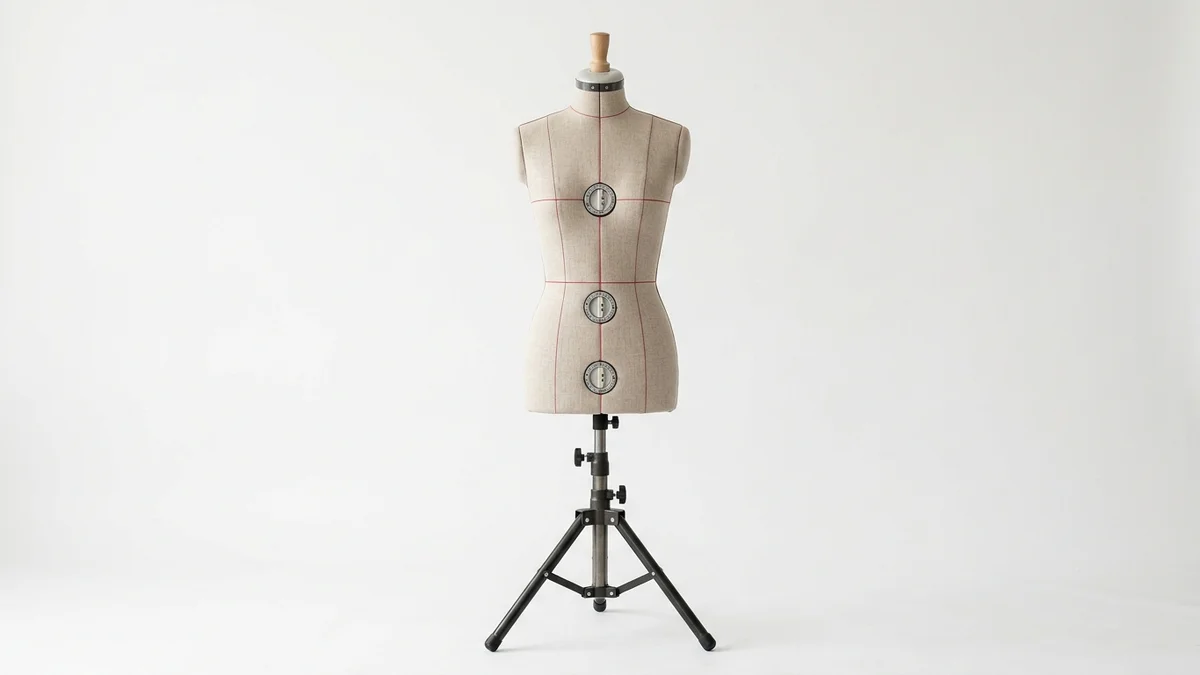
Fully adjustable dress form with 13 dials for bust, waist, and hip customization. Perfect for home sewers who need a versatile fitting mannequin.
View on Amazon →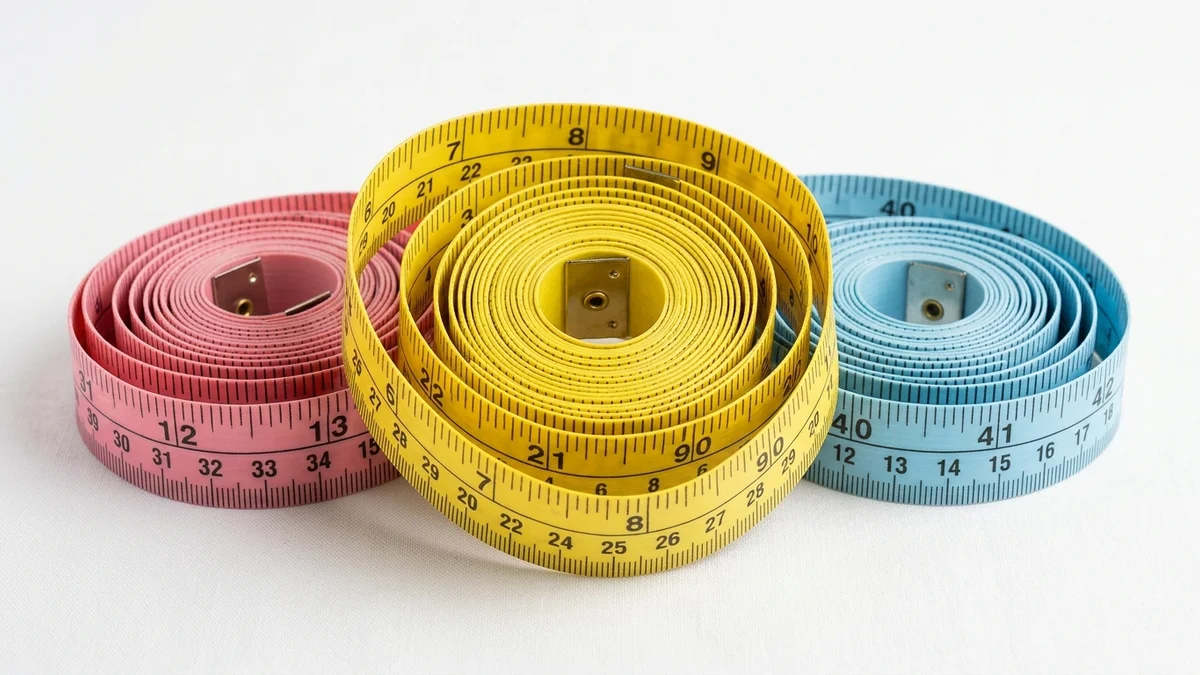
Essential for taking accurate body measurements before sizing your fitting mannequin. Flexible 60-inch tape with both metric and imperial markings.
View on Amazon →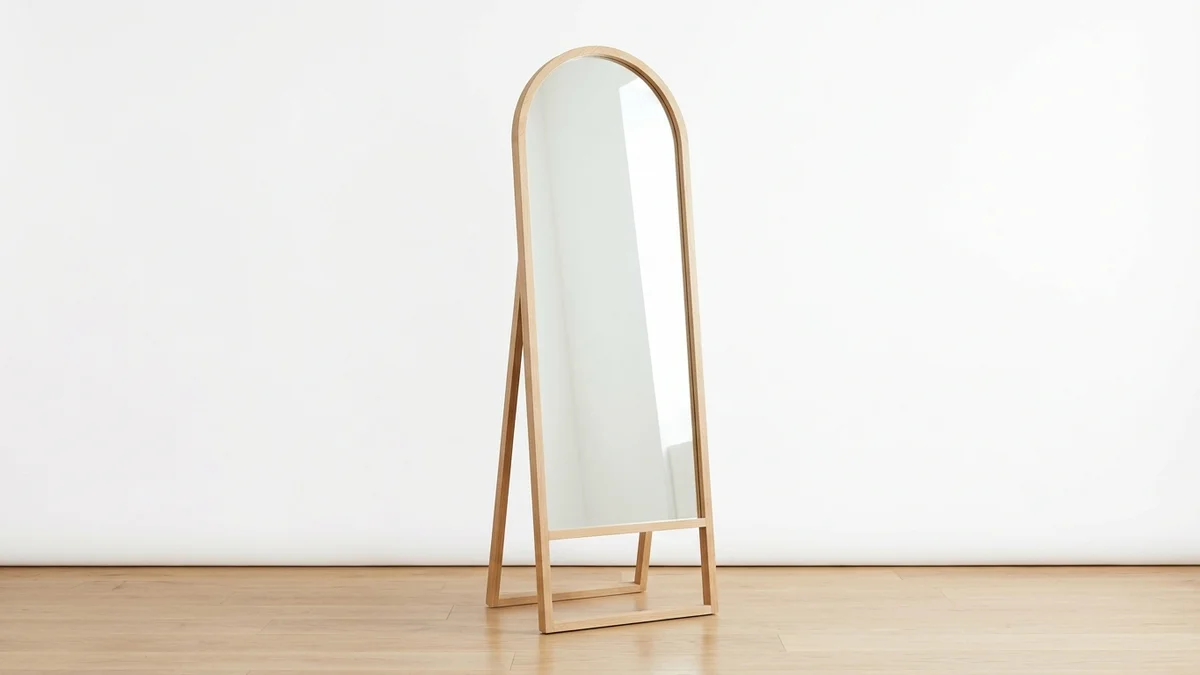
A full-length mirror is essential alongside your fitting mannequin. Compare garments on the form against how they look on your body for final adjustments.
View on Amazon →Frequently Asked Questions
What is the difference between a fitting mannequin and a dress form?
A fitting mannequin and a dress form are the same thing. Both terms describe a torso-shaped tool with a soft, pinnable surface used for sewing, draping, and tailoring garments. The term "mannequin" is broader and sometimes refers to hard-shell display figures used in retail stores, while "dress form" specifically means a sewing tool.
How much does a good fitting mannequin cost?
A quality fitting mannequin costs between $50 and $500 depending on the type. Adjustable home sewing forms start around $50-$200. Professional fixed forms range from $200 to $800. Custom body-scan forms can cost $500-$1,500. For beginners, an adjustable form in the $80-$150 range offers the best value.
What size fitting mannequin should I buy?
Buy a fitting mannequin one size smaller than your body measurements. Take your bust, waist, and hip measurements, then choose the form whose measurements fall just below yours. You can pad a smaller form up to your exact size using batting or foam, but you cannot shrink a form that is too large.
Can I make my own fitting mannequin at home?
Yes, you can make a DIY fitting mannequin at home using several methods. The most popular approach uses a custom sewing pattern from companies like Bootstrap Fashion based on your measurements. Another method involves wrapping your body in duct tape over an old t-shirt to create a body cast. The DIY route costs $20-$50 in materials.
How do I pad a fitting mannequin to match my body?
Start by placing your best-fitting bra on the form. Add quilt batting or foam in small amounts to the bust, waist, and hip areas. Check measurements after each addition. Cover the padding with a firm-fitted knit top to hold everything in place. Commercial pad kits like Fabulous Fit offer 17 pre-shaped pads for precise body matching.
Do I need a fitting mannequin to sew clothes?
A fitting mannequin is not strictly required for sewing, but it dramatically improves garment fit and saves time. Without one, you must try on garments repeatedly during construction or rely on flat pattern measurements alone. For simple projects like pillows or bags, a form is unnecessary. For fitted garments like dresses, blazers, or pants, a form makes a noticeable difference.
What is a collapsible shoulder on a fitting mannequin?
A collapsible shoulder feature lets you shrink the shoulder width of the form temporarily. This makes it easy to slide garments on and off without stretching necklines or damaging delicate fabrics. The shoulders snap back to full width for fitting. This feature is especially useful when working with structured tops and dresses.
Are virtual try-on tools replacing fitting mannequins?
Virtual try-on tools and fitting mannequins serve different purposes. AI-powered tools like CheckMyFit help shoppers visualize how clothes look on their body before buying online. Fitting mannequins help sewers and designers construct and alter physical garments. The two technologies complement each other rather than compete.
Conclusion
A fitting mannequin is an essential investment for anyone serious about sewing, tailoring, or fashion design. Whether you choose an adjustable form for home use or a professional fixed form for pattern making, the right dress form transforms your garment construction process.
For those who want to visualize clothing fit without sewing, try CheckMyFit's virtual try-on tool to see how any outfit looks on your body instantly. It is the modern digital companion to the traditional fitting mannequin.