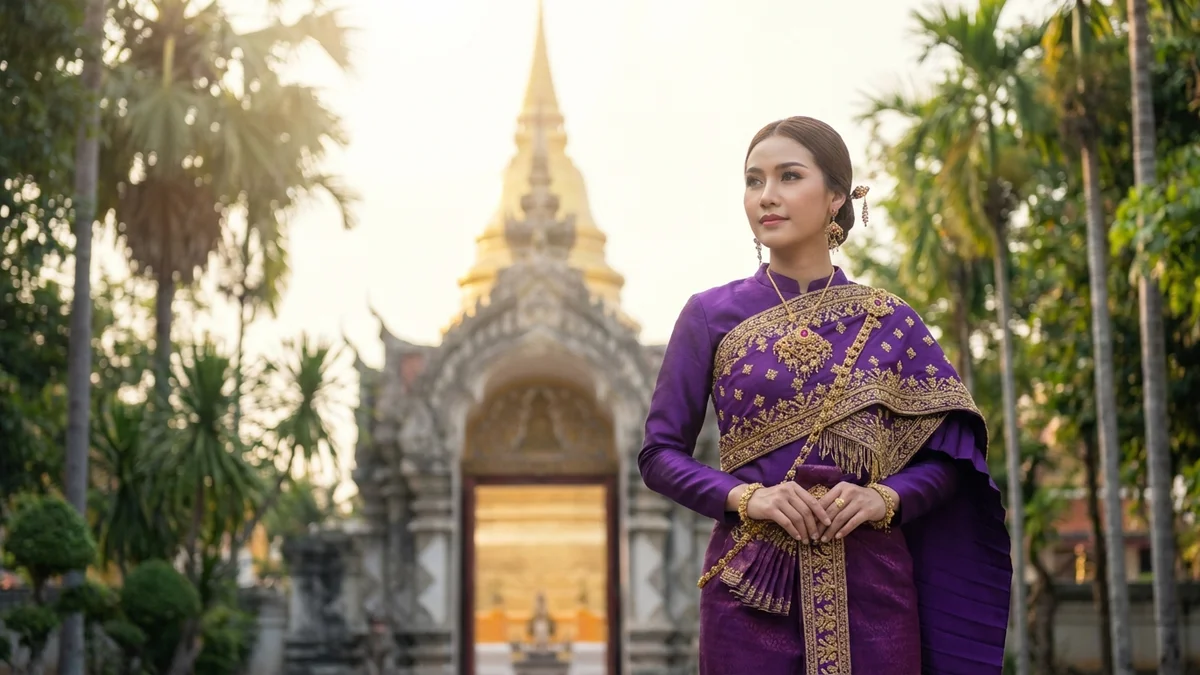
Thailand's traditional clothing represents centuries of cultural evolution, royal influence, and artistic craftsmanship. From the elegant silk garments worn at weddings to the intricate patterns seen during festivals, traditional Thai dress tells a story of national pride and identity.
This guide covers everything you need to know about traditional Thai clothing. You'll learn about the different styles, their historical significance, and how people wear them today.
What Is Traditional Thai Clothing?
Traditional Thai clothing, known as Chut Thai (ชุดไทย), refers to the national dress of Thailand. The term translates to "Thai outfit" and encompasses various styles worn for different occasions.
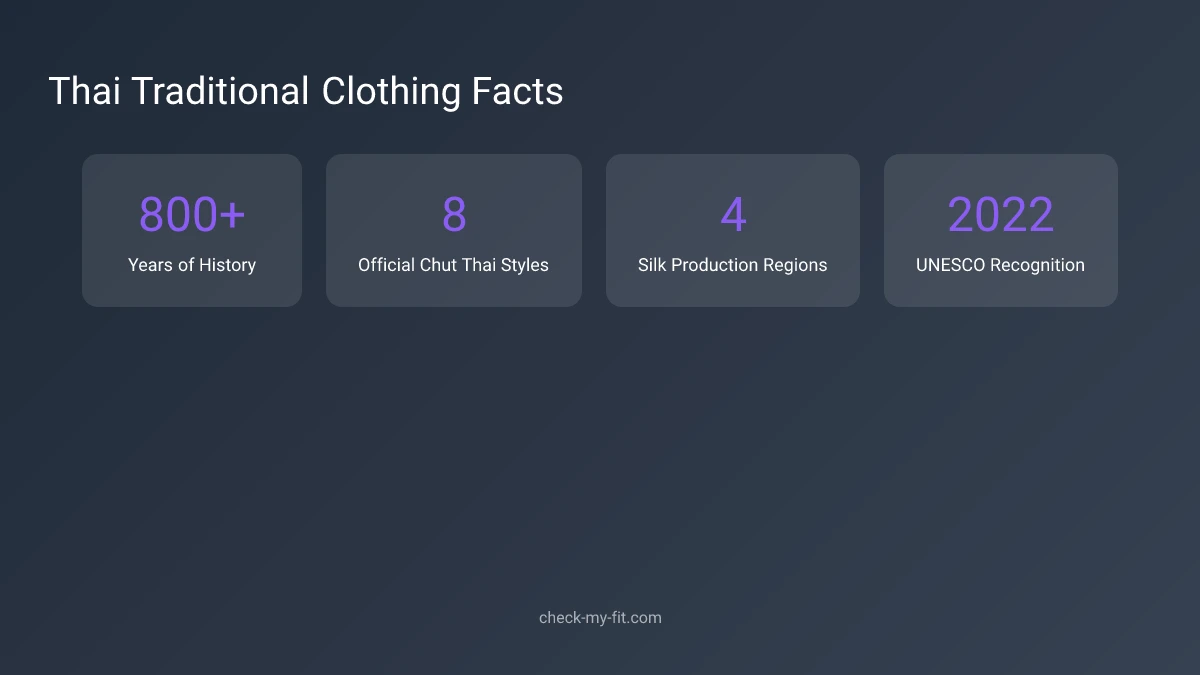
Key Takeaway: Chut Thai became Thailand's official national dress in the 1960s when Queen Sirikit standardized eight distinct styles for formal occasions.
Thai traditional clothing stands apart from other Asian dress styles through several distinctive features:
| Feature | Thai Traditional | Other Asian Styles |
|---|---|---|
| Primary fabric | Thai silk | Varies (cotton, silk, brocade) |
| Silhouette | Fitted bodice, draped lower | Often loose-fitting throughout |
| Shoulder style | Often one-shoulder or strapless | Usually covers both shoulders |
| Draping technique | Pha nung wrapped skirt | Sewn skirts or pants |
| Occasions | Weddings, temples, royal events | Similar ceremonial use |
The clothing varies based on formality, region, and the wearer's status. Royal ceremonies require the most elaborate versions with heavy gold embroidery and precious stones.
Types of Thai Traditional Dress
Thailand recognizes eight official styles of Chut Thai, each designed for specific occasions. Understanding these categories helps you choose appropriate attire for any event.
Chut Thai for Women
Women's traditional Thai dress features elegant designs that emphasize grace and femininity.
| Style | Description | When to Wear |
|---|---|---|
| Chut Thai Ruean Ton | Blouse with pha nung skirt, sabai sash | Daily formal wear |
| Chut Thai Chakri | One-shoulder draped gown | Royal audiences, state dinners |
| Chut Thai Boromphiman | Full-length evening gown, jeweled belt | Formal evening events |
| Chut Thai Siwalai | Two-piece with long shawl | Afternoon ceremonies |
| Chut Thai Chakkraphat | Brocade with royal train | Weddings, coronations |
| Chut Thai Dusit | Western-influenced formal | Semi-formal occasions |
| Chut Thai Amarin | Sleeveless with front drape | Daytime formal events |
| Chut Thai Chitlada | Collarless jacket-blouse | Official functions |
The Chut Thai Phra Ratcha Niyom specifically refers to the formal court dress worn during royal ceremonies. These garments feature Thai silk in jewel tones with gold thread embroidery.
Traditional Thai Dress for Men
Men's traditional Thai attire follows a more standardized format while still offering regional variations.
Raj pattern shirts represent the most common formal choice. These collarless, button-front shirts feature vertical seams and are typically made from Thai silk or cotton. Men pair them with:
- Pha chong kraben: Traditional wrapped trousers
- Western-style trousers: For semi-formal occasions
- Sabai sash: During ceremonies
The color choice matters significantly. White indicates mourning, while bright colors suit celebrations. Gold and deep jewel tones appear at royal events.
The History of Thai Traditional Clothing
Thai clothing evolved through distinct historical periods, each leaving its mark on contemporary styles.
Ancient Origins (Before 1200 CE)
Early Thai clothing consisted of simple wrapped garments. Both men and women wore the pha nung, a rectangular cloth wrapped around the lower body. The tropical climate influenced these lightweight, breathable designs.
Archaeological evidence shows ancient Thai people used bark cloth and hand-woven cotton. Natural dyes from indigo, turmeric, and other plants created the color palette.
Sukhothai and Ayutthaya Periods (1238-1767)
Trade with India, China, and Persia introduced new fabrics and techniques. Thai silk production flourished during this era. The court developed increasingly elaborate dress codes:
During the Ayutthaya period, Thai silk became so prized that kings used it as diplomatic gifts to foreign rulers.
Sumptuary laws dictated who could wear certain colors and fabrics. Gold thread remained exclusive to royalty. Common people wore white, black, or indigo cotton.
Modern Revival (1960s-Present)
Queen Sirikit's influence transformed traditional Thai dress. She worked with designers to create the eight Chut Thai styles that remain standards today. Her efforts:
- Standardized national dress for diplomatic occasions
- Revived dying silk-weaving traditions
- Made traditional clothing fashionable for younger generations
Today, Thais wear traditional clothing for weddings, temple visits, national holidays, and cultural events. The garments blend historical elements with modern comfort.
Traditional Thai Clothing for Special Occasions
Different events call for specific traditional Thai attire. Knowing the appropriate dress code shows cultural respect.
Weddings
Thai wedding ceremonies feature some of the most elaborate traditional clothing. Brides often wear:
- Chut Thai Phra Ratcha Niyom in auspicious colors (pink, gold, red)
- Heavy gold jewelry and headdress
- Flower garlands (malai)
Grooms wear Raj pattern shirts in matching or complementary colors with pha chong kraben.
Temple Visits
Visiting Thai temples requires modest dress. Traditional options include:
- Conservative Chut Thai Ruean Ton for women
- Long pha nung skirts covering knees
- Shoulders and upper arms covered
- White clothing for merit-making ceremonies
Songkran and Loy Krathong
These major festivals see widespread traditional dress. Participants often choose:
- Bright, colorful Chut Thai styles
- Floral prints during Songkran (Thai New Year)
- Pastel and silver tones for Loy Krathong (Lantern Festival)
Trying Traditional Dress Virtually
Curious how Thai traditional clothing might look on you? Virtual try-on technology lets you experiment with different styles before committing to a purchase or rental.
CheckMyFit uses AI to show you how various outfits appear on your body. Upload a photo and explore different Chut Thai styles to find the most flattering options for your body type.
This technology proves especially useful when:
- Planning for a Thai wedding or ceremony
- Shopping for traditional garments online
- Exploring cultural clothing from home

Recommended Products for Thai Fashion Enthusiasts
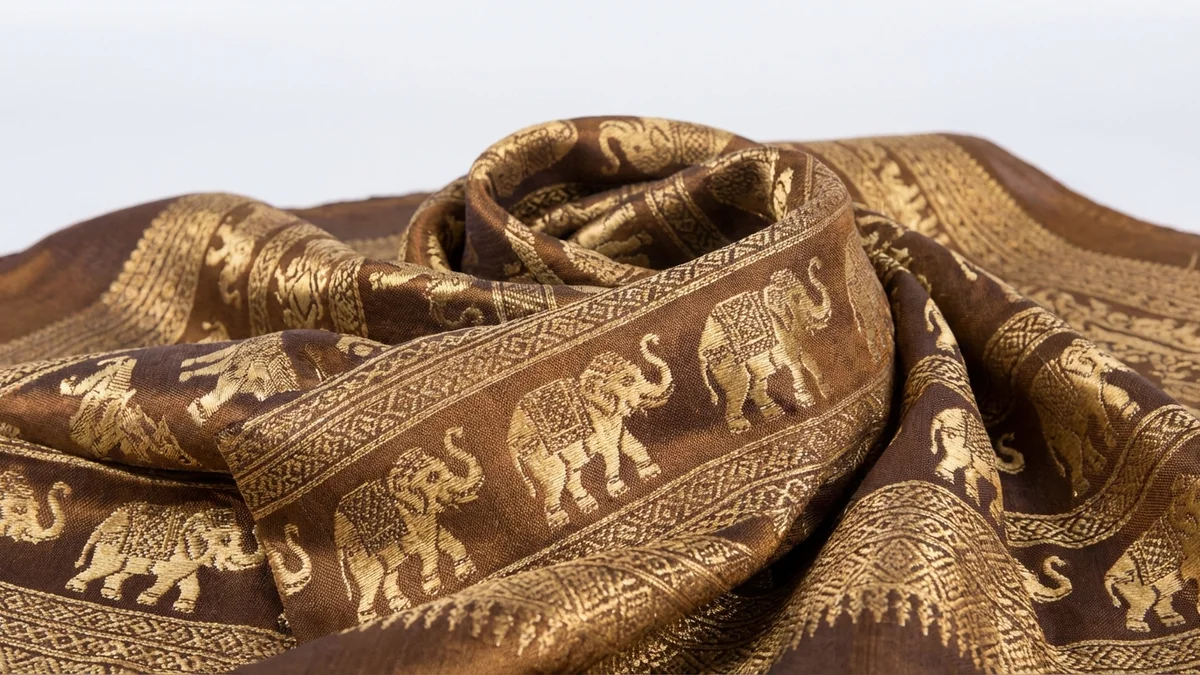
Authentic handmade Thai silk scarf with traditional elephant design. Size 27x69 inches, perfect for adding Thai elegance to any outfit.
View on Amazon →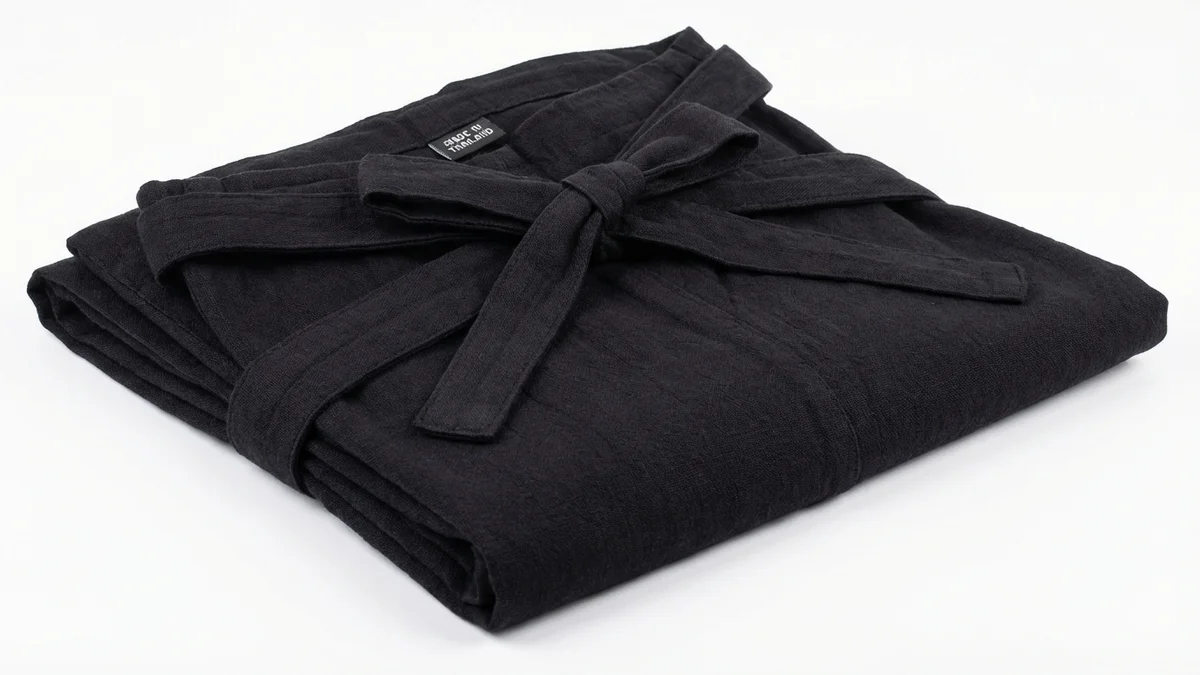
Lightweight 100% cotton traditional wrap pants. Fits S/M/L with adjustable tie. Perfect for yoga, meditation, or casual wear.
View on Amazon →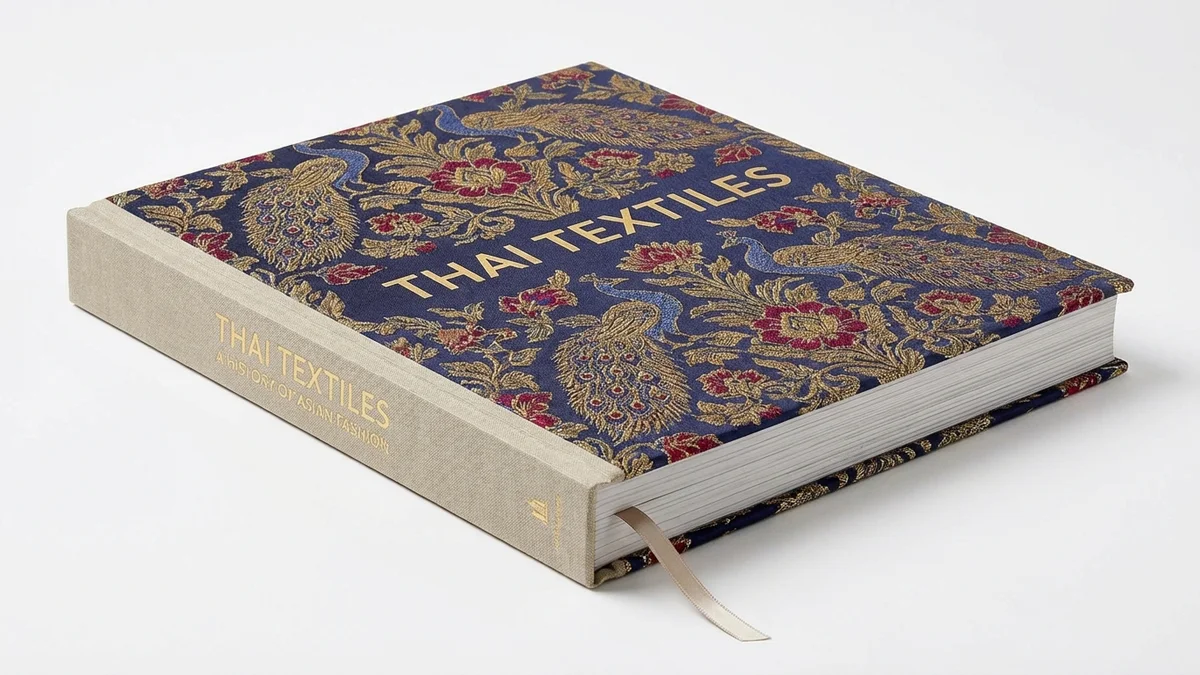
Comprehensive guide to Thai textiles covering silk production, weaving, dyeing, and costume evolution. Illustrated with temple murals and court records.
View on Amazon →How to Style Thai Traditional Clothing Today
Modern Thai fashion blends traditional elements with contemporary design. Here's how people incorporate traditional Thai clothing into everyday style.
Everyday Incorporation
You don't need a formal occasion to appreciate Thai fashion elements:
- Thai silk accessories: Scarves, ties, pocket squares
- Elephant print items: Bags, shoes, casual shirts
- Traditional patterns: On modern silhouettes
- Color palettes: Jewel tones inspired by royal dress
Modern Interpretations
Thai designers continue reimagining traditional dress for today's wearers:
- Fusion designs combine Thai silk with Western cuts
- Sustainable fashion revives traditional weaving techniques
- Ready-to-wear Chut Thai makes traditional dress accessible
- Casual Thai-inspired pieces work for daily wear
Caring for Thai Silk
Traditional Thai clothing often features delicate silk that requires special care:
| Care Step | Instructions |
|---|---|
| Washing | Dry clean only for embroidered pieces |
| Storage | Hang on padded hangers, avoid direct sunlight |
| Ironing | Low heat, steam from reverse side |
| Stain removal | Blot immediately, professional treatment recommended |
Where to Experience Thai Traditional Clothing
Several options exist for those wanting to try or purchase authentic Thai traditional dress.
In Thailand
- Jim Thompson House: Premium Thai silk and demonstrations
- Chatuchak Market: Affordable traditional items
- Traditional dress rental shops: Near Grand Palace, temples
- Custom tailors: Chinatown and tourist areas
Online Options
Before purchasing online, virtual try-on helps you visualize how Thai styles suit your body type. Try CheckMyFit to see different traditional clothing options on yourself. This saves time and reduces the likelihood of ordering something that doesn't fit your style.
Conclusion
Traditional Thai clothing represents a living cultural heritage that continues evolving. From the elegant Chut Thai worn at royal ceremonies to everyday silk accessories, these garments connect modern Thais to their history.
Whether you're attending a Thai wedding, visiting temples, or simply appreciating Asian fashion, understanding traditional Thai dress enriches the experience. The eight official Chut Thai styles offer options for every formal occasion.
Ready to explore how Thai traditional clothing might look on you? Visit CheckMyFit to virtually try on different cultural styles and discover what flatters your unique body type.
Interested in more traditional Asian fashion? Read our guides on Japanese Traditional Attire and Korean Traditional Fashion.