Japanese Traditional Attire: Complete Guide to Kimono, Yukata & More
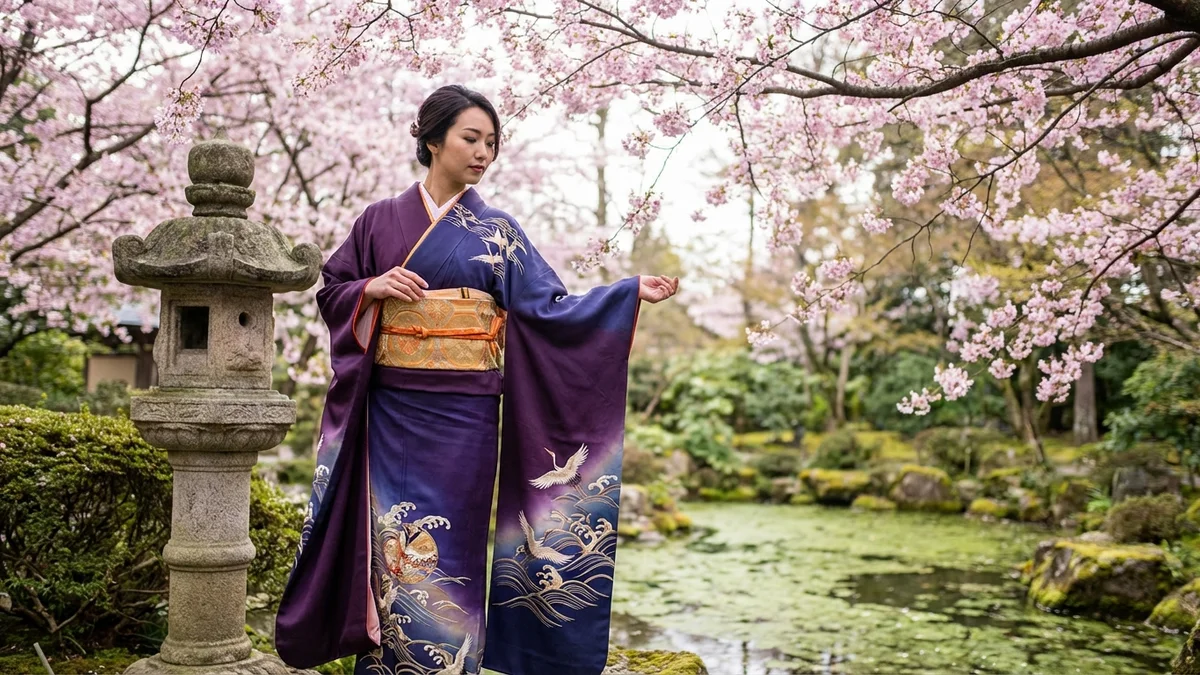
Japanese traditional attire represents centuries of cultural refinement and artistic expression. From the elegant kimono to the casual yukata, these garments tell stories of craftsmanship, seasonal awareness, and social customs that continue to captivate people worldwide.
Whether you're planning to attend a Japanese wedding, visiting a ryokan, or simply curious about traditional Japanese dress, this guide covers everything you need to know about Japanese traditional clothing.
What Is Japanese Traditional Attire?
Japanese traditional attire refers to the historic clothing styles that developed in Japan over thousands of years. Unlike Western fashion that emphasizes form-fitting silhouettes, Japanese traditional wear features flowing lines, layered fabrics, and symbolic patterns.
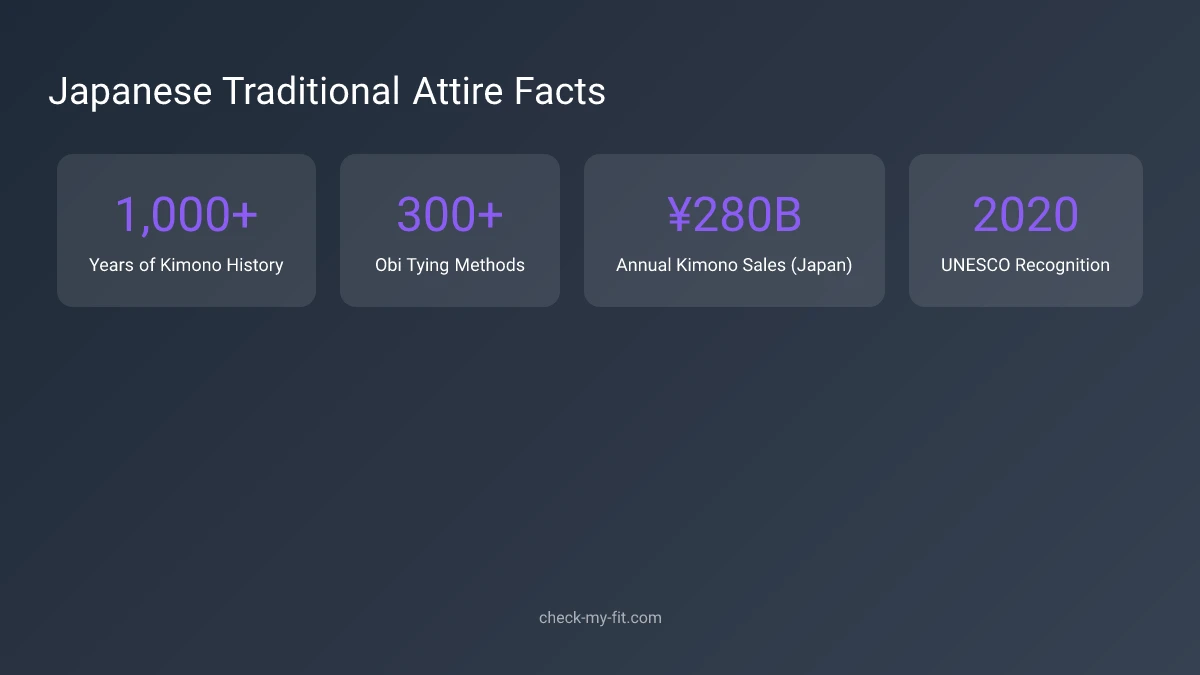
Key Takeaway: Japanese traditional clothing is designed to drape elegantly, with the obi (sash) serving as both a functional and decorative element that defines the garment's silhouette.
The philosophy behind Japanese traditional dress centers on harmony with nature, social context, and seasonal appropriateness. Colors, patterns, and fabric weights all change with the seasons—a concept called "kisetsukan" (seasonal feeling).
Over 70% of Japanese people own at least one kimono, typically worn for coming-of-age ceremonies, weddings, and New Year celebrations.
Types of Japanese Traditional Clothing
Understanding the different types of Japanese traditional wear helps you choose the right garment for any occasion.
| Garment | Description | Formality | Best For |
|---|---|---|---|
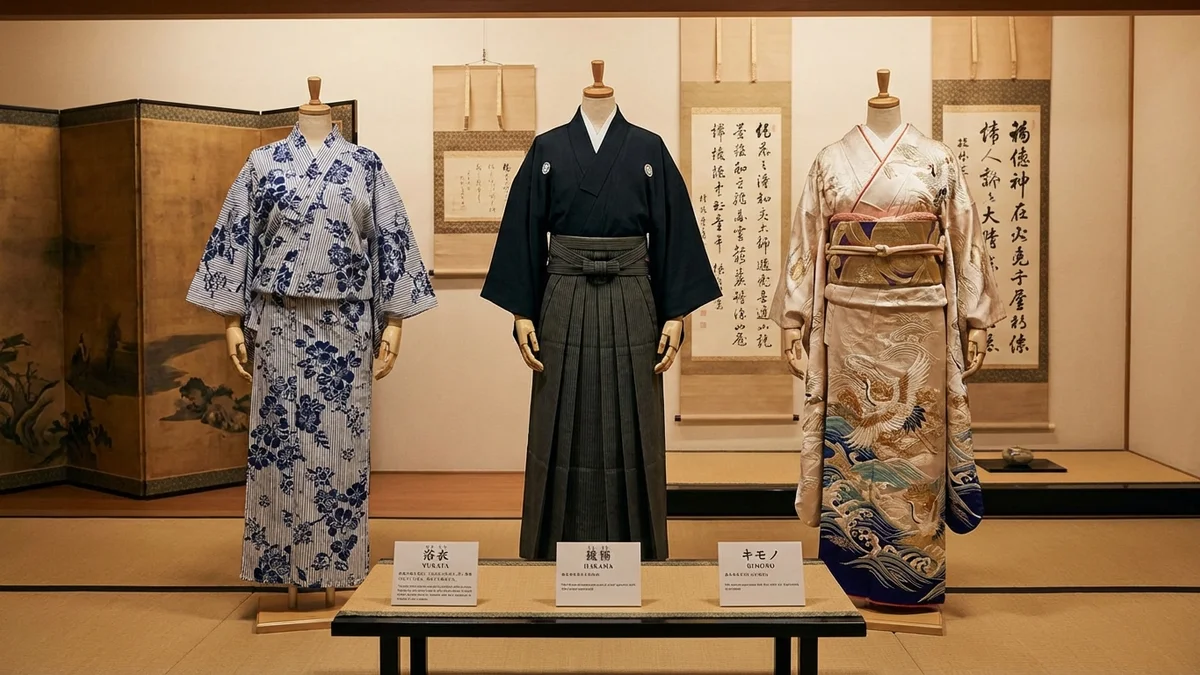
| Kimono | Full-length robe with wide sleeves, wrapped left over right | Formal to semi-formal | Weddings, tea ceremonies, special events |
| Yukata | Lightweight cotton kimono | Casual | Summer festivals, ryokan stays, casual outings |
| Hakama | Wide-legged pleated trousers | Formal | Martial arts, graduations, traditional ceremonies |
| Haori | Hip-length jacket worn over kimono | Semi-formal | Added warmth and style |
| Furisode | Long-sleeved kimono for unmarried women | Very formal | Coming-of-age ceremonies, weddings |
| Tomesode | Short-sleeved kimono for married women | Very formal | Weddings (mother of bride/groom) |
Kimono: The Iconic Japanese Dress
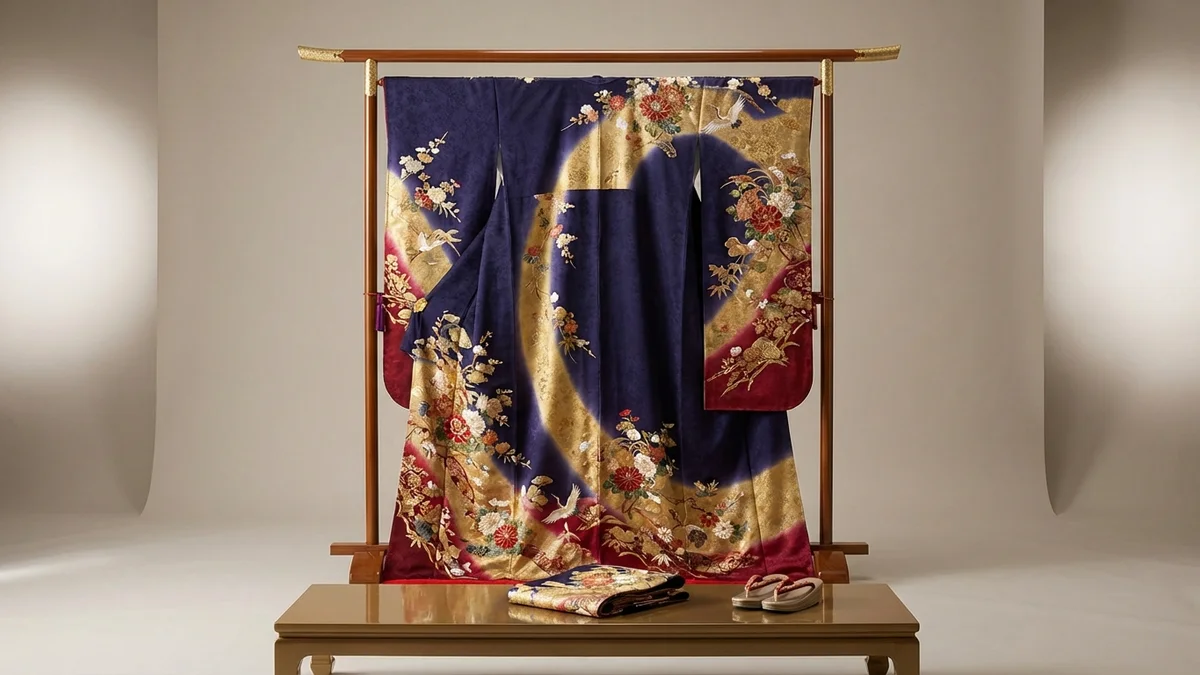
The kimono is the most recognized piece of Japanese traditional clothing. Its name literally means "thing to wear" (ki = wear, mono = thing), reflecting its once-universal status in Japanese wardrobes.
Modern kimonos feature:
- Silk or synthetic fabrics for formal wear
- Hand-painted or dyed patterns that indicate season and occasion
- Obi sashes that can cost as much as the kimono itself
- Multiple layers including juban (undergarment) and accessories
Yukata: The Casual Summer Choice
The yukata offers an accessible entry point to Japanese traditional dress. Made from lightweight cotton or synthetic blends, yukatas are:
- Easier to put on than formal kimonos
- More affordable (typically $50-200 vs. $1,000+ for silk kimonos)
- Perfect for summer festivals (matsuri)
- Standard attire at Japanese inns and hot spring resorts
When to Wear Japanese Traditional Dress
Knowing when to wear Japanese traditional attire helps you participate appropriately in cultural events.
| Occasion | Recommended Attire | Notes |
|---|---|---|
| Wedding (guest) | Houmongi or Iromuji kimono | Avoid white (bride's color) and black (reserved for close family) |
| Coming-of-Age Day | Furisode | Bright colors and elaborate patterns are encouraged |
| Tea Ceremony | Subtle, solid-colored kimono | Avoid flashy patterns that distract from the ceremony |
| Summer Festival | Yukata | Fun patterns acceptable, geta sandals recommended |
| New Year | Formal kimono | Auspicious patterns like pine, bamboo, plum |
| Funeral | Black kimono with family crest | Five-crested (itsutsu-mon) is most formal |
| Graduation | Hakama over kimono | Popular choice for university ceremonies |
Seasonal Considerations
Japanese traditional clothing follows strict seasonal rules:
- Spring (March-May): Cherry blossom, butterfly, and wisteria patterns
- Summer (June-August): Lightweight fabrics, water-inspired motifs
- Autumn (September-November): Maple leaves, chrysanthemums, harvest themes
- Winter (December-February): Heavier silks, pine and plum patterns
How to Style Japanese Traditional Wear
Styling Japanese traditional attire correctly elevates your look and shows cultural respect.
Essential Accessories
Every kimono outfit requires several key components:
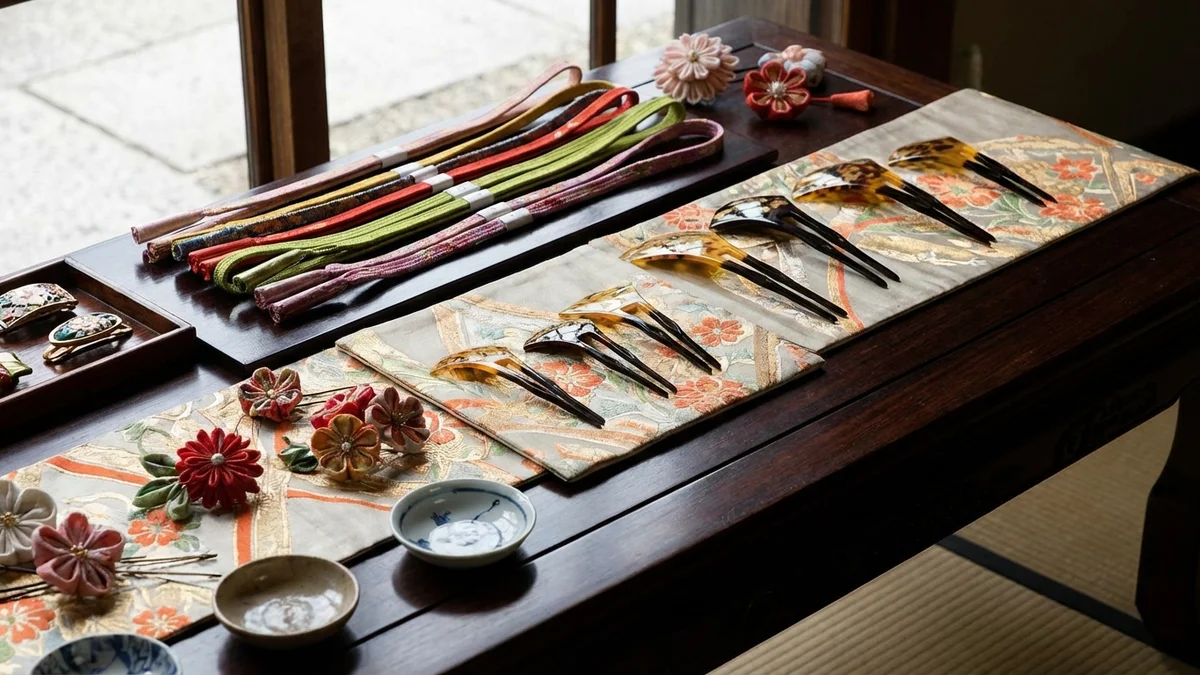
- Obi - The wide sash that holds the kimono closed and adds visual interest
- Obijime - Decorative cord tied over the obi
- Obiage - Fabric tucked into the obi for color accent
- Tabi - Split-toe socks worn with traditional footwear
- Zori or Geta - Traditional sandals (zori for formal, geta for casual)
Obi Tying Styles
| Style | Appearance | Formality |
|---|---|---|
| Taiko Musubi | Drum-shaped bow | Most common, semi-formal |
| Fukura Suzume | Sparrow shape | Formal, for younger women |
| Bunko | Bow shape | Casual, often for yukata |
| Kai no Kuchi | Shell opening shape | Men's style |
The way you tie your obi can indicate your age, marital status, and the formality of the occasion—making it one of the most important styling decisions.
Modern Styling Tips
Contemporary wearers often blend traditional and modern elements:
- Pair yukata with Western accessories for casual outings
- Add a modern haori jacket to create fusion looks
- Choose contemporary patterns while maintaining traditional silhouettes
- Experiment with obi placement and tying for personal expression
Try Japanese Attire Before You Buy
Purchasing Japanese traditional attire represents a significant investment. A quality silk kimono can cost $1,000 to $10,000 or more, and even casual yukata range from $50 to $300.
The challenge? You can't know how these garments will look on you until you try them on.
The Virtual Try-On Solution
This is where modern technology meets traditional fashion. With AI-powered virtual try-on tools like CheckMyFit, you can:
- See yourself in traditional Japanese attire before making a purchase
- Experiment with different colors and patterns to find your ideal match
- Share looks with friends and family to get opinions
- Make confident buying decisions without expensive mistakes
Whether you're shopping for a summer yukata or investing in a formal kimono for a special occasion, virtual try-on technology eliminates the guesswork.
How it works:
- Upload your photo to CheckMyFit
- Select Japanese traditional attire styles
- See how each garment looks on your body
- Compare options side by side

This is especially valuable for international shoppers who may not have access to specialty kimono shops for in-person fittings.
Where to Buy Japanese Traditional Clothing
Finding authentic Japanese traditional wear requires knowing where to look.
| Source | Pros | Cons |
|---|---|---|
| Japanese department stores | High quality, expert fitting | Expensive, limited international access |
| Online specialty retailers | Wide selection, ships globally | Can't try before buying |
| Vintage/secondhand shops | Unique pieces, sustainable | May need repairs or cleaning |
| Rental services | Affordable for one-time wear | Must return, limited customization |
Pro tip: Before committing to an expensive purchase from an online retailer, use virtual try-on to visualize how different styles and colors will look on you. This is particularly helpful when shopping from Japanese websites where return shipping can be costly.
Caring for Japanese Traditional Attire
Proper care extends the life of your Japanese traditional clothing:
- Silk kimonos should be professionally dry cleaned or specialized kimono cleaned
- Cotton yukatas can often be gently hand washed and air dried
- Storage should be flat or rolled, never hung (this can stretch the fabric)
- Moth prevention is essential—use cedar or specialized kimono storage
- Air out garments after wearing before storing
Recommended Products for Japanese Attire Enthusiasts
If you're starting your journey with Japanese traditional clothing, these essentials will help you get started:
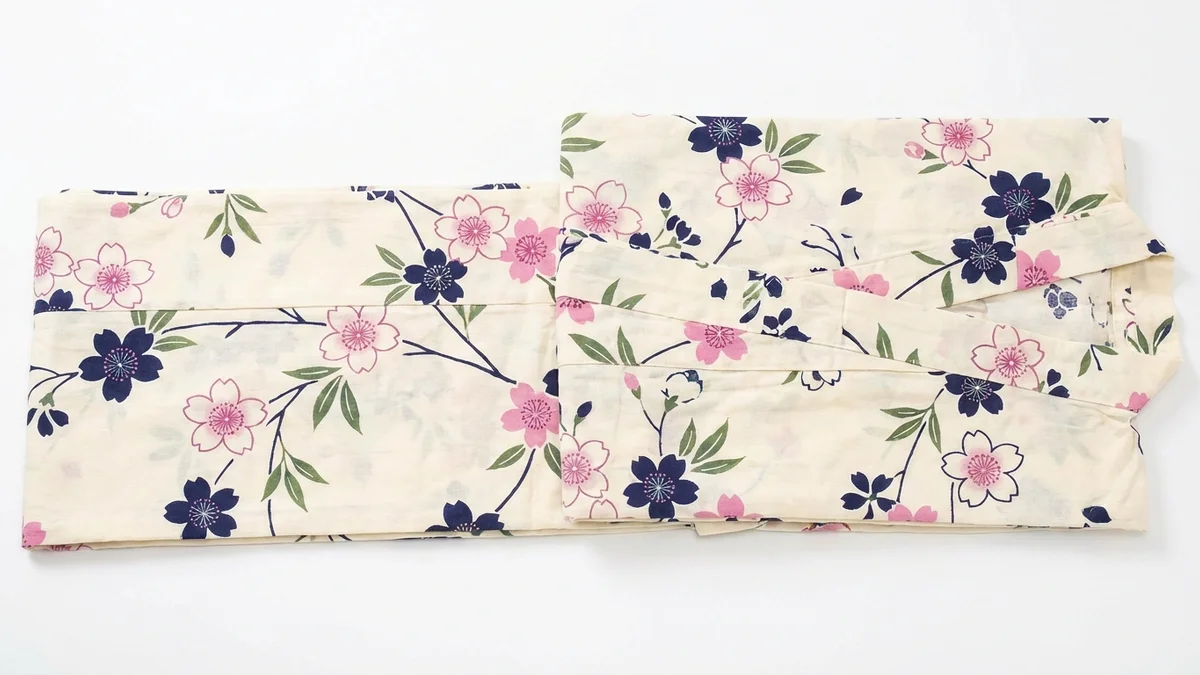
Kimono Now – Japanese Fashion & Culture Book
A beautiful visual guide exploring the evolution of kimono from traditional to contemporary styles. Perfect for understanding the cultural significance behind each garment.
~$30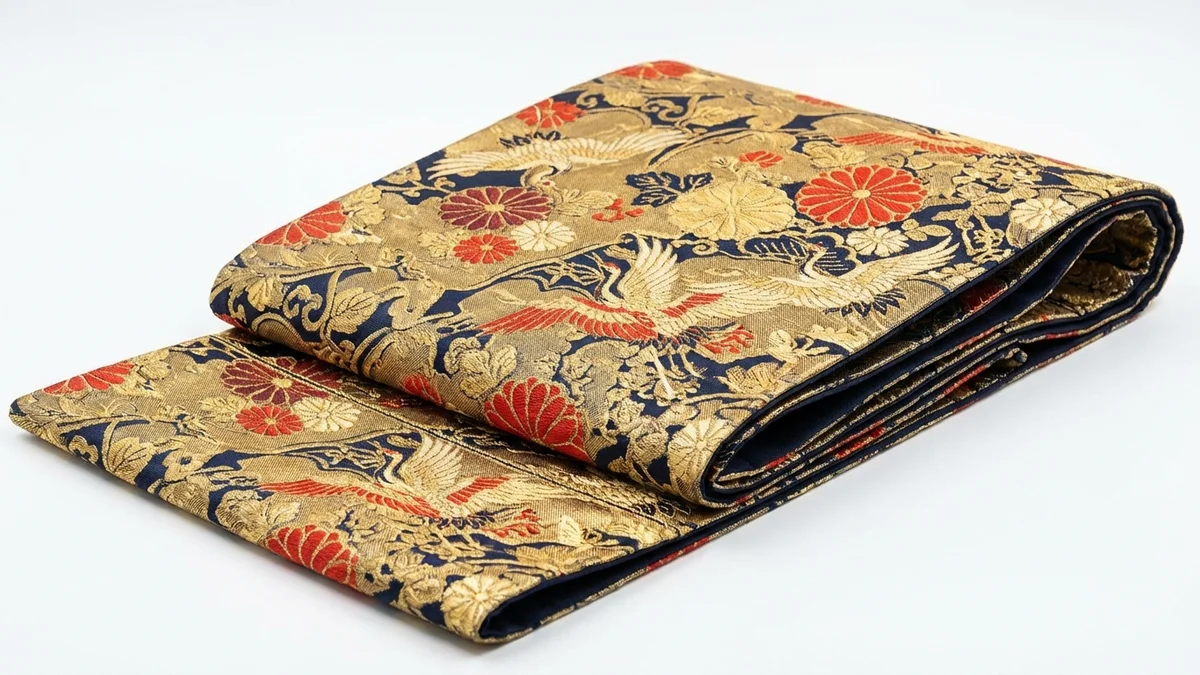
HiLIFE Portable Garment Steamer
Essential for maintaining your kimono and yukata. Gently removes wrinkles from delicate fabrics without direct contact, preserving the integrity of silk and cotton garments.
$23.14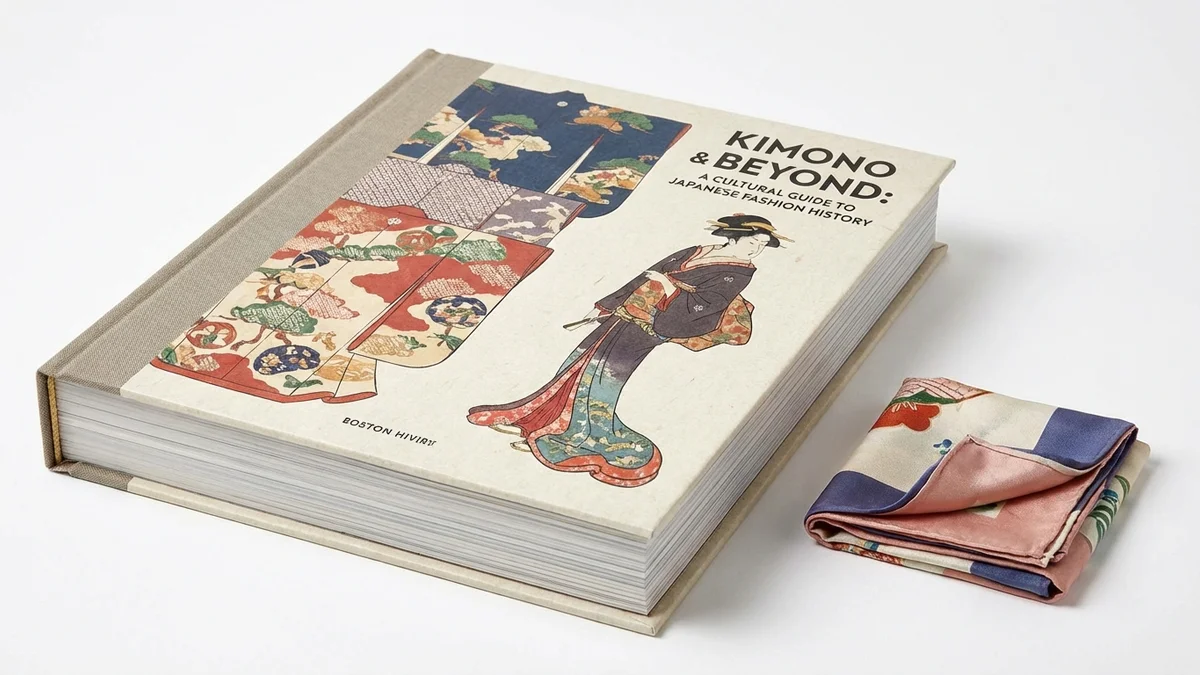
Soft Measuring Tape – Body Measurements
Accurate body measurements are crucial for kimono sizing. This flexible tape helps you measure correctly for a perfect fit when ordering traditional Japanese garments online.
$5.99Conclusion
Japanese traditional attire offers a beautiful way to connect with one of the world's richest fashion traditions. From the formal elegance of silk kimonos to the casual charm of summer yukatas, these garments continue to inspire and delight wearers around the globe.
Understanding the types, occasions, and styling elements helps you wear Japanese traditional clothing with confidence and cultural appreciation.
Ready to see how Japanese traditional attire would look on you? Try CheckMyFit to virtually try on kimonos, yukatas, and other traditional garments before you buy. Experience the elegance of Japanese fashion with the convenience of modern AI technology.