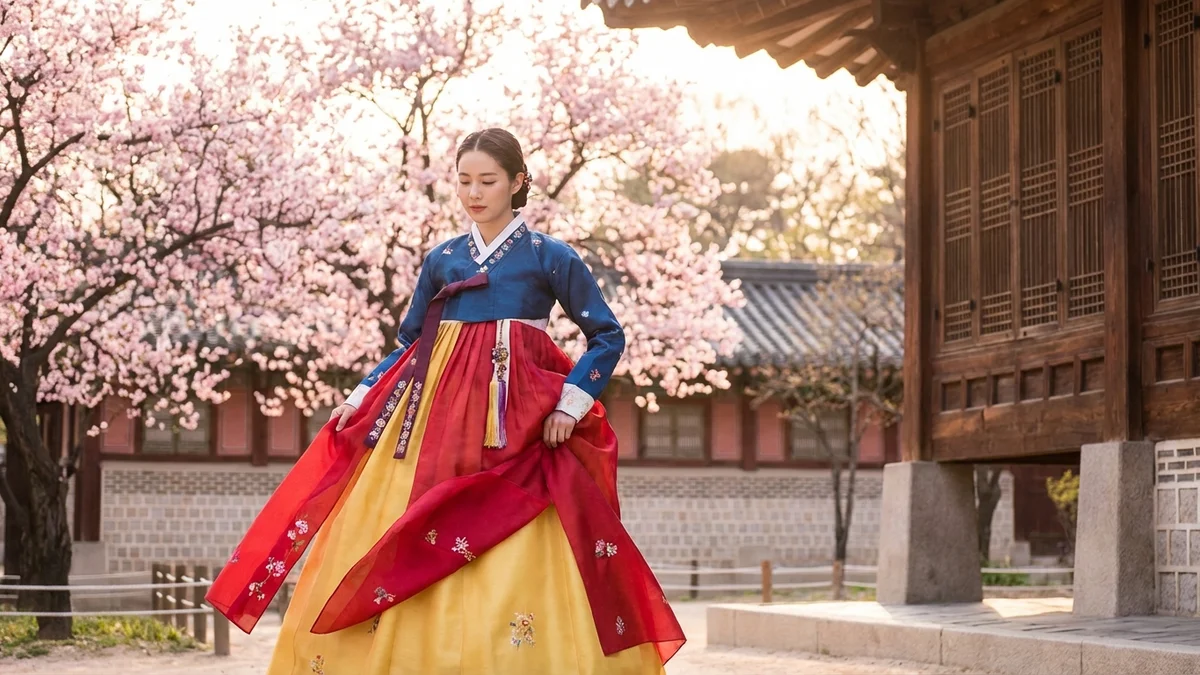
Korean traditional fashion represents one of Asia's most elegant and culturally rich clothing traditions. The hanbok, Korea's iconic traditional garment, has captivated fashion enthusiasts worldwide with its flowing lines, vibrant colors, and deep cultural symbolism. Whether you're planning a trip to Korea, attending a cultural event, or simply curious about this beautiful tradition, this guide covers everything you need to know about Korean traditional fashion.
What Is Korean Traditional Fashion?
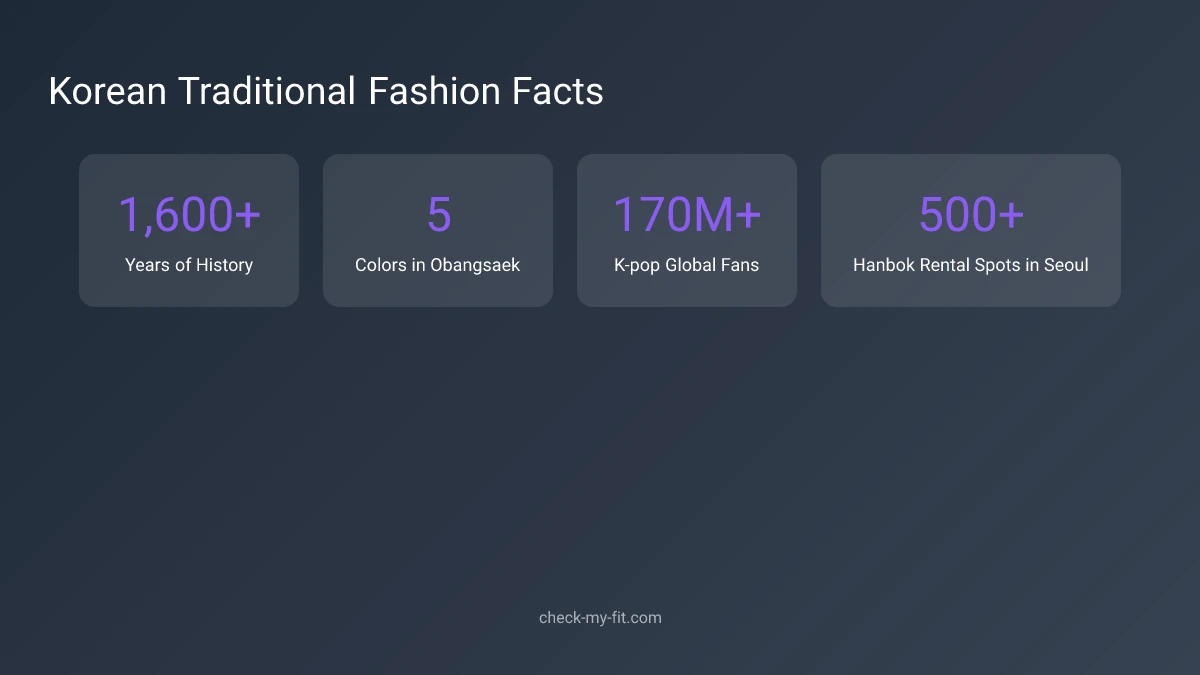
Key Takeaway: Korean traditional fashion, centered around the hanbok, dates back over 1,600 years and remains a vital part of Korean cultural identity today.
Korean traditional fashion encompasses the clothing styles worn throughout Korea's history. The most recognizable form is the hanbok (한복), which translates to "Korean clothing." This traditional dress has evolved over centuries but maintains its distinctive silhouette.
The hanbok emerged during the Three Kingdoms period (57 BC – 668 AD). Each kingdom developed unique styles. However, the basic structure remained consistent: a jeogori (jacket) paired with either chima (skirt) for women or baji (pants) for men.
Historical Timeline of Korean Traditional Fashion
| Era | Period | Key Developments |
|---|---|---|
| Three Kingdoms | 57 BC – 668 AD | Basic hanbok structure established |
| Goryeo Dynasty | 918 – 1392 | Mongolian influence, wider sleeves |
| Joseon Dynasty | 1392 – 1897 | Classic hanbok style perfected |
| Modern Era | 1900s – Present | Simplified designs, fusion styles |
Korean traditional fashion served practical and symbolic purposes. Clothing indicated social status, age, and occasion. Bright colors were reserved for children, nobility, and special ceremonies. Commoners typically wore white or muted tones.
The Hanbok: Korea's Iconic Traditional Garment
The hanbok stands as the centerpiece of Korean traditional fashion. Its design philosophy emphasizes natural body flow rather than fitted silhouettes. This creates an elegant, graceful appearance that has inspired fashion designers globally.
Components of Traditional Hanbok
Women's Hanbok:
- Jeogori: Short jacket with curved sleeves
- Chima: High-waisted, full-length wrap skirt
- Goreum: Decorative ribbon tie at the front
- Norigae: Ornamental pendant accessory
Men's Hanbok:
- Jeogori: Longer jacket than women's version
- Baji: Loose-fitting trousers
- Jokki: Vest worn over jeogori
- Durumagi: Overcoat for formal occasions
Women's vs Men's Hanbok Comparison
| Feature | Women's Hanbok | Men's Hanbok |
|---|---|---|
| Top garment | Short jeogori | Longer jeogori |
| Bottom garment | Chima (skirt) | Baji (pants) |
| Silhouette | Flowing, bell-shaped | Straight, structured |
| Accessories | Norigae, binyeo | Gat (hat), belt |
| Color palette | Vibrant, varied | Subdued, earth tones |
Color Symbolism in Korean Traditional Fashion
Colors in hanbok carry deep meaning. The obangsaek (five cardinal colors) system guides traditional color choices:
- Blue/Green (청): East, spring, new beginnings
- Red (적): South, summer, passion, good fortune
- Yellow (황): Center, earth, royalty
- White (백): West, autumn, purity
- Black (흑): North, winter, wisdom
"In Korean traditional fashion, every color tells a story. A bride's red and green hanbok symbolizes the harmony of yin and yang." — Korean Cultural Heritage Foundation
Types of Korean Traditional Clothing
Korean traditional fashion extends beyond the standard hanbok. Different occasions call for specific garments.
Ceremonial Hanbok
Wedding Attire:
- Hwarot: Elaborate bridal robe with embroidered symbols
- Wonsam: Formal court dress for ceremonies
- Traditional wedding hanbok features red and green symbolizing balance
Coming-of-Age Ceremony:
- Young adults wear special hanbok for the gwarye celebration
- Girls receive ceremonial hairpins (binyeo)
Seasonal Variations
| Season | Fabric | Characteristics |
|---|---|---|
| Spring/Fall | Silk, cotton | Medium weight, layered |
| Summer | Ramie, hemp | Lightweight, breathable |
| Winter | Padded silk | Quilted, layered warmth |
Daily vs Formal Hanbok
Traditional Koreans had different hanbok for various activities:
- Pyeongbok: Everyday casual hanbok
- Yebok: Formal ceremonial dress
- Gunbok: Military uniforms
- Gwanbok: Official government attire
Korean Traditional Fashion in Modern Times

Korean traditional fashion has experienced a remarkable global revival. K-pop, Korean dramas, and increased cultural tourism have sparked worldwide interest in hanbok.
The K-Pop Influence
K-pop artists frequently incorporate hanbok elements into performances and music videos. Groups like BTS, BLACKPINK, and Stray Kids have worn modernized hanbok designs. This exposure introduced millions of international fans to Korean traditional fashion.
Modern Hanbok Fusion
Contemporary designers blend traditional elements with modern fashion:
- Casual hanbok: Simplified designs for daily wear
- Hanbok-inspired streetwear: Traditional patterns on modern silhouettes
- Designer collaborations: High-fashion interpretations
Try Korean Traditional Fashion Virtually
Curious how you'd look in a beautiful hanbok? Before investing in expensive traditional garments or traveling to Korea, you can experience Korean traditional fashion through virtual try-on technology.
CheckMyFit allows you to see yourself wearing various Korean traditional styles. Upload your photo and virtually try on different hanbok designs. This helps you:
- Discover which colors suit your complexion
- Compare different hanbok styles
- Make informed purchasing decisions
- Prepare for cultural events or travel
Virtual try-on technology bridges the gap between curiosity and commitment. You can experiment with dozens of Korean traditional fashion looks in minutes.
How to Wear and Style Korean Traditional Fashion
Wearing hanbok correctly enhances its beauty. Here are essential styling tips.
Proper Hanbok Wearing Technique
For Women:
- Put on the chima first, securing it high on the chest
- Slip into the jeogori and align the goreum
- Tie the goreum in a decorative bow
- Adjust the chima for proper drape
For Men:
- Start with the baji, tying at the waist
- Add the jeogori, overlapping left over right
- Secure with the belt
- Add jokki or durumagi if needed
Occasions for Wearing Hanbok
| Occasion | Appropriate Style | Notes |
|---|---|---|
| Seollal (Lunar New Year) | Bright, festive colors | Family celebrations |
| Chuseok (Harvest Festival) | Traditional designs | Ancestor ceremonies |
| Weddings | Formal ceremonial | Specific color rules apply |
| Cultural events | Modern or traditional | Based on event formality |
| Tourist experiences | Rental hanbok | Available at palaces |
Modern Styling Tips
- Minimalist approach: Pair simple hanbok with contemporary accessories
- Fusion fashion: Mix hanbok tops with modern bottoms
- Color coordination: Follow traditional color harmony or create modern contrasts
Recommended Products for Korean Fashion Enthusiasts
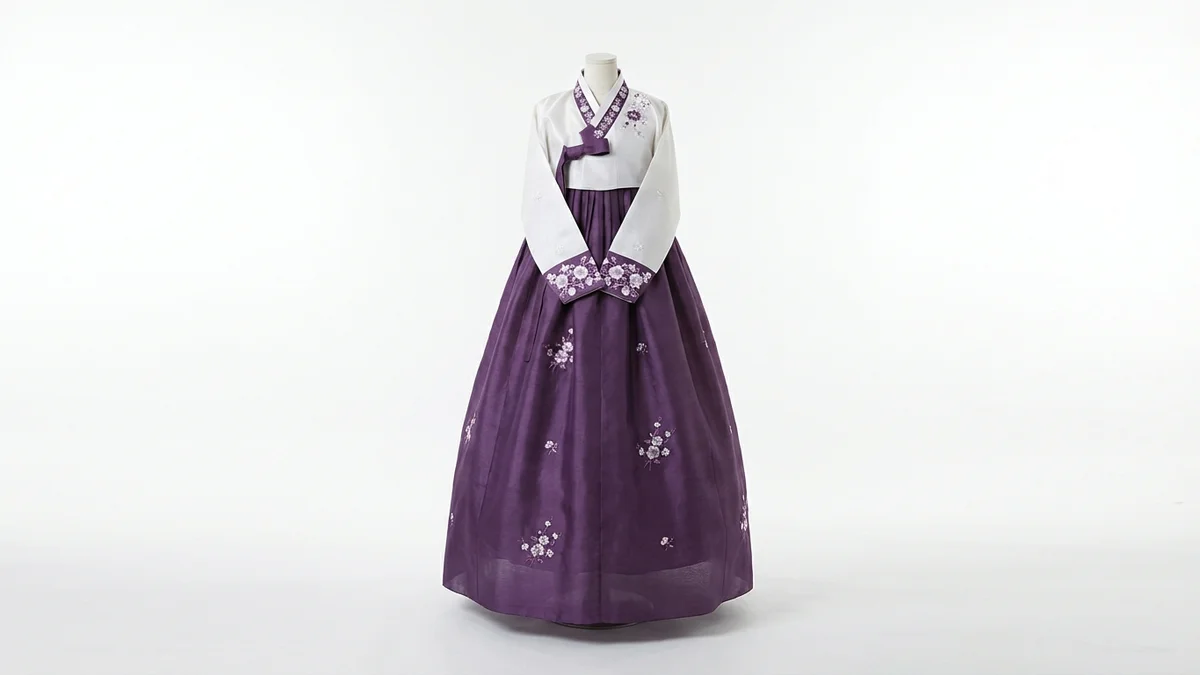
KUFEIUP Women's Korean Traditional Hanbok Dress
Beautiful traditional hanbok with floral print top and elegant mesh skirt. Features traditional ribbon ties and flowing silhouette. Perfect for cultural events, weddings, or photoshoots.
~$50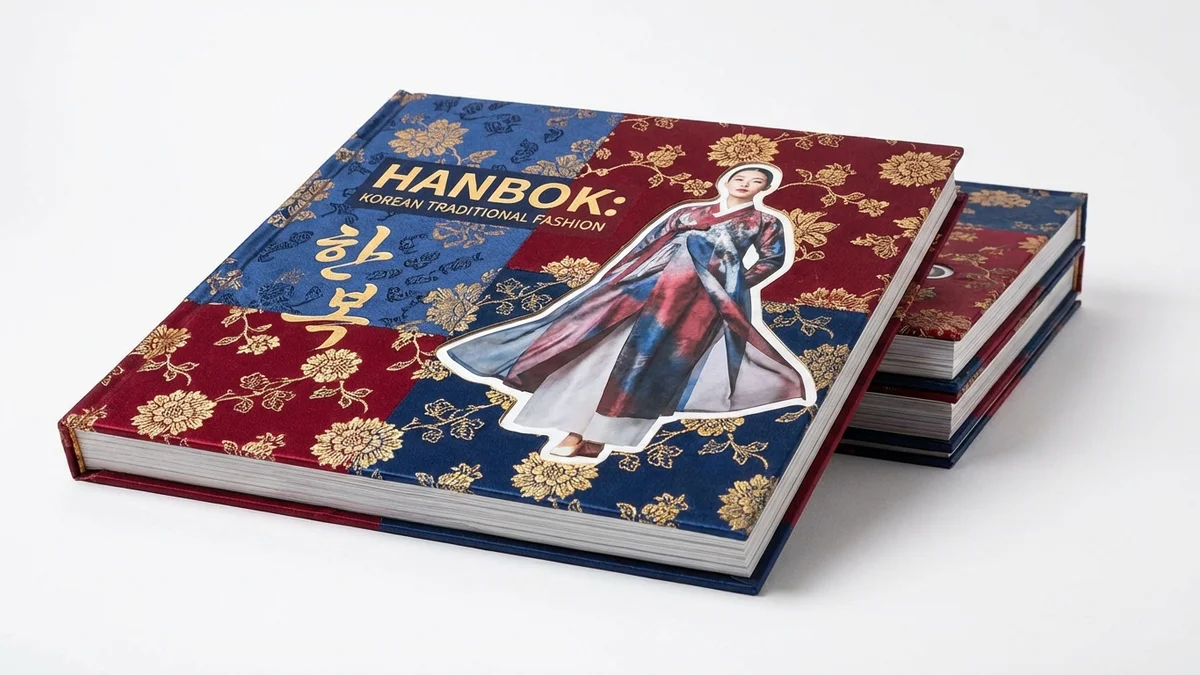
Hanbok: Timeless Fashion Tradition
Comprehensive guide to Korean traditional fashion with stunning photography. Explores the history, cultural significance, and modern evolution of hanbok design.
~$25Conclusion: Embrace Korean Traditional Fashion
Korean traditional fashion offers a window into centuries of cultural heritage. From the elegant lines of the hanbok to the meaningful color symbolism, every element tells a story. The global interest in Korean culture has made traditional fashion more accessible than ever.
Whether you're attending a Korean cultural event, planning a trip to Seoul, or simply appreciating beautiful clothing design, understanding Korean traditional fashion enriches your experience.
Ready to see how Korean traditional fashion looks on you? Try CheckMyFit's virtual try-on to experiment with different hanbok styles. Discover your perfect Korean look without leaving home. Upload your photo and start your Korean fashion journey today!