Online shopping is convenient. But returning clothes? Not so much. One in four online clothing purchases ends up back in a box, shipped to a warehouse, and often headed to a landfill.
If you want to reduce fashion returns and make smarter shopping decisions, virtual try-on technology is your new best friend. This guide explains why returns happen, how VTO works, and practical tips to shop without regrets.
The Fashion Return Problem in Numbers
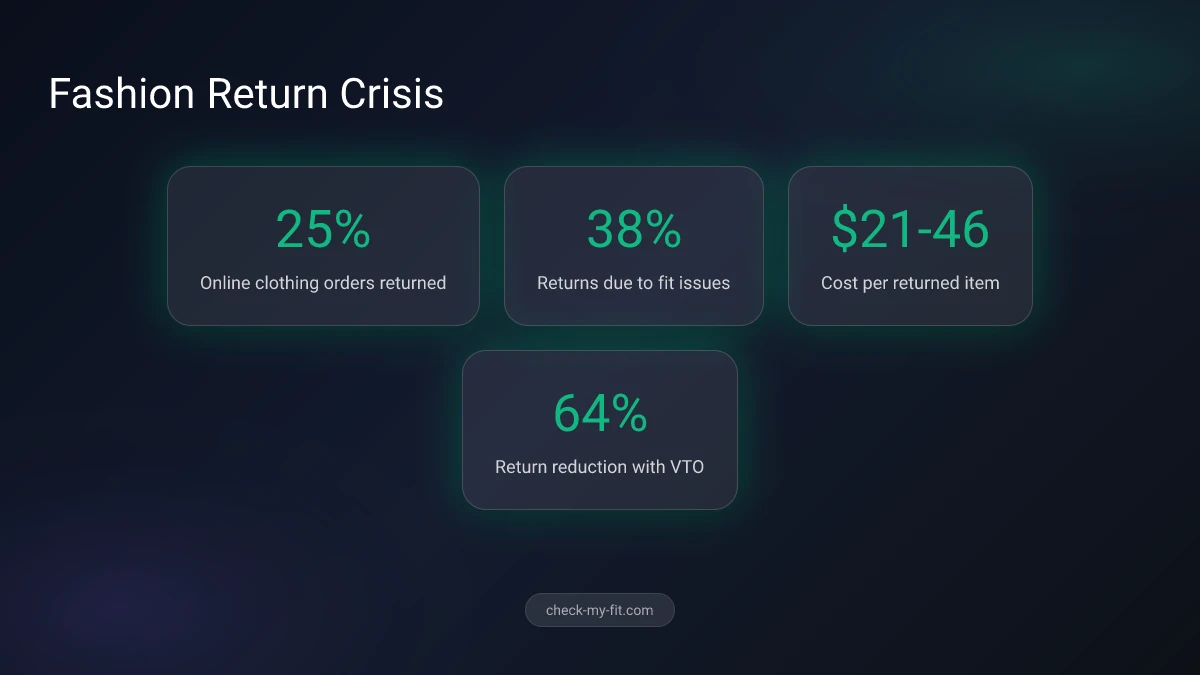
The statistics are staggering. Online apparel has a return rate between 25% and 40%. That's nearly one in three items sent back.
Here's what the data shows:
- 25% of online clothing orders get returned
- 38% of returns happen because items don't fit
- 63% of shoppers buy multiple sizes planning to return extras
- $21-46 is the cost retailers absorb per returned item
- 56% of all e-commerce returns are clothing
Compare this to in-store shopping, where return rates hover around 8-10%. The difference? You can try things on before buying.
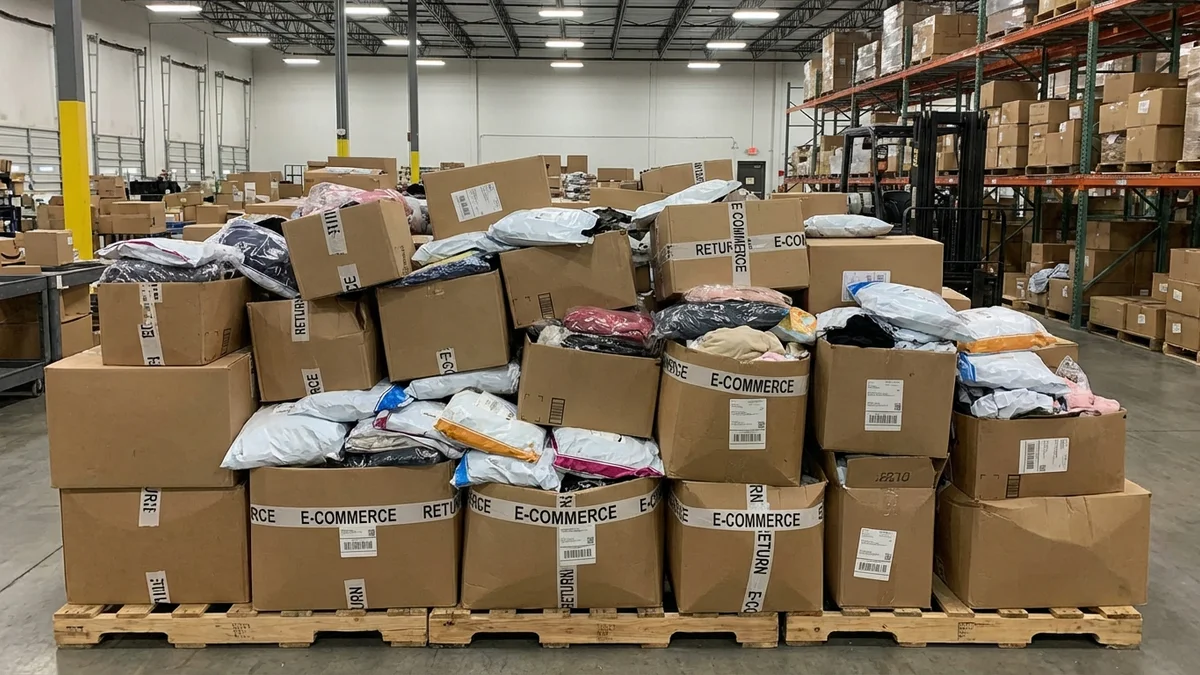
The fashion return crisis isn't just annoying. It costs retailers billions annually. And increasingly, those costs get passed to consumers through restocking fees, shorter return windows, and higher prices.
Why We Return So Many Clothes
Understanding why returns happen helps you avoid them. The reasons fall into predictable categories.
Fit Issues
Fit problems cause 38% of fashion returns. Sizes vary wildly between brands. A medium at one store fits like a large at another. Without trying clothes on, you're essentially guessing.
Unmet Expectations
The item looked different online. Colors appear off. Fabric feels cheaper than expected. Photos don't capture how something actually drapes or moves.
Bracketing Behavior
Many shoppers buy multiple sizes or styles intentionally. They treat their bedroom as a fitting room, keeping what works and returning the rest. This "try before you buy" approach shifts the cost to retailers and the environment.
Impulse Purchases
Late-night shopping sprees lead to morning regrets. Without the friction of a physical store, clicking "buy" feels effortless. The commitment comes later when the package arrives.
What Is Virtual Try-On Technology?
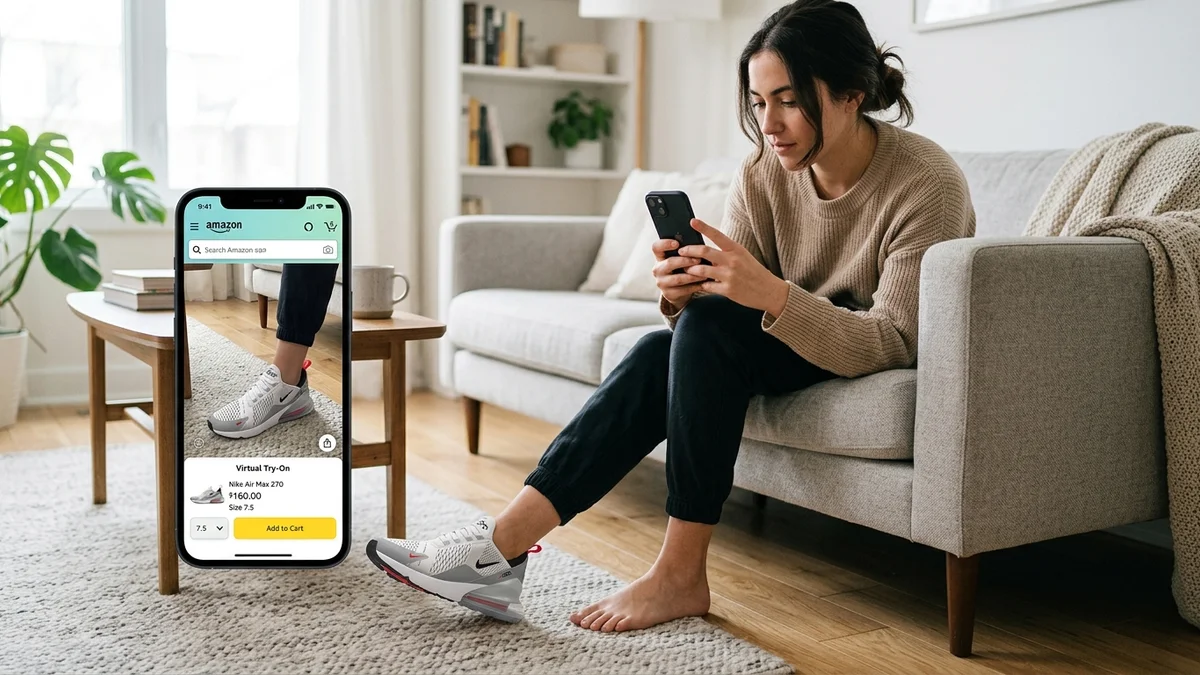
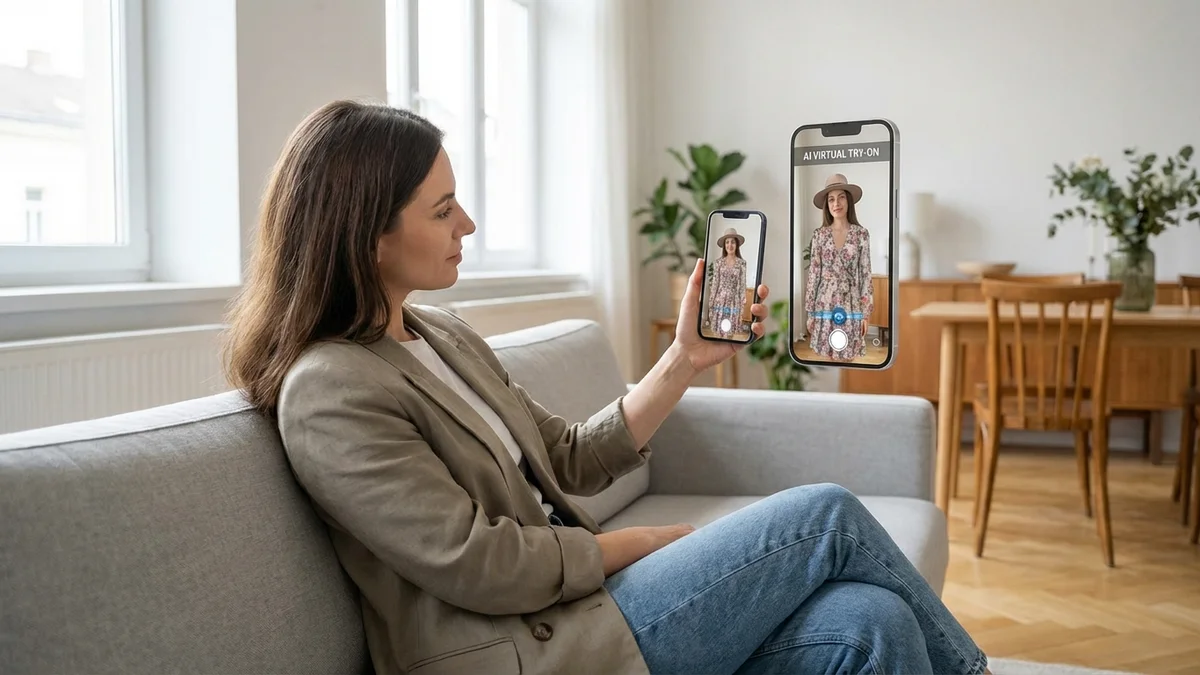
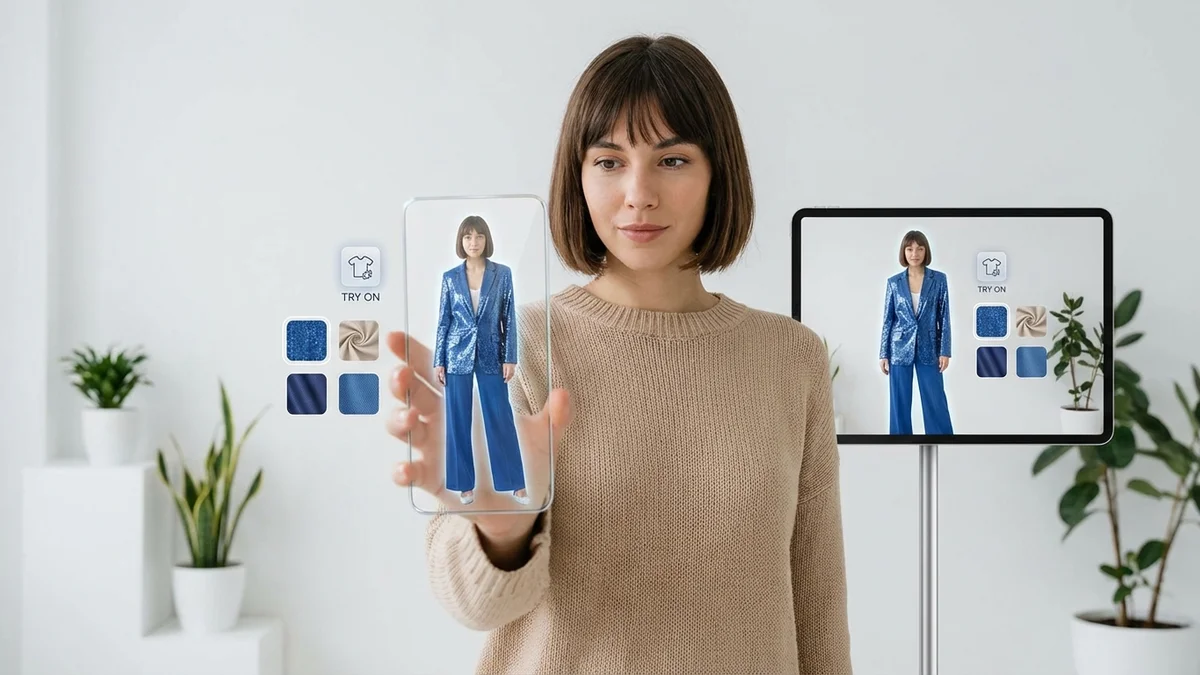
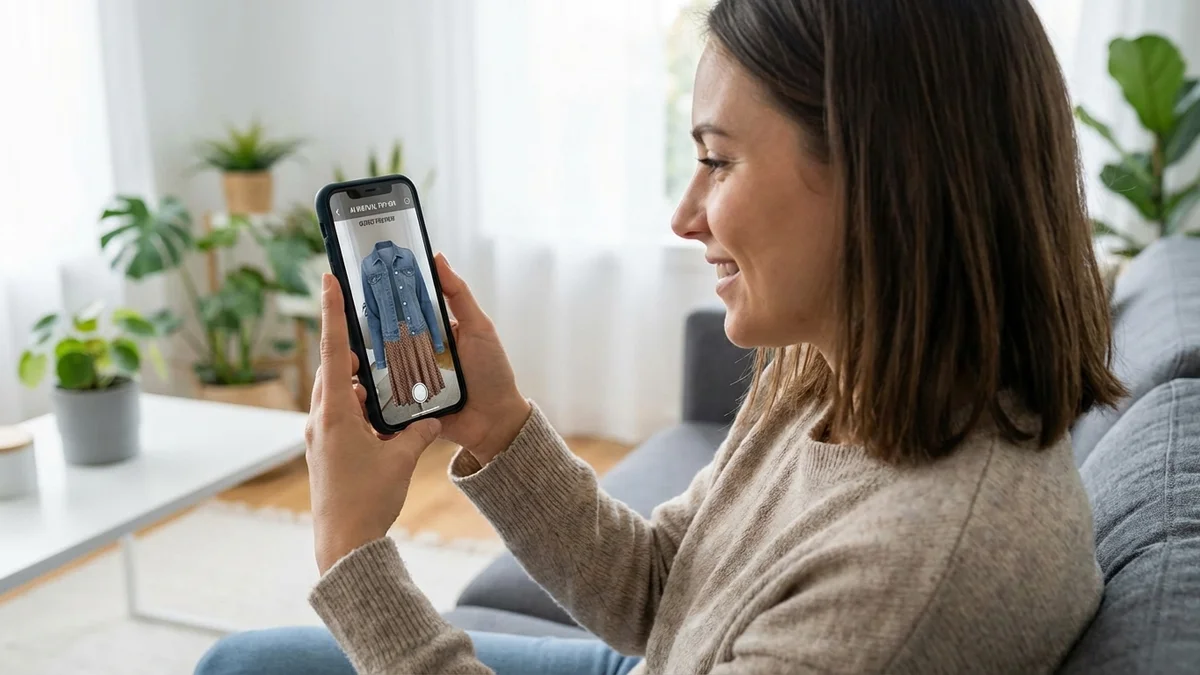
Virtual try-on (VTO) lets you see how clothes look on your body before purchasing. Using AI and augmented reality, these tools overlay garments onto your photo or a model matching your body type.
The technology has matured significantly. Early versions looked cartoonish. Today's VTO tools produce realistic images showing how fabric drapes, stretches, and fits on different body shapes.
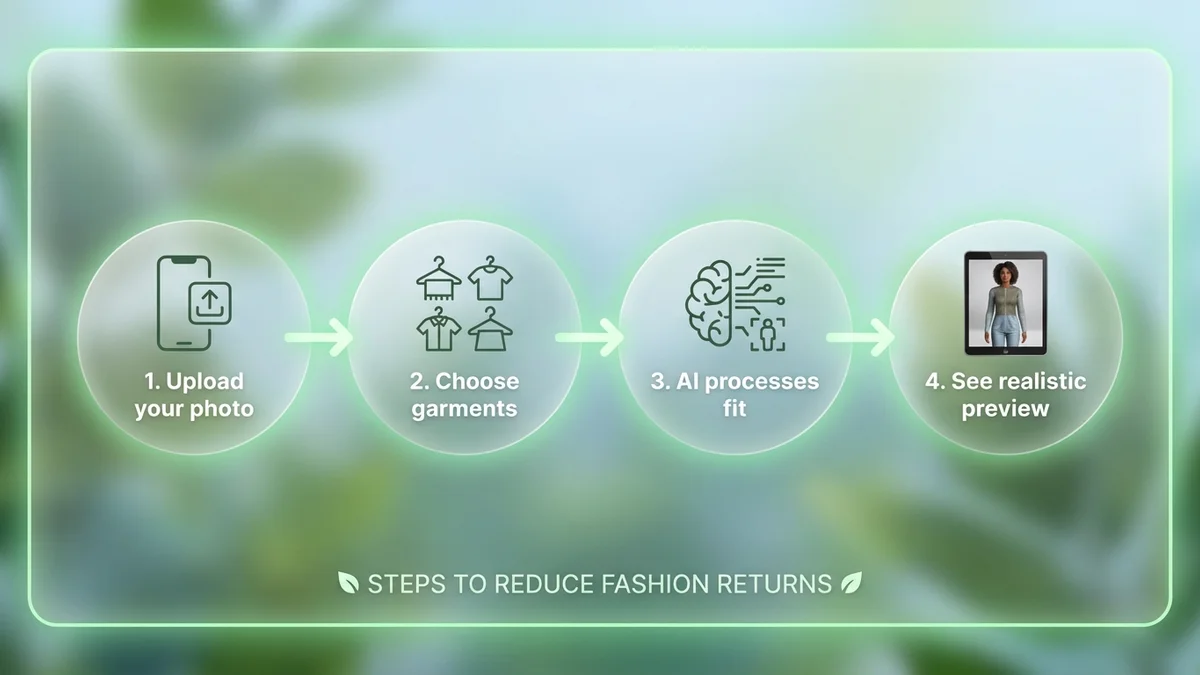
Here's how modern virtual try-on works:
- Upload a photo of yourself or select a model with similar measurements
- Choose a garment from the catalog
- AI processes the image, understanding body shape and clothing properties
- See the result showing you wearing the item realistically
Major retailers have invested heavily in this technology. Google Shopping now offers virtual try-on across billions of listings. Walmart's "Be Your Own Model" feature lets shoppers upload photos. Fashion brands from H&M to Adidas have integrated VTO into their shopping experiences.
How Virtual Try-On Reduces Returns
The connection between virtual try-on and fewer returns is direct. When you see how something looks on you before buying, you make better decisions.
Better Fit Visualization
VTO shows garment proportions on your specific body type. You can see if sleeves hit at the right length, if a neckline flatters your shape, or if a silhouette works for your frame.
Realistic Fabric Behavior
Advanced VTO systems simulate how different materials behave. Silk drapes differently than denim. The AI captures these nuances, giving you a more accurate preview than flat product photos.
Confidence in Decisions
Seeing yourself in an outfit builds purchase confidence. You're not imagining or hoping. You're seeing. That confidence translates to fewer "what was I thinking?" moments when packages arrive.
The Data Backs It Up
Studies show virtual try-on reduces returns significantly:
- Fashion retailers report 64% fewer returns with VTO
- Size-related returns drop by 12-22%
- Conversion rates increase up to 400%
- Customer engagement rises by 47%
These numbers explain why the virtual fitting room market is projected to hit $14.86 billion by 2030.
Tips to Avoid Fashion Returns When Shopping Online
Virtual try-on is powerful, but combine it with smart shopping habits for best results.
Know Your Measurements
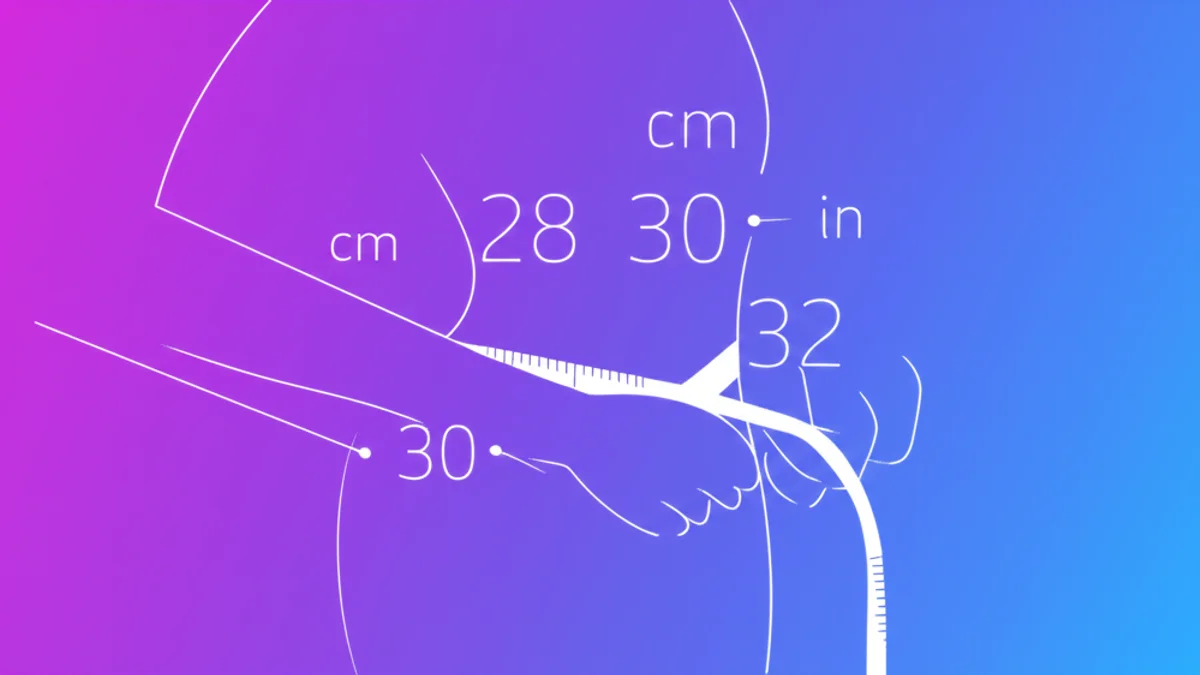
Measure yourself properly. Keep a note with your bust, waist, hip, and inseam measurements. Compare these to size charts rather than relying on your "usual" size.
Read Reviews for Fit Insights
Customer reviews often mention fit specifics. "Runs small," "size up," or "true to size" feedback from real buyers beats generic descriptions.
Check the Fabric Composition
Material matters for fit and feel. A 95% polyester top will fit and wear differently than 100% cotton. Look for fabric details before purchasing.
Use Virtual Try-On Tools
Take advantage of VTO when available. Upload your photo. Try different sizes. Compare options side by side. The few extra minutes save hassle later.
Stick to Brands You Know
If you've found brands that fit your body well, prioritize them. Brand loyalty reduces sizing surprises.
Avoid Impulse Buying
Sleep on non-essential purchases. If you still want that jacket tomorrow, buy it then. Waiting eliminates regret purchases.
The Environmental Impact of Fashion Returns
Fashion returns aren't just inconvenient. They're an environmental problem.
Carbon Footprint of Returns
Every return means additional shipping. The package travels from you to a processing center, gets inspected, and either gets restocked, resold, or discarded. That's trucks, planes, and fuel.
Landfill Reality
Many returned items never get resold. Processing costs often exceed the item's value. The result? Billions of pounds of clothing end up in landfills annually.
Resource Waste
Returns waste the water, energy, and materials used to manufacture garments. A returned shirt still consumed resources in its production. Those resources are lost when the item gets discarded.
Sustainability Through Better Shopping
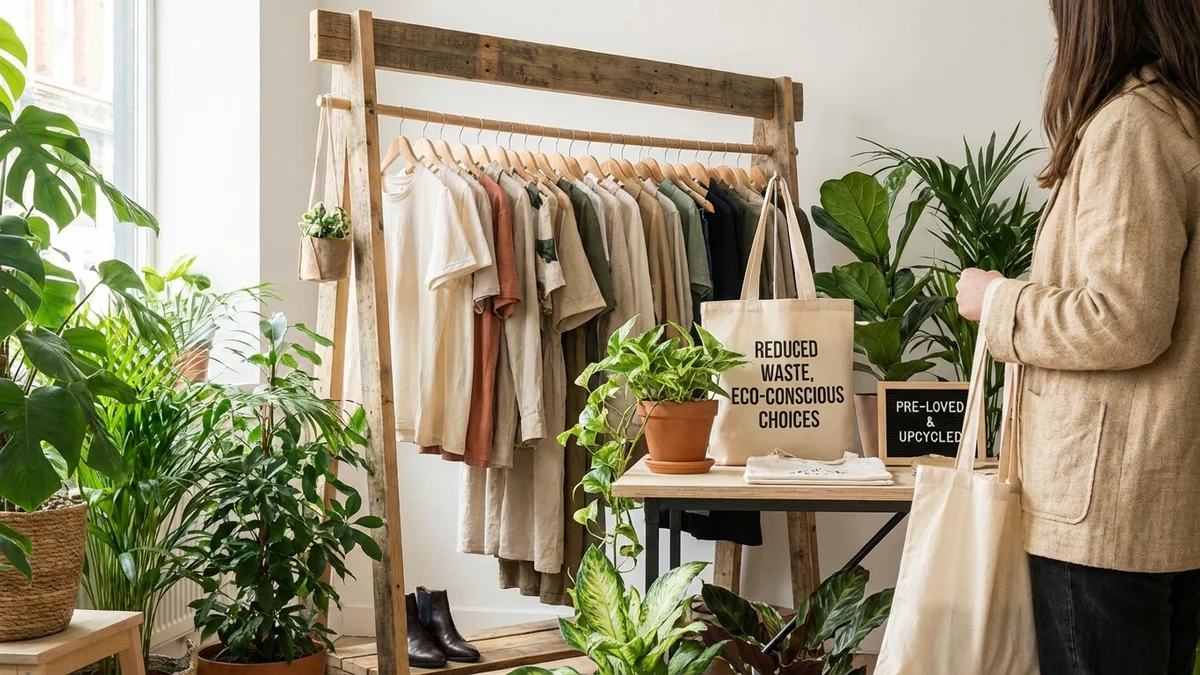
Reducing returns is an act of sustainability. Every item you keep means one less package shipped, one less garment potentially wasted, and one less contribution to fashion's environmental impact.
Virtual try-on technology serves sustainability goals by helping consumers make better first-time decisions. Fewer returns means lower carbon emissions, less waste, and more efficient use of fashion resources.
Try Before You Buy with CheckMyFit
Virtual try-on technology is transforming how we shop online. Instead of guessing and returning, you can see and decide.
CheckMyFit offers free AI-powered virtual try-on. Upload your photo, select clothing items, and see realistic results in seconds. No app download required. No account needed.
Whether you're shopping for a special occasion or updating your everyday wardrobe, virtual try-on helps you:
- Shop with confidence knowing how items will look
- Save money by avoiding returns and shipping costs
- Reduce waste by keeping what you buy
- Save time skipping the return process
The future of fashion shopping is here. Stop returning. Start trying on virtually.
Recommended Products for Smarter Shopping
Keep your clothes looking perfect and reduce unnecessary returns with these essentials:
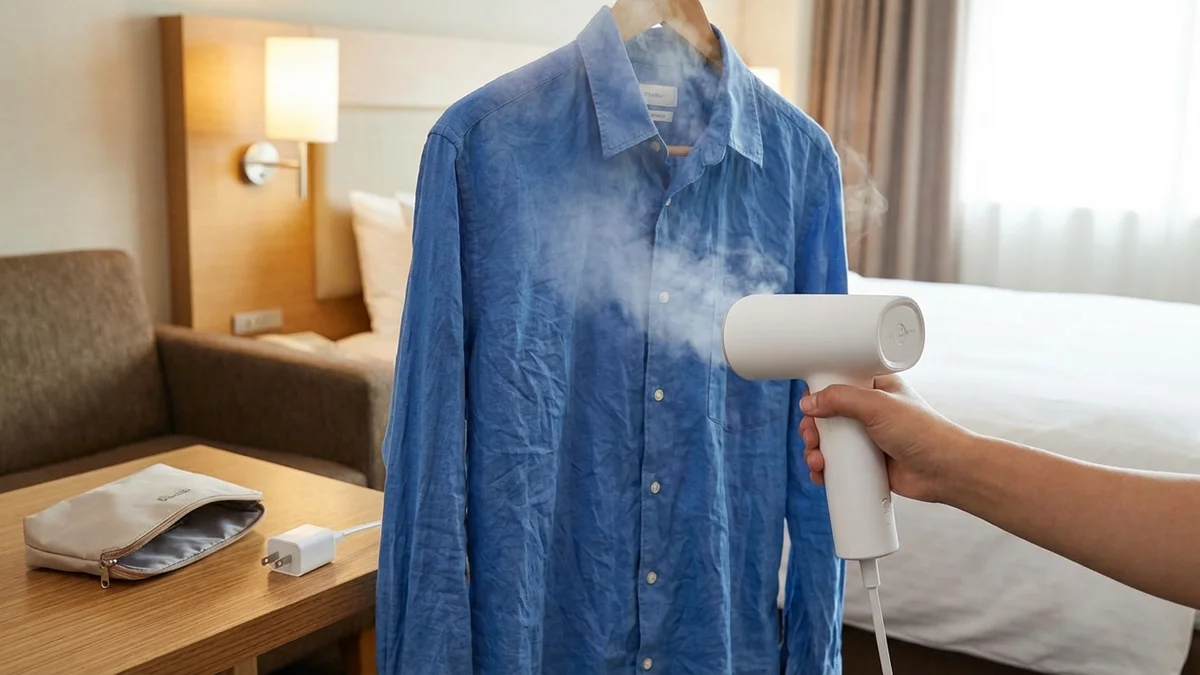
HiLIFE Portable Garment Steamer
Keep your clothes wrinkle-free without the hassle. Perfect for refreshing garments before trying them on or preparing for virtual try-on photos. Gentle on all fabrics.
$23.14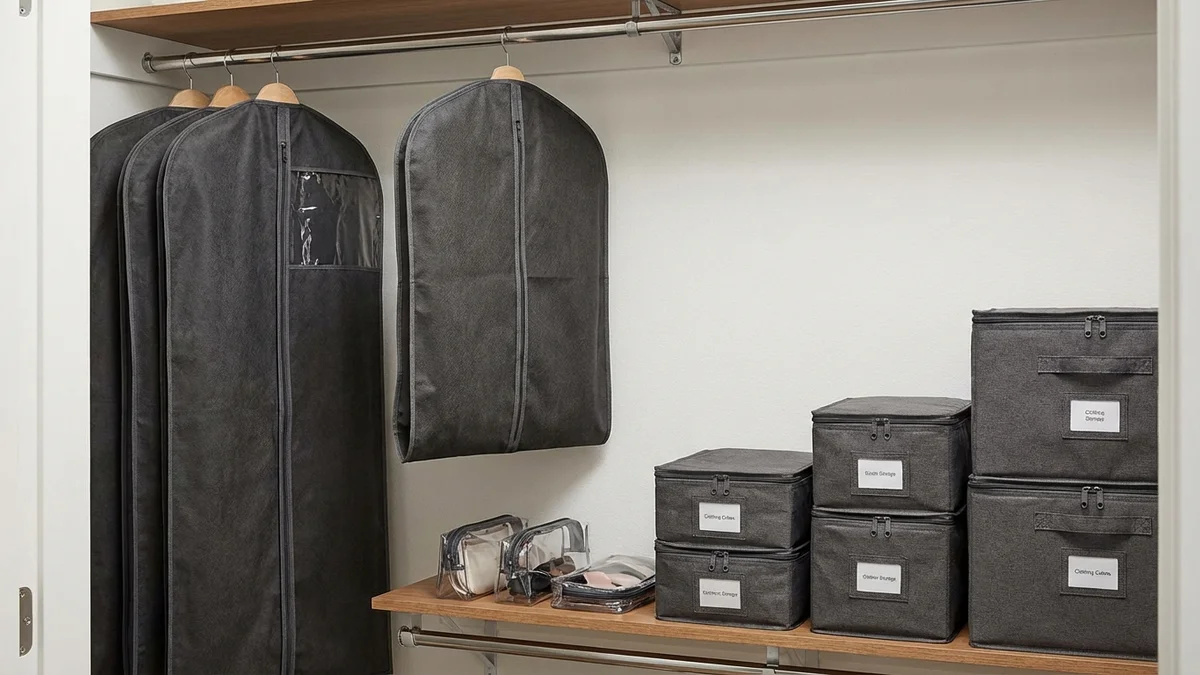
Amazon Basics Garment Storage Bags (5-Pack)
Protect your investments. These zippered PEVA garment bags keep your clothes dust-free and organized, ensuring items you keep stay in perfect condition.
~$15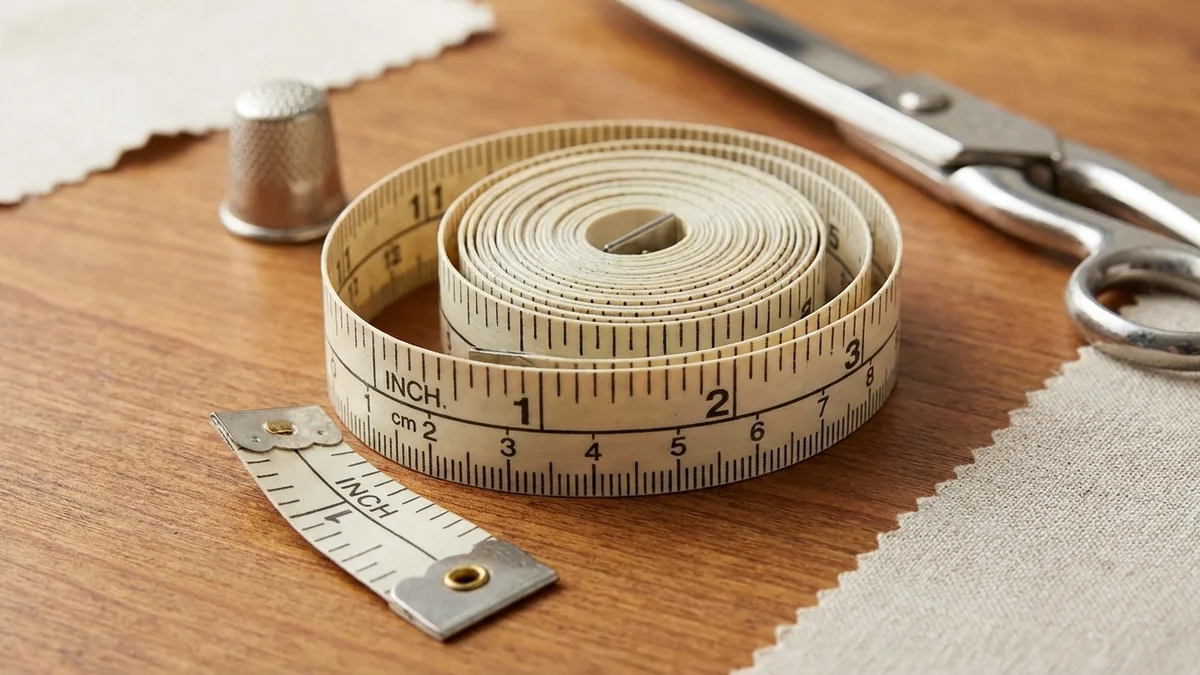
Soft Measuring Tape – Body Measurements
Know your exact measurements before ordering online. Compare to size charts to choose the right size the first time and avoid fit-related returns.
$5.99Ready to shop smarter? Try CheckMyFit free and see the difference virtual try-on makes.