Ordering clothes online should be exciting. Instead, it often ends with disappointment. The jeans are too tight. The shirt hangs like a tent. The dress looked nothing like the photo.
The problem isn't you. It's that finding your clothing size online is genuinely confusing. Sizes vary wildly between brands, countries use different systems, and flat product photos hide how garments actually fit.
This guide gives you everything you need to shop with confidence. You'll learn how to measure yourself correctly, decode size charts, and use modern AI tools that take the guesswork out of online shopping.
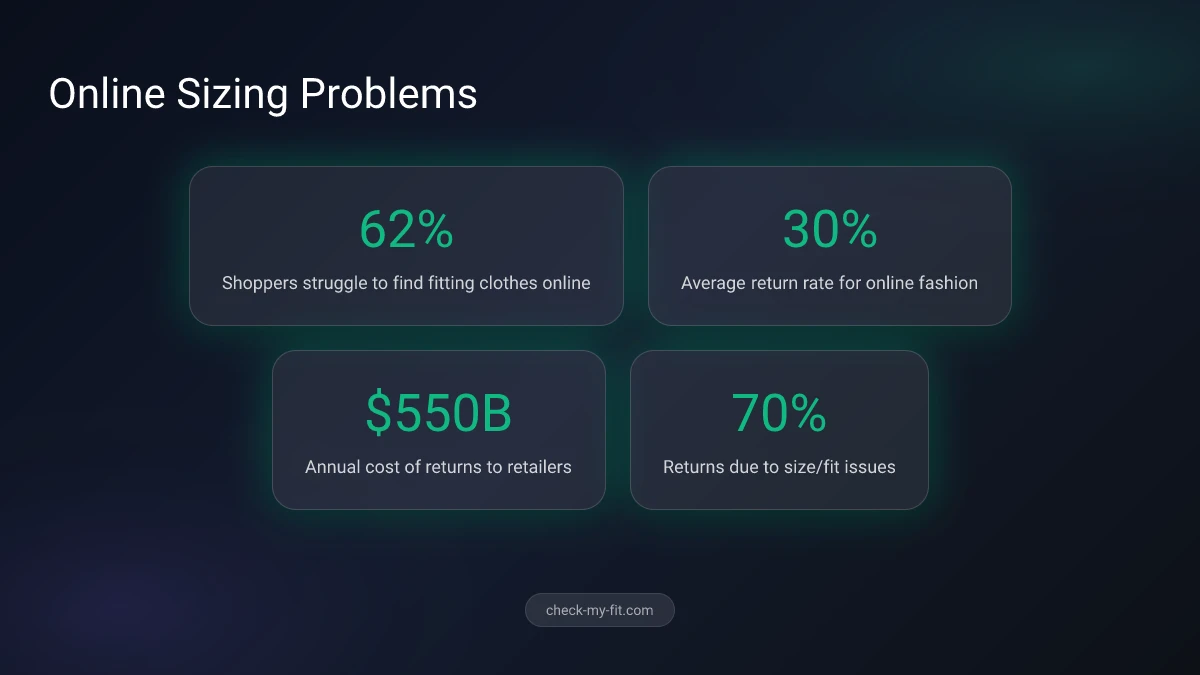
Why Online Sizing Is So Confusing
Before you blame yourself for ordering the wrong size, understand that the system is broken.
No Universal Standard
A size 10 at Zara isn't the same as a size 10 at H&M. Each brand creates its own size chart based on their target customer. Some brands run small. Others run large. Many don't tell you which way they lean.
Vanity Sizing
Brands often label clothes smaller than they actually are. That "size 6" might fit like a traditional size 8. This flatters customers but creates chaos when comparing across brands.
International Differences
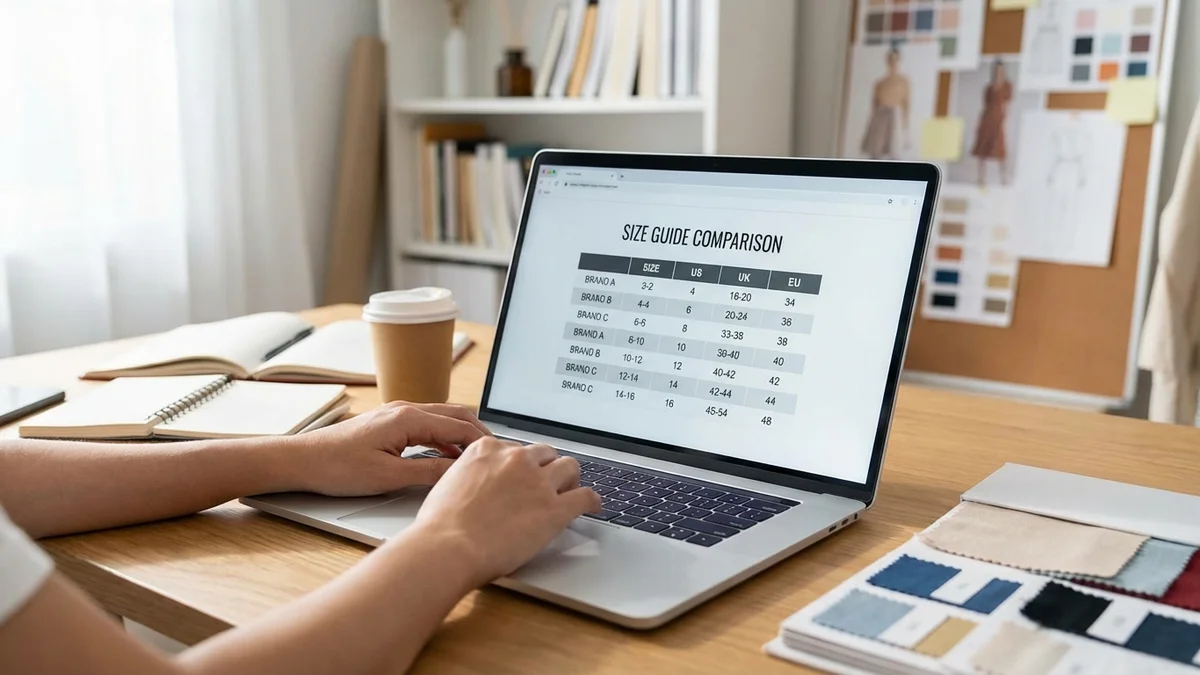
US, UK, and EU sizes use completely different numbering systems. A US size 8 equals a UK size 12 and an EU size 40. Without conversion knowledge, ordering internationally becomes a lottery.
Inconsistent Fit Descriptions
"Regular fit," "slim fit," and "relaxed fit" mean different things to different brands. One company's slim fit might be another's regular. These vague terms add another layer of uncertainty.
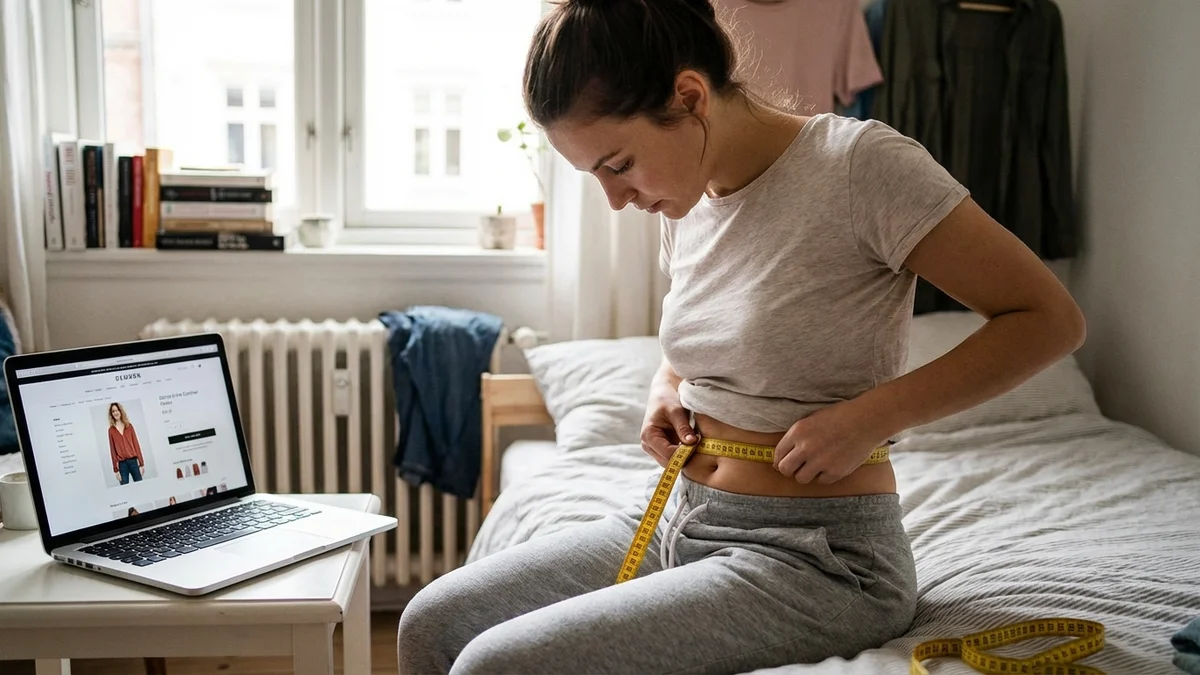
Essential Measurements You Need to Know
Forget what size you "usually" wear. Your actual body measurements are the only reliable guide to finding clothes that fit.
The Four Key Measurements
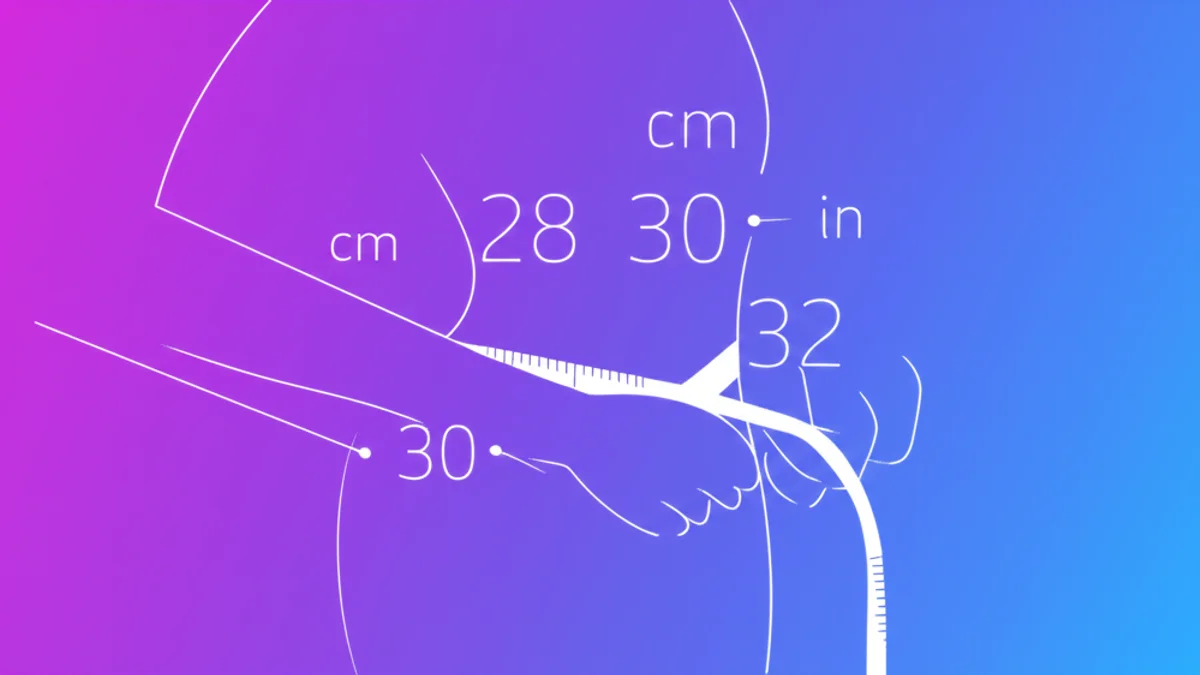
Bust/Chest: The circumference around the fullest part of your chest. For accurate results, measure while wearing a normal bra (not padded). Keep the tape parallel to the floor.
Waist: Measure your natural waist, not where your pants sit. Find it by bending sideways—the crease that forms is your natural waistline. This is typically the narrowest part of your torso, above your belly button.
Hips: Wrap the tape around the widest part of your hips and buttocks. Stand with feet together for consistency. This measurement is crucial for pants, skirts, and dresses.
Inseam: The distance from your crotch to where you want your pants to end. Measure along the inside of your leg. Having someone help makes this easier and more accurate.
Additional Measurements for Better Fit
- Shoulders: Measure from shoulder tip to shoulder tip across your back. Essential for blazers and structured tops.
- Arm length: From shoulder to wrist. Important for long-sleeved shirts and jackets.
- Torso length: From shoulder to waist. Helps with bodysuits and one-piece garments.
How to Measure Yourself Correctly
Getting accurate measurements requires proper technique. Small errors lead to poorly fitting clothes.
Tools You'll Need
A soft measuring tape (tailor's tape) works best. If you don't have one, use a non-stretchy string or ribbon, then measure it against a ruler.
Step-by-Step Process
- Wear fitted clothing or underwear. Bulky layers will skew your measurements.
- Stand naturally. Don't suck in your stomach or puff out your chest. Breathe normally throughout.
- Keep the tape level. For horizontal measurements, the tape should be parallel to the floor all the way around.
- Snug but not tight. The tape should touch your body without compressing it. You should be able to slip a finger underneath.
- Measure twice. Take each measurement at least twice to confirm accuracy.
Pro Tips for Better Results
- Measure at the same time of day. Bodies fluctuate slightly throughout the day.
- Write down your measurements and store them in your phone's notes app.
- Update measurements every 6-12 months or after significant body changes.
- Measure your best-fitting clothes too. Compare their flat measurements to size charts for reference.
Understanding Size Charts Across Brands
Once you have your measurements, you need to translate them into each brand's sizing system.
How to Read a Size Chart
Most online stores include size charts on their product pages. Look for a link near the size selector, often labeled "Size Guide" or "Fit Guide."
Size charts typically show measurement ranges for each size. For example:
- Size S: Bust 34-36", Waist 26-28", Hips 36-38"
- Size M: Bust 36-38", Waist 28-30", Hips 38-40"
Compare your measurements to these ranges. If you fall between sizes, consider the garment type. Size up for structured items. Size down for stretchy fabrics.
International Size Conversion
| US | UK | EU | Description |
|---|---|---|---|
| 4 | 8 | 36 | Extra Small |
| 6 | 10 | 38 | Small |
| 8 | 12 | 40 | Medium |
| 10 | 14 | 42 | Medium-Large |
| 12 | 16 | 44 | Large |
| 14 | 18 | 46 | Extra Large |
Note: These are general guidelines. Always check the specific brand's size chart.
Red Flags to Watch For
- Missing size charts: Proceed with caution if a store doesn't provide measurements.
- Incomplete information: Charts that only show one measurement aren't enough.
- No model size reference: Good stores tell you what size the model is wearing.
AI Tools That Find Your Size For You
Technology has made finding your size dramatically easier. AI-powered tools can now analyze your body and recommend sizes with impressive accuracy.
How AI Sizing Works
Modern sizing tools use machine learning trained on millions of body measurements and purchase data. They identify patterns between body types and how clothes fit across different brands.
Some tools use:
- Quiz-based recommendations: Answer questions about your height, weight, and fit preferences.
- Photo analysis: Upload a photo and AI estimates your measurements.
- Purchase history: Learn from what sizes you've bought and returned.
Popular AI Sizing Tools
Fit Finder apps integrate directly into retail websites, offering personalized size recommendations based on your profile and past purchases.
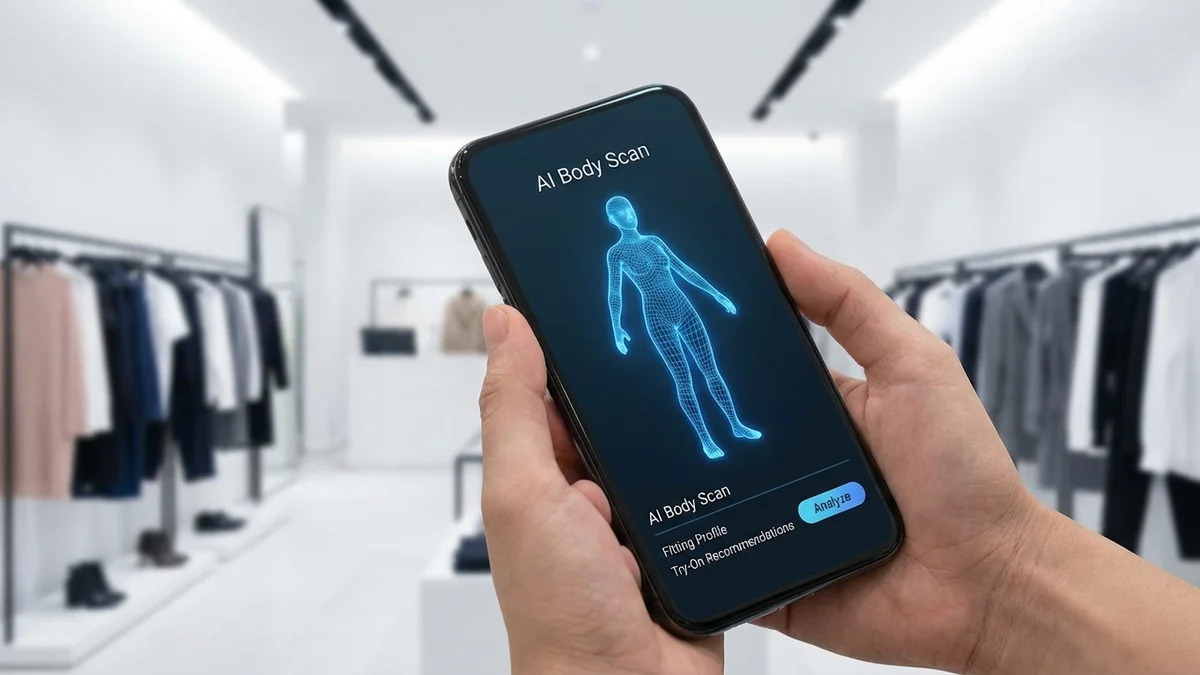
Body scanning apps use your phone's camera to capture accurate measurements. Some achieve accuracy within 1 centimeter.
Browser extensions automatically detect size charts and overlay your saved measurements for instant recommendations.
Benefits of AI Sizing
- Eliminates manual measuring for every purchase
- Accounts for brand-specific variations
- Learns and improves recommendations over time
- Reduces return rates significantly
Virtual Try-On: See Before You Buy
The ultimate solution to online sizing uncertainty? Seeing clothes on your body before you order.
How Virtual Try-On Works
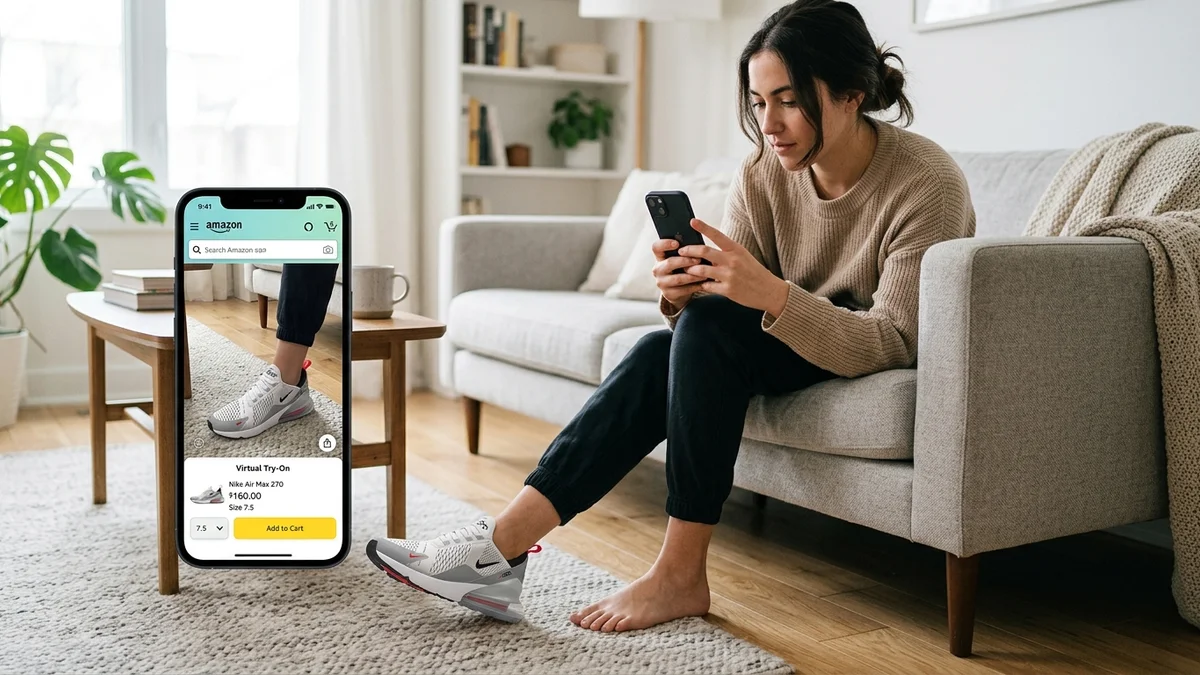
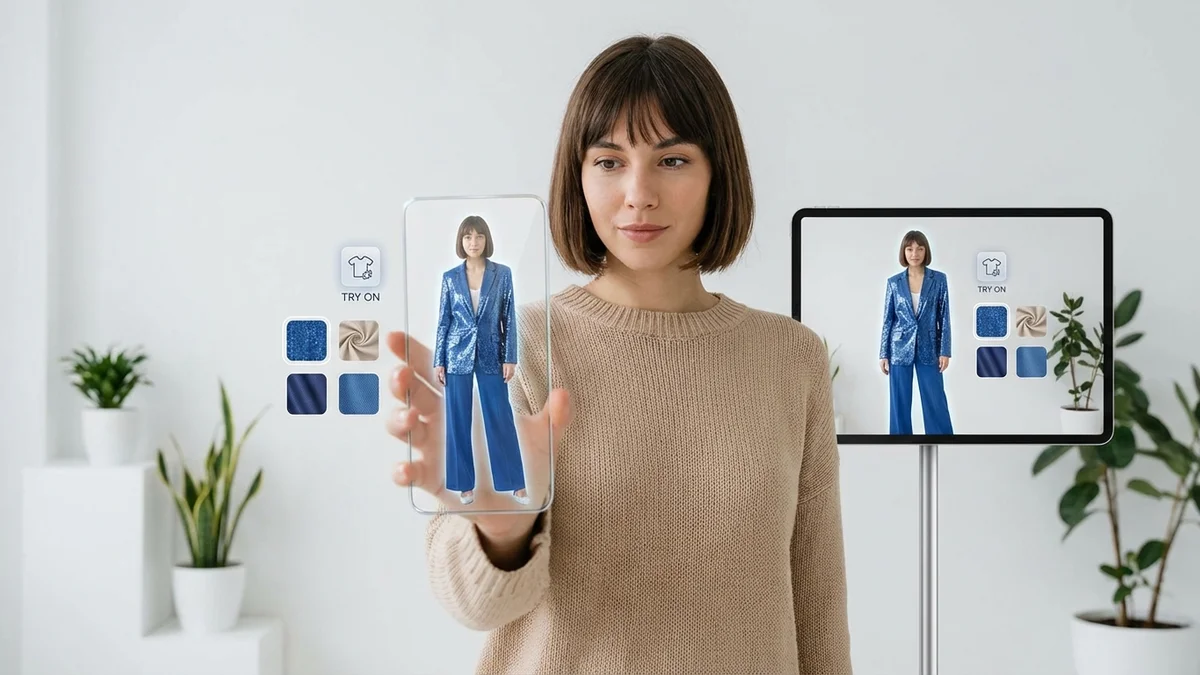
Virtual try-on technology uses AI to overlay garments onto images of real people. You upload a photo of yourself, select a clothing item, and see a realistic preview of how it looks on your body.
Advanced systems understand:
- How different fabrics drape and stretch
- Body proportions and how clothes fit different shapes
- Lighting and realistic rendering
Beyond Size: Understanding Fit
Virtual try-on goes beyond just sizing. It shows you:
- Proportion: Does this length work for your height?
- Silhouette: How does this cut look on your body type?
- Style match: Does this piece suit your overall look?
This visual confirmation builds confidence that no size chart can provide.
The Rise of Try-Before-You-Buy
Major retailers are investing heavily in virtual try-on. Google Shopping now offers it across billions of listings. Fashion brands from fast fashion to luxury are integrating the technology into their apps.
The reason is simple: virtual try-on reduces returns by up to 64% while increasing customer satisfaction.
Shop Smarter with CheckMyFit
You now have multiple strategies for finding your perfect size online:
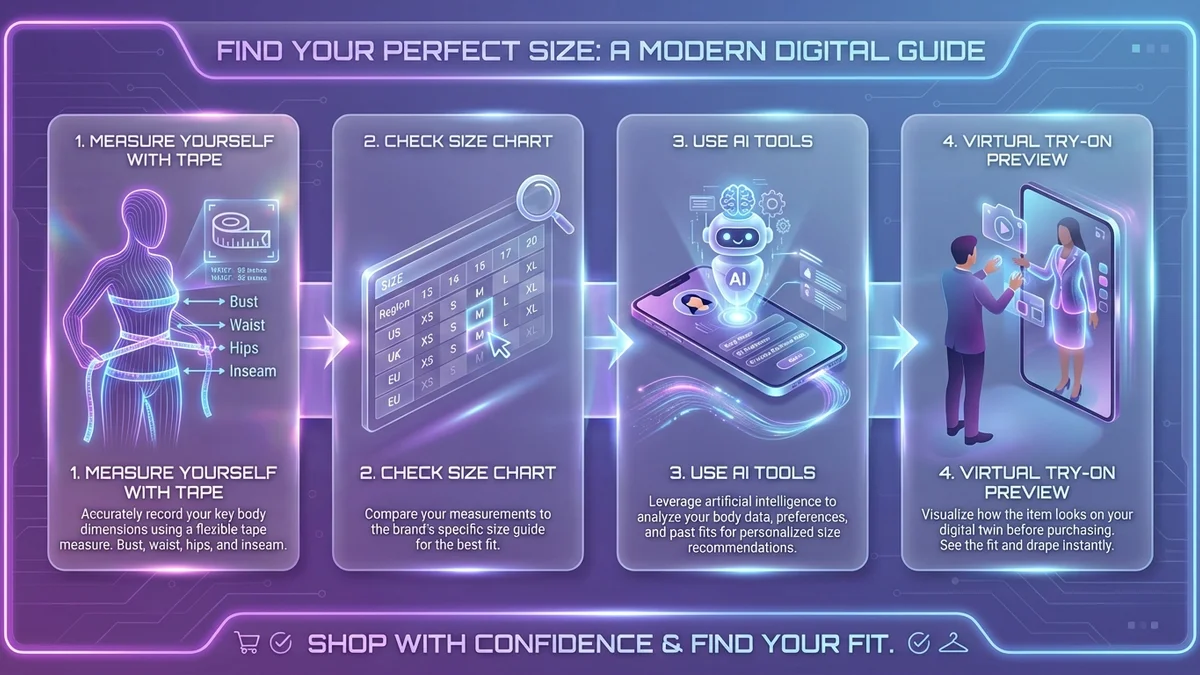
- Know your measurements: Take accurate bust, waist, hip, and inseam measurements.
- Read size charts carefully: Don't assume sizes are consistent across brands.
- Use AI tools: Let technology match your body to the right size.
- Try virtually: See clothes on yourself before purchasing.
CheckMyFit combines these approaches into one simple tool. Upload your photo, select any clothing item, and see exactly how it looks on you. No measuring tape required. No size chart confusion.
Whether you're shopping for everyday basics or a special occasion outfit, virtual try-on eliminates the guesswork. You'll know exactly what you're getting before you click "buy."
Recommended Measuring Tools
Get accurate measurements every time with these essential tools:
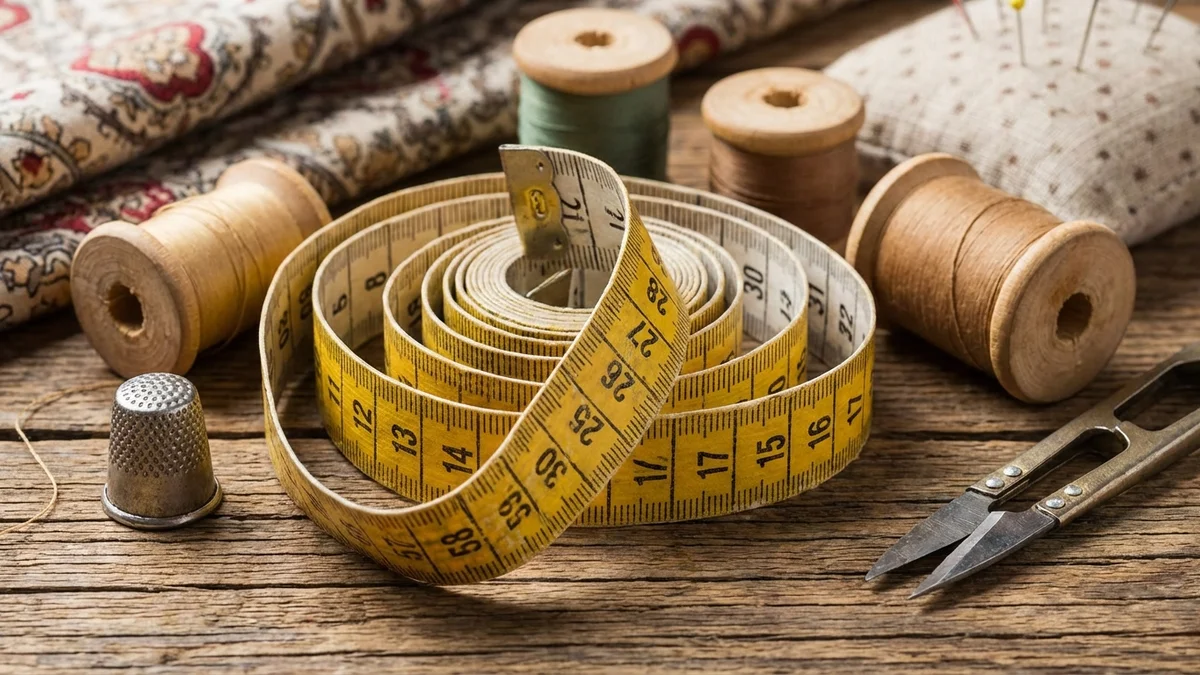
Soft Measuring Tape – Tailor's Essential
The most important tool for finding your size. This flexible fabric tape wraps comfortably around your body for accurate bust, waist, and hip measurements.
$5.99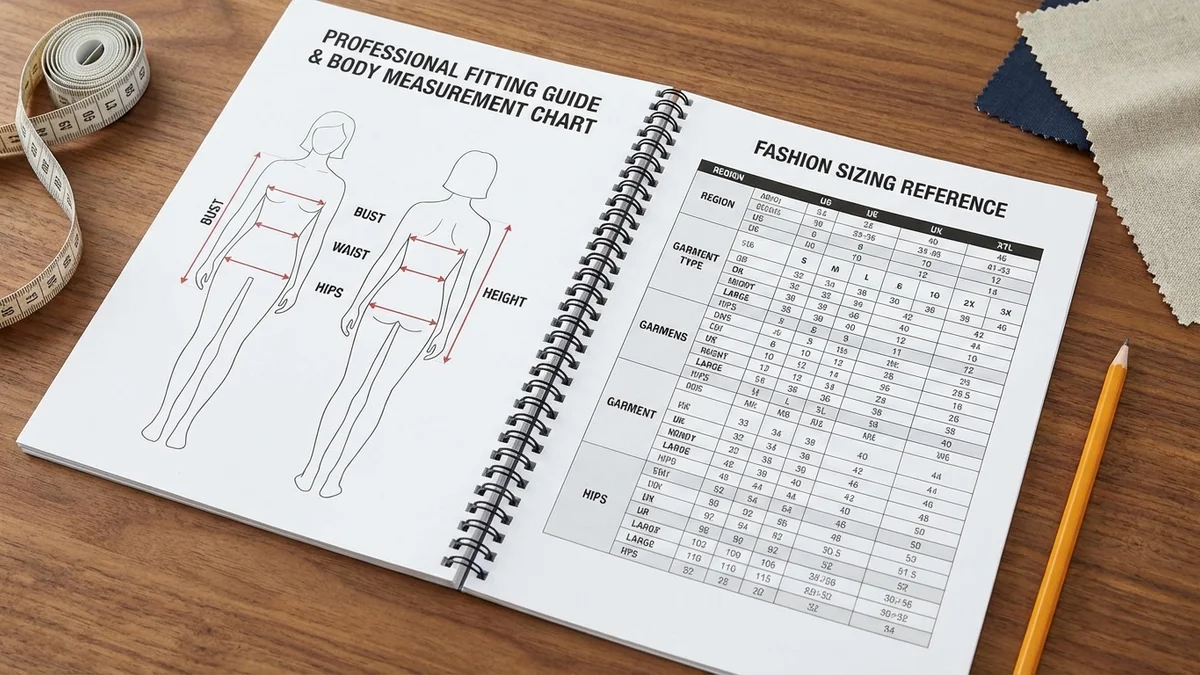
Body Measurement & Sizing Guide
Comprehensive reference for understanding how to measure yourself correctly and interpret size charts across different brands and international sizing systems.
$10.99
Portable Garment Steamer
Once you find clothes that fit, keep them looking perfect. This lightweight steamer removes wrinkles from all fabric types, ensuring your well-fitted clothes always look their best.
$23.14Ready to stop returning clothes that don't fit? Try CheckMyFit free and experience the future of online shopping.