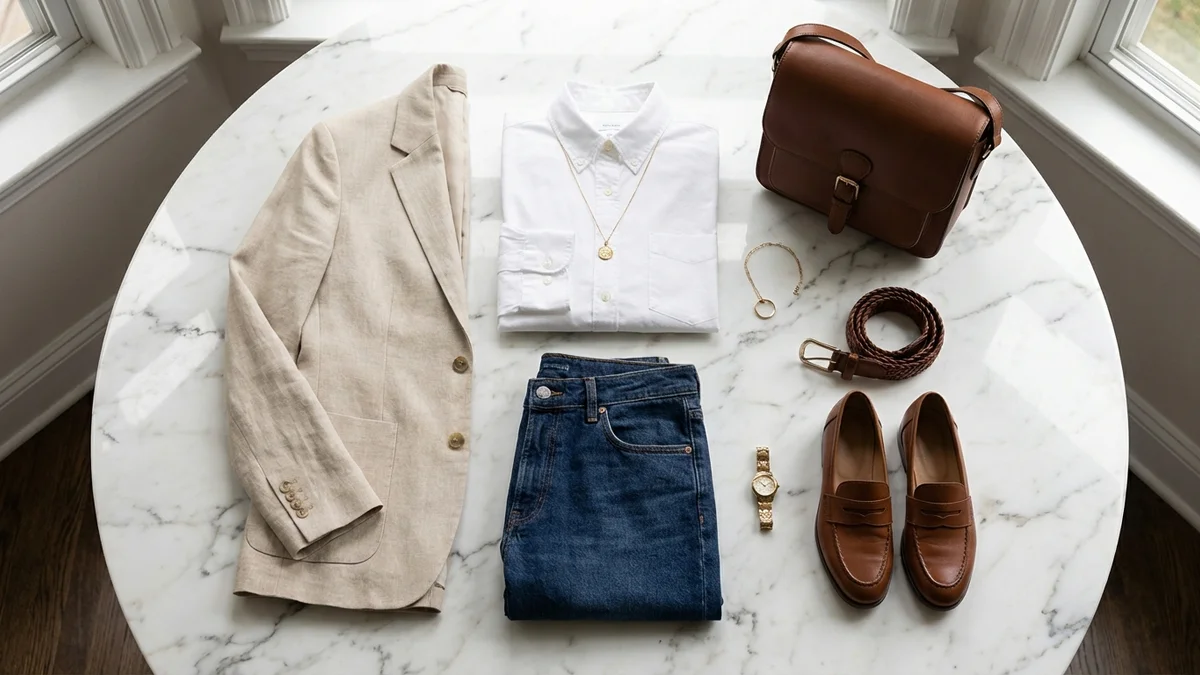
How to Match Outfits Like a Pro: The Complete Style Guide
Learning how to match outfits is a skill that transforms your entire wardrobe. You don't need an endless closet or designer labels. You need the right techniques to combine pieces that work together harmoniously.
This guide breaks down everything you need to know about outfit matching. From color theory to pattern mixing, you'll discover practical methods that make getting dressed effortless.
What Does It Mean to Match Outfits?
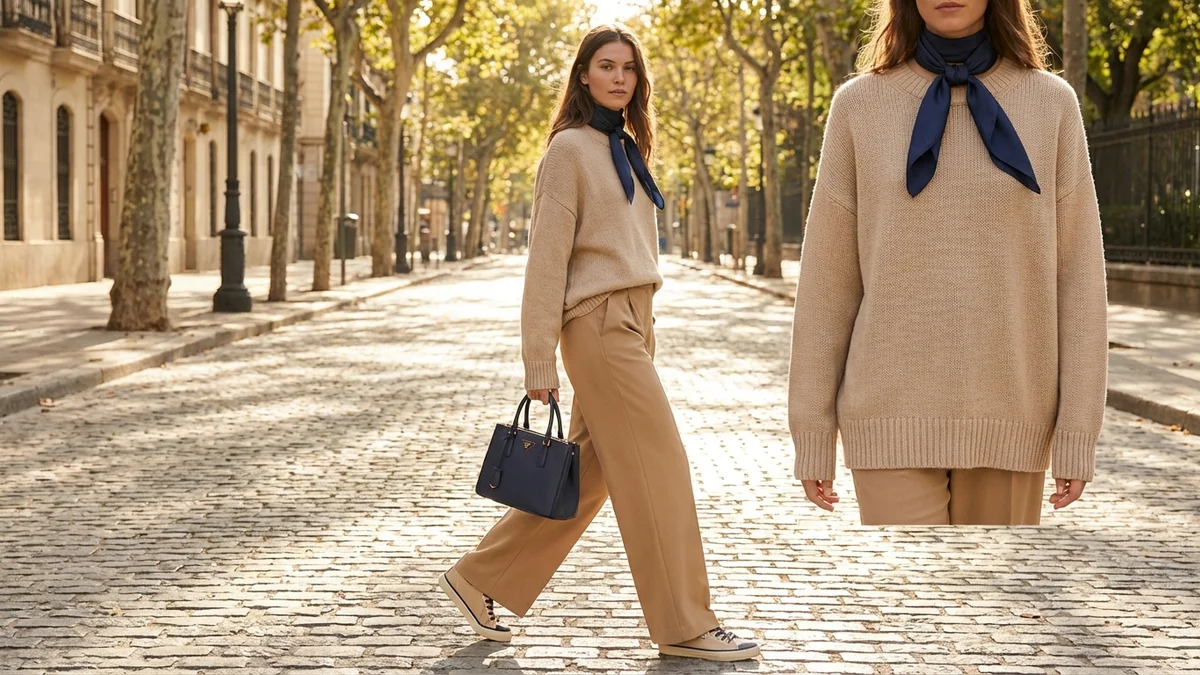
Matching outfits goes beyond wearing clothes that don't clash. It's about creating a cohesive look where every piece enhances the others.
A well-matched outfit considers:
- Color harmony between all visible pieces
- Proportion balance from head to toe
- Texture variety that adds visual interest
- Style consistency that tells a unified story
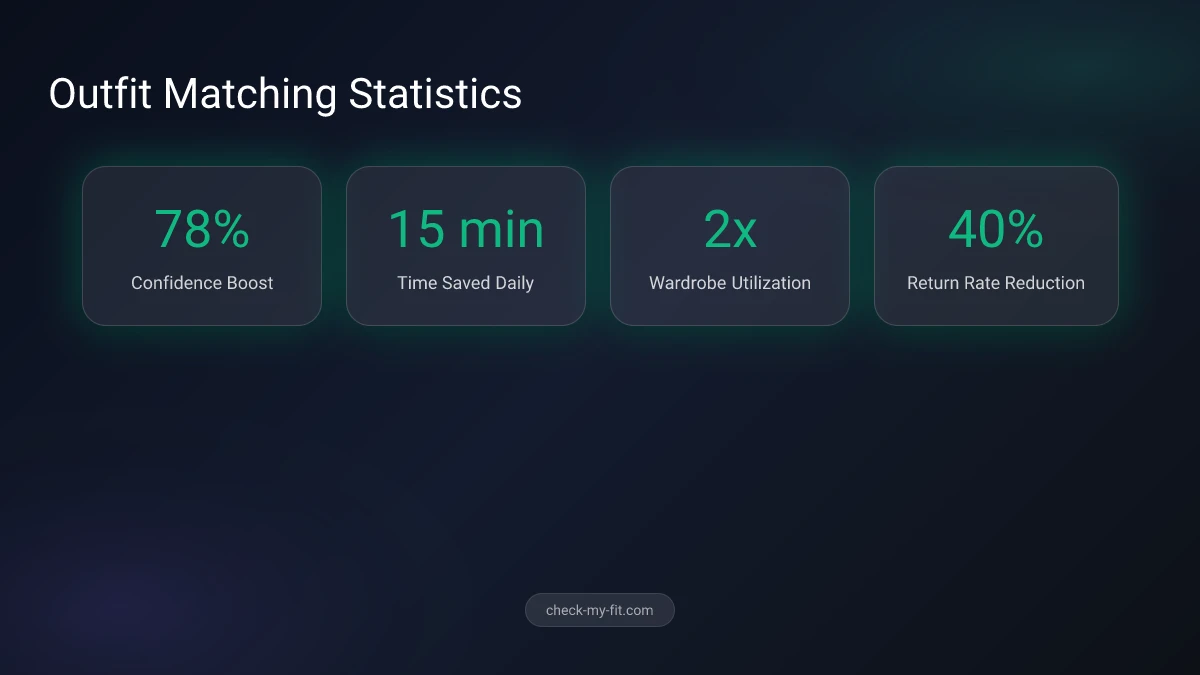
78% of people say their confidence increases when wearing a well-coordinated outfit.
Key Takeaway: Matching outfits isn't about following strict rules. It's about understanding principles that help you make intentional choices.
The best-dressed people rarely wear "matching" colors. Instead, they coordinate complementary tones that create visual balance without looking like a uniform.
The Science of Color Matching in Fashion
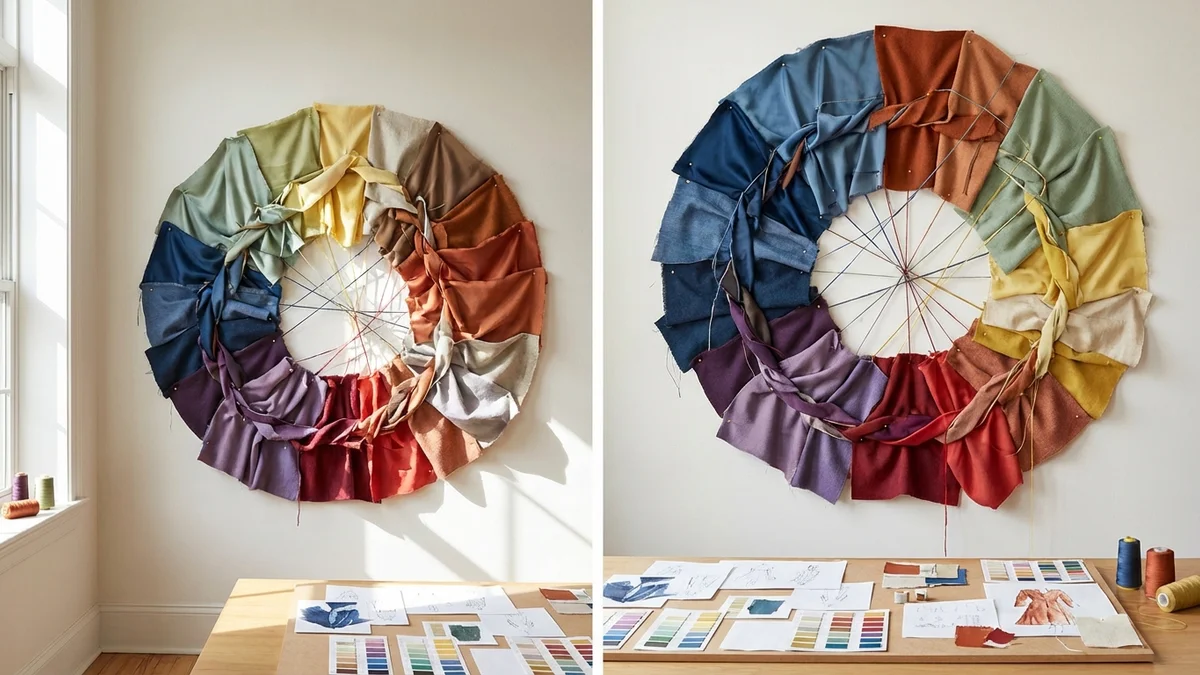
Color is the foundation of outfit matching. Understanding basic color theory gives you a framework for endless combinations.
The Color Wheel for Fashion
The color wheel divides into three categories:
| Color Type | Definition | Fashion Example |
|---|---|---|
| Primary | Red, blue, yellow | Bold statement pieces |
| Secondary | Orange, green, purple | Versatile accent colors |
| Tertiary | Blue-green, red-orange, etc. | Sophisticated transitions |
Color Combination Strategies
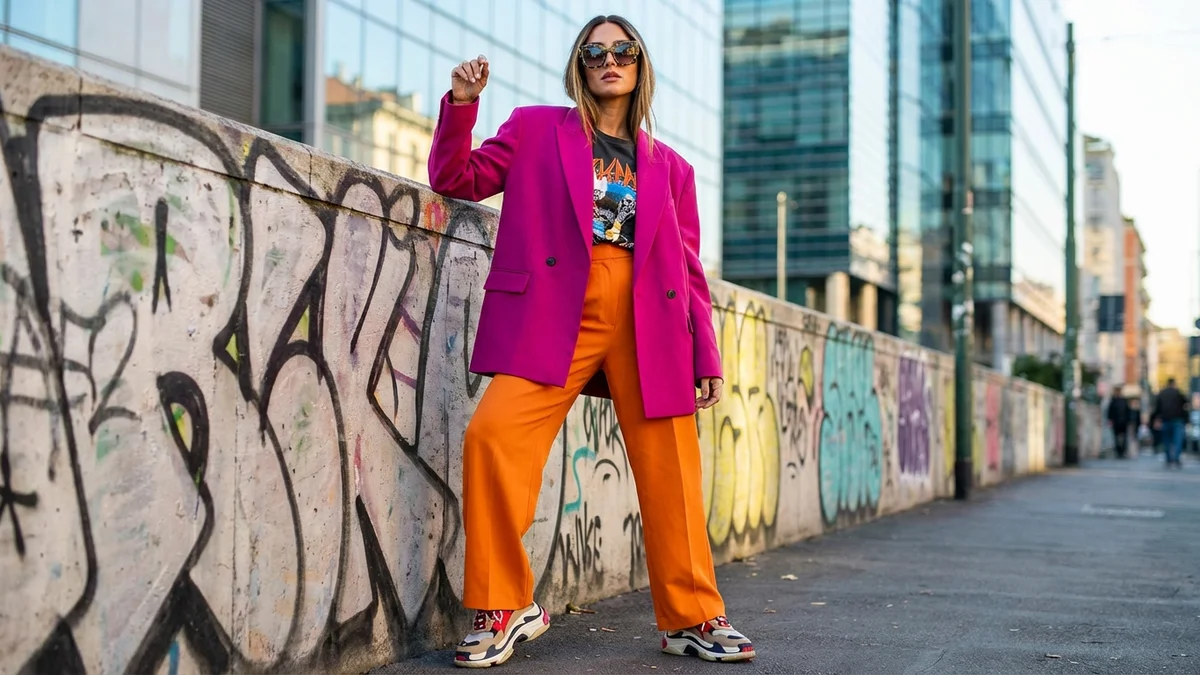
Complementary Colors: Opposite on the wheel (blue + orange, purple + yellow). Creates high contrast and visual energy.
Analogous Colors: Side by side on the wheel (blue + green + teal). Creates harmony and sophistication.
Monochromatic: Different shades of one color. Creates elegance and elongates the silhouette.
Neutral Base: Black, white, gray, navy, beige. Works with everything and simplifies matching.
The 60-30-10 Rule
Professional stylists use this formula:
- 60% dominant color (usually neutral)
- 30% secondary color (complementary shade)
- 10% accent color (pop of contrast)
This ratio creates visual balance without overwhelming the eye. It's the secret behind effortlessly stylish outfits.
5 Proven Methods to Match Any Outfit
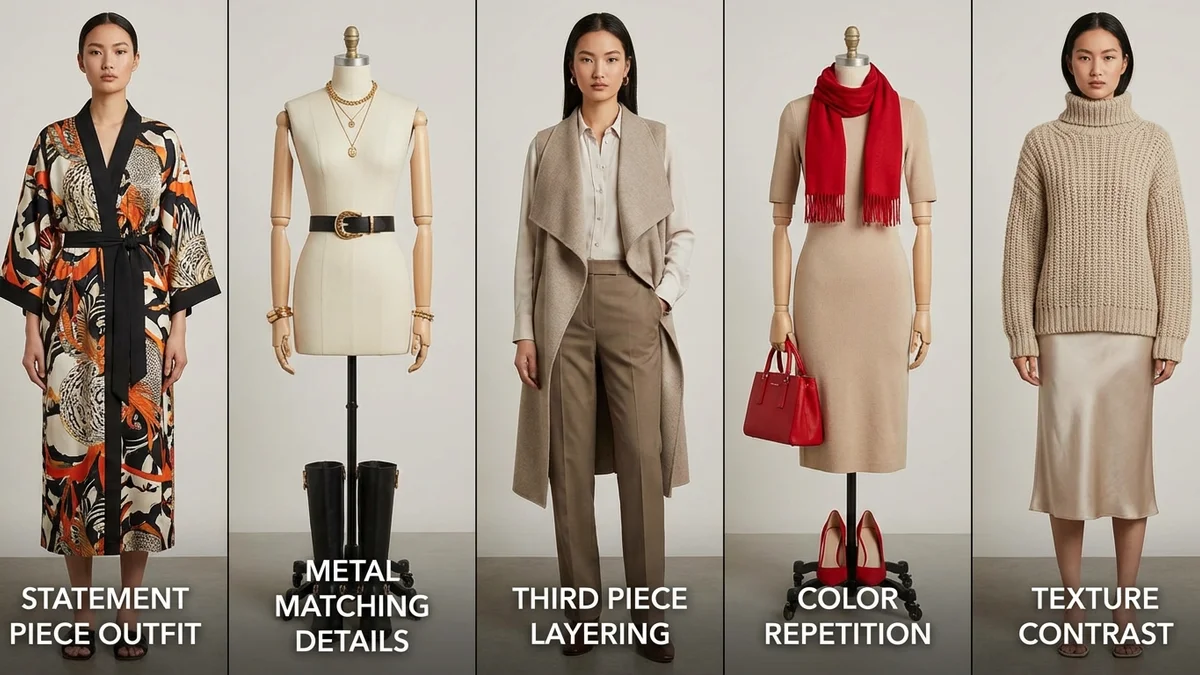
These methods work regardless of your personal style or wardrobe size.
Method 1: Start With a Statement Piece
Build your outfit around one standout item. This could be:
- A patterned blouse
- Colorful shoes
- A textured jacket
- Statement jewelry
Everything else plays a supporting role. Keep other pieces neutral or in colors pulled from the statement item.
Method 2: Match Metals and Hardware
Small details create cohesion. Match your:
- Belt buckle to watch
- Jewelry metals together
- Bag hardware to shoe details
- Sunglasses frames to accessories
This subtle consistency elevates any outfit from good to polished.
Method 3: Use the Third Piece Rule
A basic outfit becomes stylish with a third layer:
- T-shirt + jeans + blazer
- Dress + sandals + denim jacket
- Blouse + trousers + cardigan
The third piece adds dimension and shows intentionality.
Method 4: Repeat One Element
Create visual connection by repeating:
- A color in two different pieces
- A texture (leather bag + leather shoes)
- A pattern scale (small polka dots appearing twice)
This repetition creates rhythm without being obvious.
Method 5: Contrast Intentionally
Opposites attract in fashion:
- Structured blazer + flowy dress
- Masculine shoes + feminine blouse
- Casual denim + dressy top
Intentional contrast looks deliberate. Random contrast looks confused.
Essential Tools for Outfit Matching
Having the right tools makes outfit coordination faster and more accurate.
Digital Styling Solutions
Modern technology has revolutionized how we plan outfits. Virtual try-on apps let you visualize combinations before committing.
CheckMyFit takes this further by letting you see how different pieces look on your actual body type. Instead of guessing whether that blue blazer works with your striped shirt, you can preview the combination digitally.
This eliminates:
- Buying items that don't match your wardrobe
- Returning clothes that looked different online
- Standing in your closet overwhelmed by choices
Physical Styling Tools
Beyond apps, these items help with daily outfit matching:
Recommended Products for Outfit Matching
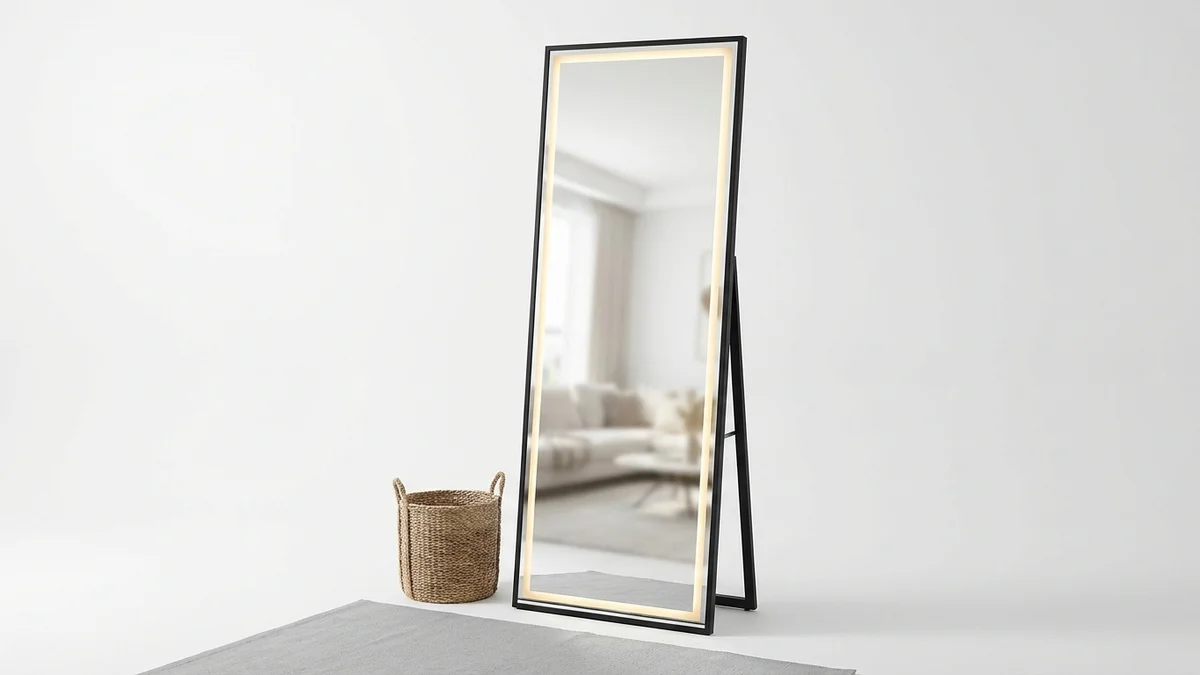
See your complete outfit with HD shattervue glass. Arched design with thin aluminum frame, free standing or wall mounted for any bedroom.
View on Amazon →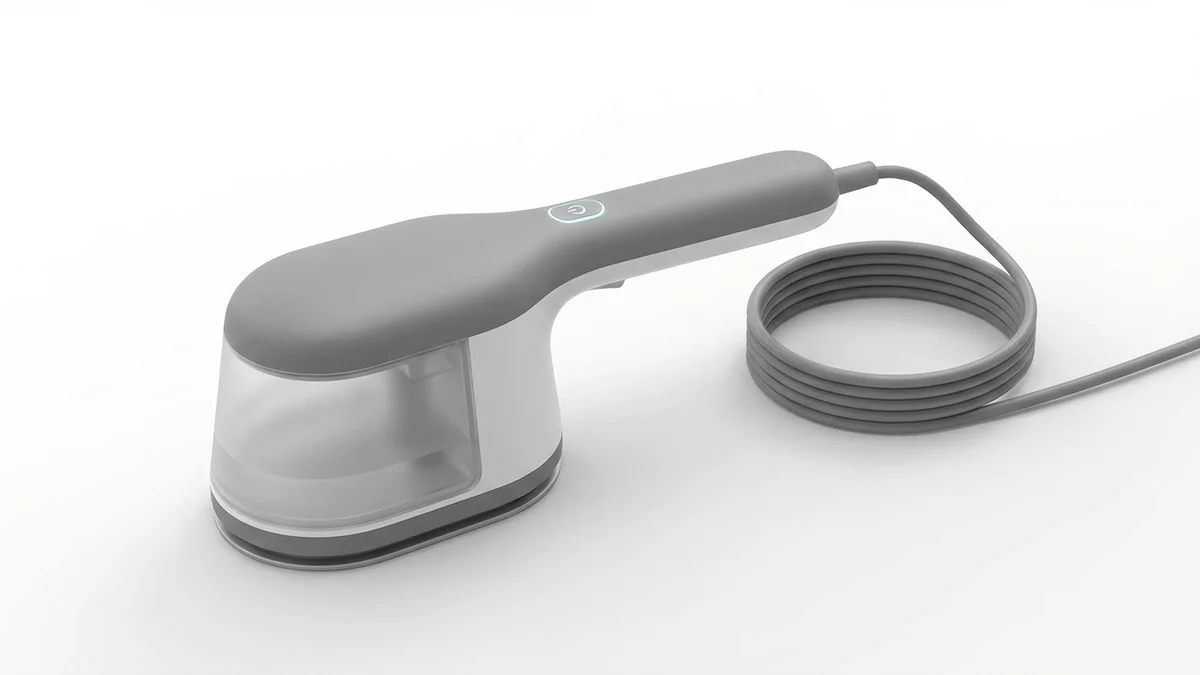
Wrinkled clothes ruin coordinated outfits. This #1 selling steamer heats in 40 seconds with 5 steam settings for any fabric type.
View on Amazon →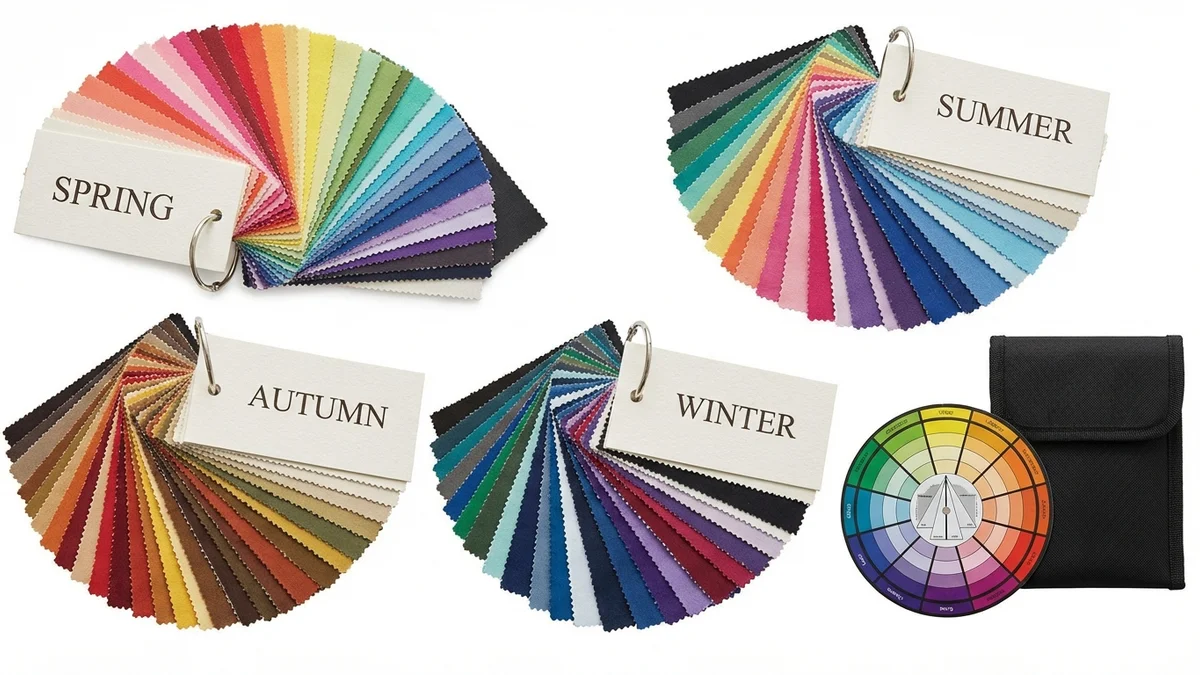
Know exactly which colors flatter your skin tone. Premium quality 48-color swatch fan to match purchases with your seasonal palette.
View on Amazon →Common Outfit Matching Mistakes to Avoid
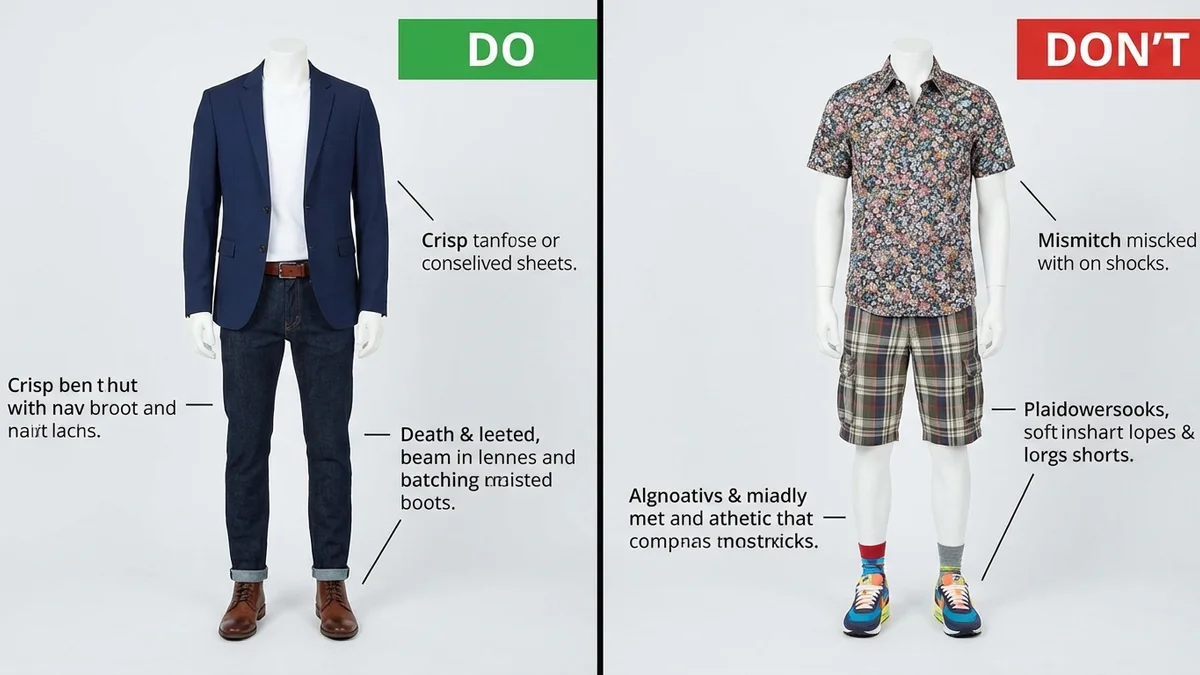
Even style-conscious people make these errors:
Mistake 1: Over-Matching Everything
Wearing head-to-toe matching looks costume-like. Your shoes, bag, and belt don't need to be identical.
Fix: Match undertones, not exact colors. Warm browns together. Cool blacks together.
Mistake 2: Ignoring Undertones
Navy and black can clash. Brown and gray can clash. The issue is usually mismatched undertones.
Fix: Warm colors with warm. Cool colors with cool.
| Warm Undertones | Cool Undertones |
|---|---|
| Mustard yellow | Lemon yellow |
| Rust orange | Coral orange |
| Olive green | Emerald green |
| Cream white | Bright white |
| Camel brown | Taupe brown |
Mistake 3: Too Many Patterns
Multiple patterns can work, but they require skill:
- Vary the scale (large + small prints)
- Share a common color
- Keep one pattern dominant
Fix: When in doubt, one pattern maximum.
Mistake 4: Forgetting Occasion Appropriateness
A perfectly matched outfit can still be wrong for the setting.
Fix: Match your outfit to the event, not just to itself.
Mistake 5: Neglecting Fit
Color coordination can't save poorly fitting clothes. Baggy trousers undermine a perfect color palette.
Fix: Prioritize fit before color matching.
Match Outfits Digitally with Virtual Try-On
Technology has changed how we approach outfit matching. Instead of trial and error, you can now preview combinations digitally.
CheckMyFit lets you:
- Upload photos of clothing items
- See how they look combined on your body
- Test color combinations before buying
- Build complete outfits from your existing wardrobe
This is especially valuable when:
- Shopping online for pieces to match current items
- Preparing outfits for travel without overpacking
- Experimenting with new style combinations risk-free
The guesswork disappears. You see exactly how pieces work together before wearing them out.
Building a Wardrobe That Matches Itself
The ultimate outfit matching hack is strategic wardrobe building.
Create a Capsule Core
Start with pieces that inherently coordinate:
- 3 neutral tops (white, black, gray)
- 2 neutral bottoms (black trousers, blue jeans)
- 1 versatile jacket (navy blazer or denim)
- 2 pairs of shoes (one casual, one dressy)
These items match each other automatically.
Add Intentional Accent Pieces
Once your core exists, add items that:
- Match at least 3 existing pieces
- Bring in one new color to your palette
- Fill a gap in your occasion coverage
Every new purchase should multiply outfit possibilities, not complicate them.
Seasonal Color Planning
Choose 3-4 accent colors per season:
- Spring: pastels and soft brights
- Summer: vibrant and saturated
- Autumn: warm and earthy
- Winter: deep and jewel-toned
This focused approach prevents random purchases that match nothing.
Conclusion
Matching outfits is learnable. It's not about innate talent or expensive clothes. It's about understanding color, proportion, and intentionality.
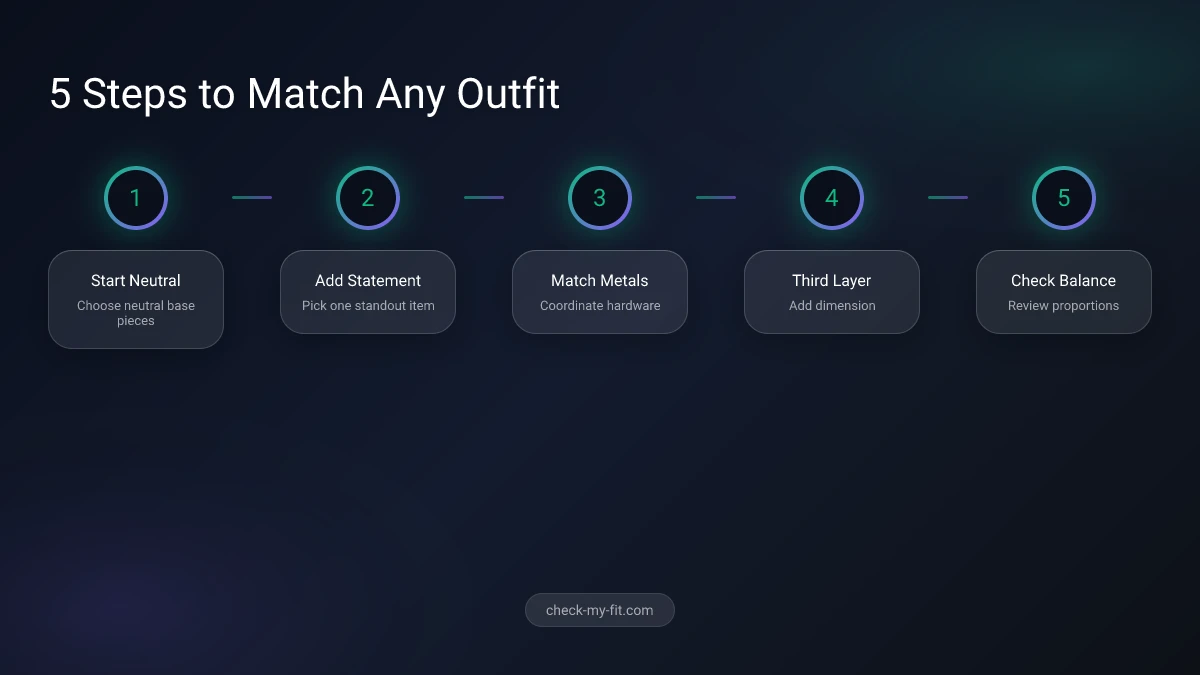
Start with the 60-30-10 rule. Build from neutral bases. Use one statement piece. Match metals. Add a third layer.
For visual confirmation before you commit, try CheckMyFit to see your outfit combinations in action. It takes the guesswork out of matching and helps you make confident style choices every day.
Your best outfits are already in your closet. You just need to see them differently.