
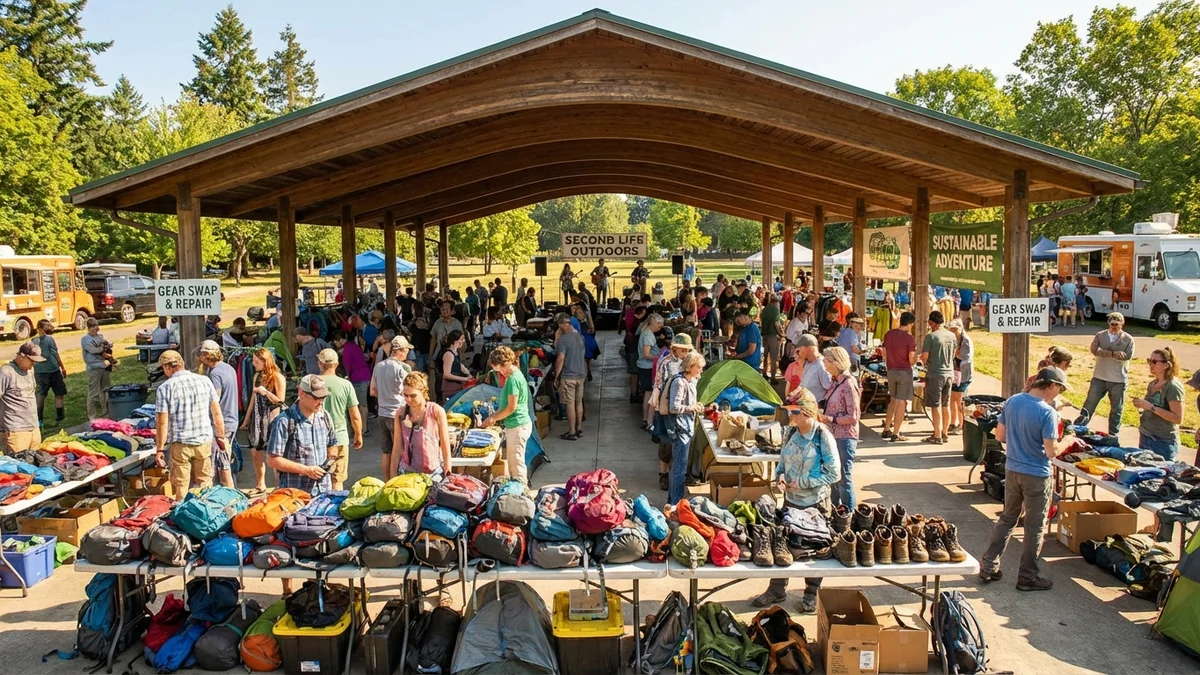
Gear swapping has evolved from casual garage sales into a global movement. Millions of people now trade outdoor equipment, athletic clothing, and fashion items through organized events, online platforms, and AI-powered virtual tools.
Whether you want to refresh your wardrobe, save money on outdoor equipment, or reduce textile waste, a gear swap offers a practical solution. This guide covers everything from hosting your own swap event to using digital tools that let you visualize gear before committing.
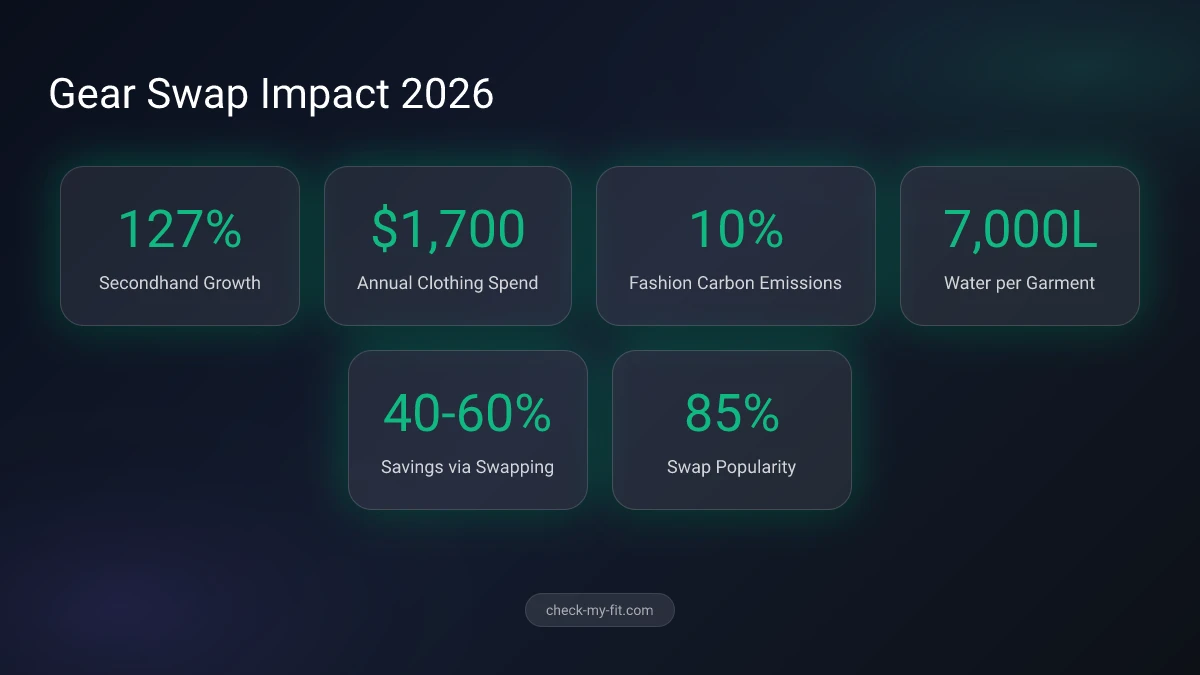
The secondhand market is projected to grow 127% by 2026, with gear swaps driving a significant portion of that growth.
TL;DR
A gear swap is an organized exchange where people trade clothing, outdoor equipment, and athletic gear they no longer use. You can swap in person at community events, through online platforms like Geartrade and SidelineSwap, or virtually using AI try-on tools. Gear swapping saves money, reduces textile waste, and builds community connections.
What Is a Gear Swap and How Does It Work?
A gear swap is an organized event or platform where participants exchange pre-owned clothing, outdoor equipment, sports gear, and fashion items without purchasing new products. Swaps operate on a simple principle: bring items you no longer need and take home items that better suit your current lifestyle.
Gear swaps come in several formats. Community events happen at local venues where participants bring items, display them, and trade directly. Online platforms like Geartrade and SidelineSwap facilitate digital exchanges. Virtual try-on tools let you preview how swapped items look before committing.
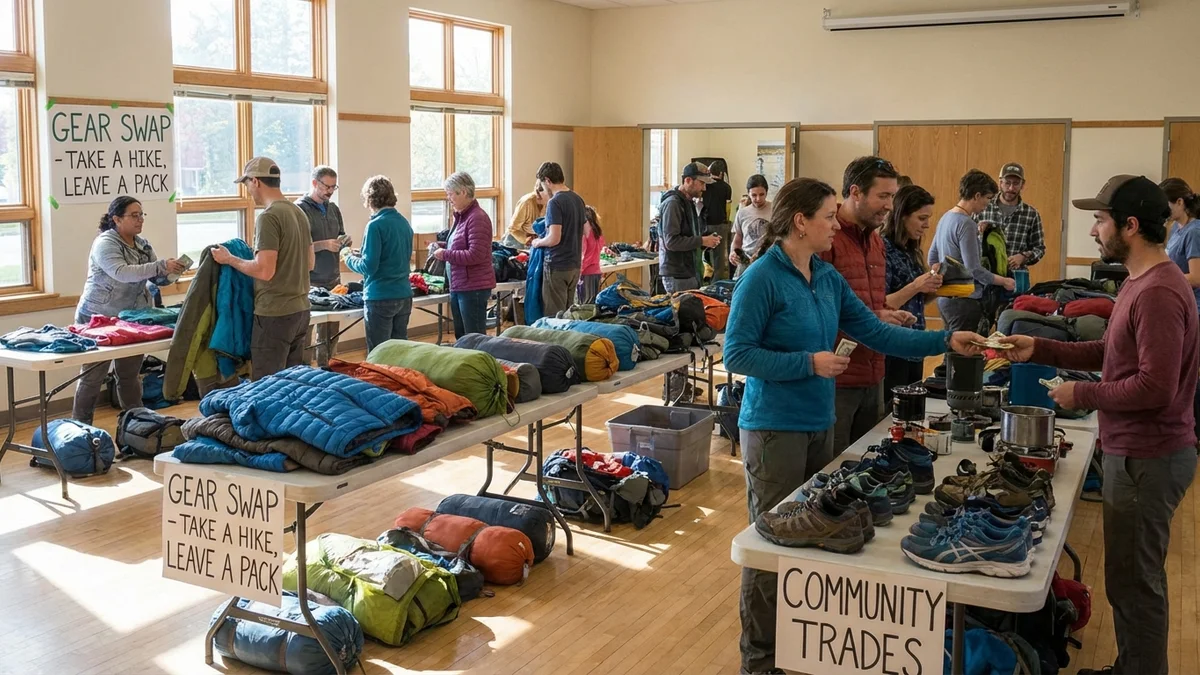
The exchange process varies by format:
| Swap Format | How It Works | Best For |
|---|---|---|
| In-person event | Bring items, browse others, trade directly | Local community building |
| Online marketplace | List items, ship to buyers/traders | Rare or specialty gear |
| Token-based swap | Earn tokens per item brought, spend on others | Fair value exchanges |
| AI virtual try-on | Preview outfits digitally before swapping | Ensuring fit and style |
Key Takeaway: Gear swaps eliminate the middleman. You exchange directly with other enthusiasts, keeping costs low and gear out of landfills.
Types of Gear You Can Swap
Not all gear swaps are the same. The type of event determines what you should bring and expect to find. Understanding the categories helps you prepare effectively.
Outdoor and Hiking Gear
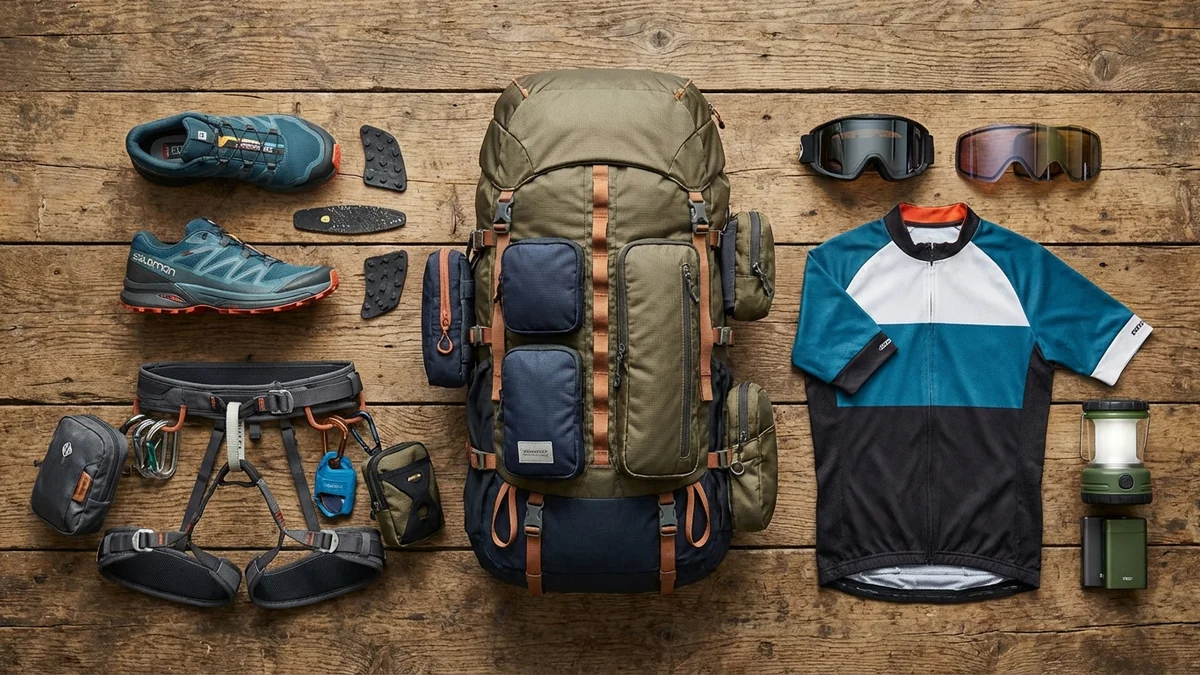
Backpacks, tents, sleeping bags, hiking boots, trekking poles, and climbing equipment are popular swap items. Outdoor gear holds value well, making swaps an excellent way to upgrade without paying full retail.
Athletic Clothing and Sportswear
Running shoes, cycling jerseys, yoga pants, ski jackets, and workout apparel circulate frequently at gear swaps. Athletic clothing often gets replaced before wearing out, creating a steady supply of quality items.
Fashion and Everyday Clothing
Jackets, dresses, accessories, and seasonal wardrobe pieces make up the bulk of clothing swap events. Many participants refresh their entire wardrobe through regular swapping.
Sports Equipment
Skis, snowboards, golf clubs, baseball gloves, and tennis rackets are staples at sports-focused gear swaps. Equipment that kids outgrow quickly is especially popular.
| Gear Category | Popular Items | Average Savings vs. New |
|---|---|---|
| Outdoor/Hiking | Backpacks, boots, tents | 50-70% |
| Athletic Wear | Running shoes, jackets | 40-60% |
| Fashion | Dresses, coats, accessories | 60-80% |
| Sports Equipment | Skis, bikes, rackets | 45-65% |
| Tech Wearables | Fitness trackers, GPS watches | 30-50% |
Tech and Wearable Gear
Fitness trackers, GPS watches, and smart clothing increasingly appear at modern gear swaps. These items depreciate quickly in retail but remain fully functional.
Key Takeaway: The best gear swaps combine multiple categories, giving participants more options and better chances of finding what they need.
How to Organize a Successful Gear Swap Event
Hosting a gear swap requires planning, but the process is straightforward. Follow these steps to create an event that participants will want to attend again.
Step 1: Choose Your Venue and Date
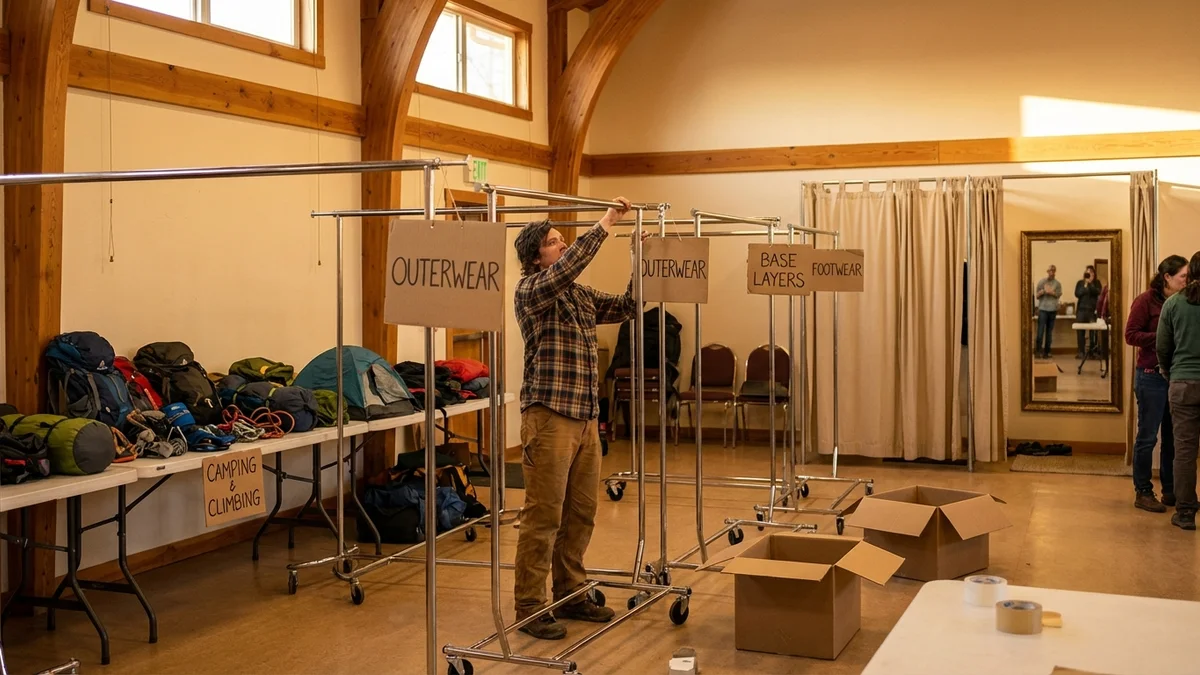
Select a space large enough to display items and accommodate browsers. Community centers, parks, coffee shops, and co-working spaces work well. Schedule the event on a weekend, ideally during a seasonal transition when people are most motivated to swap.
Step 2: Set Clear Guidelines
Define quality standards before the event. Request items that are clean, functional, and in good condition. Limit contributions to 5-10 quality pieces per person. This prevents the event from becoming a dumping ground for damaged goods.
Step 3: Organize by Category
Set up distinct zones for different gear types. Label sections clearly: outerwear, athletic wear, footwear, equipment, and accessories. Provide hangers, racks, and tables to display items attractively.
Step 4: Establish a Fair Exchange System
Choose one of these proven methods:
- One-for-one trading — Each item brought earns one item taken
- Token system — Participants receive tokens per item, spend tokens on desired items
- Free-for-all — Open browsing after initial selection rounds
- Tiered pricing — Premium items require more tokens than basics
Step 5: Add Amenities
Provide a changing area with a full-length mirror. Offer refreshments. Play music. The more comfortable the atmosphere, the longer people stay and the more successful exchanges happen.
Step 6: Plan for Leftovers
Arrange donation partnerships with local charities before the event. Goodwill, outdoor clubs, and homeless shelters gladly accept quality leftover items.
Key Takeaway: A well-organized gear swap runs itself after setup. Focus on clear categories, fair rules, and a welcoming atmosphere.
Benefits of Gear Swapping for Your Wallet and the Planet
Gear swapping delivers measurable benefits across three areas: financial savings, environmental impact, and community building. The numbers tell a compelling story.
Financial Benefits
The average American spends $1,700 annually on clothing alone. Regular gear swapping can cut this by 40-60%. Outdoor equipment savings are even more dramatic—a quality hiking backpack retails for $200-400 but costs nothing at a swap.
Environmental Impact
The fashion industry generates 10% of global carbon emissions. Every swapped item displaces a new purchase, reducing manufacturing demand, shipping emissions, and textile waste.
| Environmental Metric | Impact of Gear Swapping |
|---|---|
| Textile waste diverted | 15-20 lbs per active swapper annually |
| Carbon emissions saved | ~30 kg CO2 per 10 items swapped |
| Water saved | ~7,000 liters per garment not manufactured |
| Landfill reduction | Extends item lifespan by 2-3 years |
Community Benefits
Gear swaps create connections between people who share interests. Outdoor enthusiasts meet fellow hikers. Athletes discover training partners. Fashion lovers build networks of style-conscious friends.
Consumers are willing to pay 9.7% more for sustainably sourced goods, but gear swapping offers sustainability at zero extra cost.
Key Takeaway: Gear swapping is one of the few activities that simultaneously saves money, helps the environment, and strengthens community bonds.
Best Online Platforms for Gear Swapping in 2026
Physical events have geographic limits. Online platforms remove those barriers, connecting gear swappers worldwide. Here are the top platforms currently operating.
| Platform | Focus | How It Works | Cost |
|---|---|---|---|
| Geartrade | Outdoor gear | Consignment-style listing | Commission-based |
| SidelineSwap | Sports equipment | Direct buyer-seller | Listing fee |
| Rehash | Clothing | Free clothing trades | Free |
| Nuw | Fashion | Coin-based exchange | Subscription |
| Dopplle | General clothing | Community swapping | Free |
| Swap Society | Women's fashion | Monthly subscription | $20-30/month |
Tips for Successful Online Gear Swapping
- Photograph items in natural light to show true condition
- Write honest descriptions including any wear, stains, or damage
- Measure everything — buyers need exact dimensions
- Ship promptly to maintain platform reputation
- Check ratings before committing to trades
For those exploring how items might look before swapping, virtual try-on technology provides a preview without physical exchange.
How Virtual Try-On Technology Enhances Gear Swapping
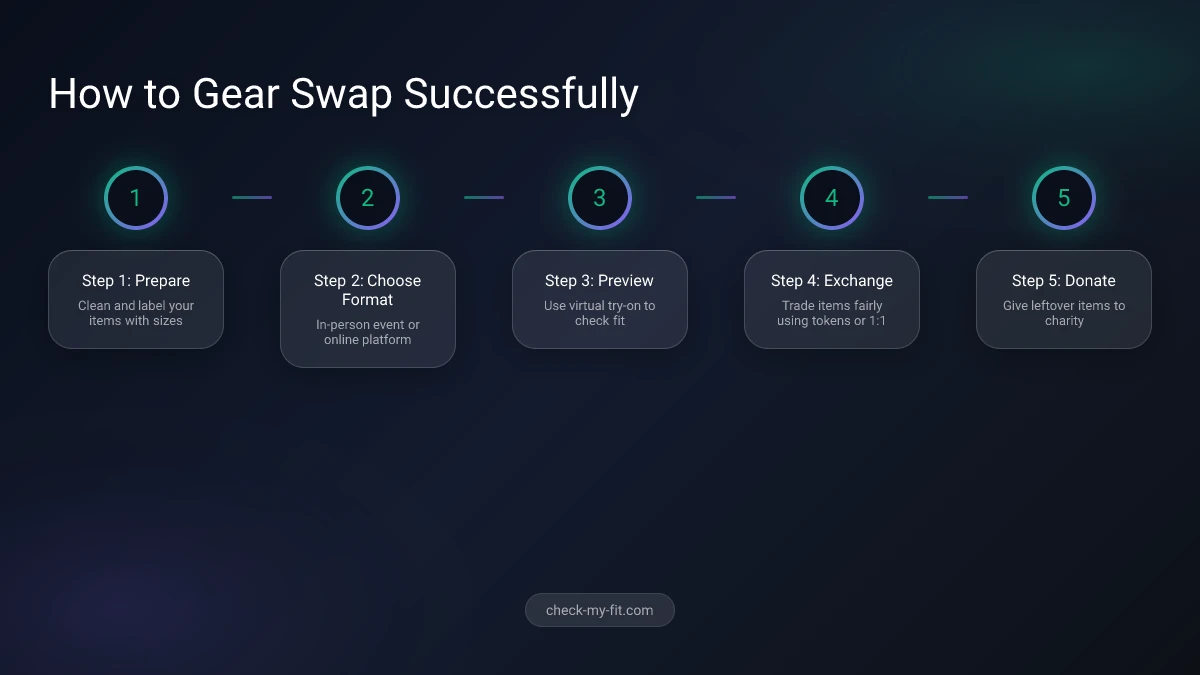
The biggest challenge with gear swapping is uncertainty. Will the jacket fit? Does the color match your style? Virtual try-on technology solves this by letting you preview items digitally before committing to a swap.
How AI Virtual Try-On Works
Modern AI tools analyze your body shape from a photo and digitally overlay clothing items. The technology accounts for fabric drape, lighting, and body proportions to create realistic previews.
This matters for gear swapping because:
- You see fit before swapping — No more guessing if that ski jacket runs small
- Color matching becomes visual — Compare how different pieces work together
- Remote swaps become viable — Trade with confidence across distances
CheckMyFit: Preview Before You Swap
CheckMyFit uses advanced AI to show exactly how clothing and gear will look on your body. Upload your photo, select the item you're considering in a swap, and see a realistic preview in seconds.
This eliminates the primary risk of gear swapping: getting stuck with items that don't fit or suit your style. Instead of relying on size labels alone, you get a visual confirmation before any exchange happens.
Try it free at CheckMyFit — see how your next swap pick looks on you before committing.
For more on how AI changes clothes in photos, our detailed guide covers the full technology behind virtual outfit previews.
How to Prepare Your Gear for a Successful Swap
Presentation matters at gear swaps. Items that look clean and organized attract more interest. Follow these preparation steps to maximize your swapping success.
Cleaning and Repair
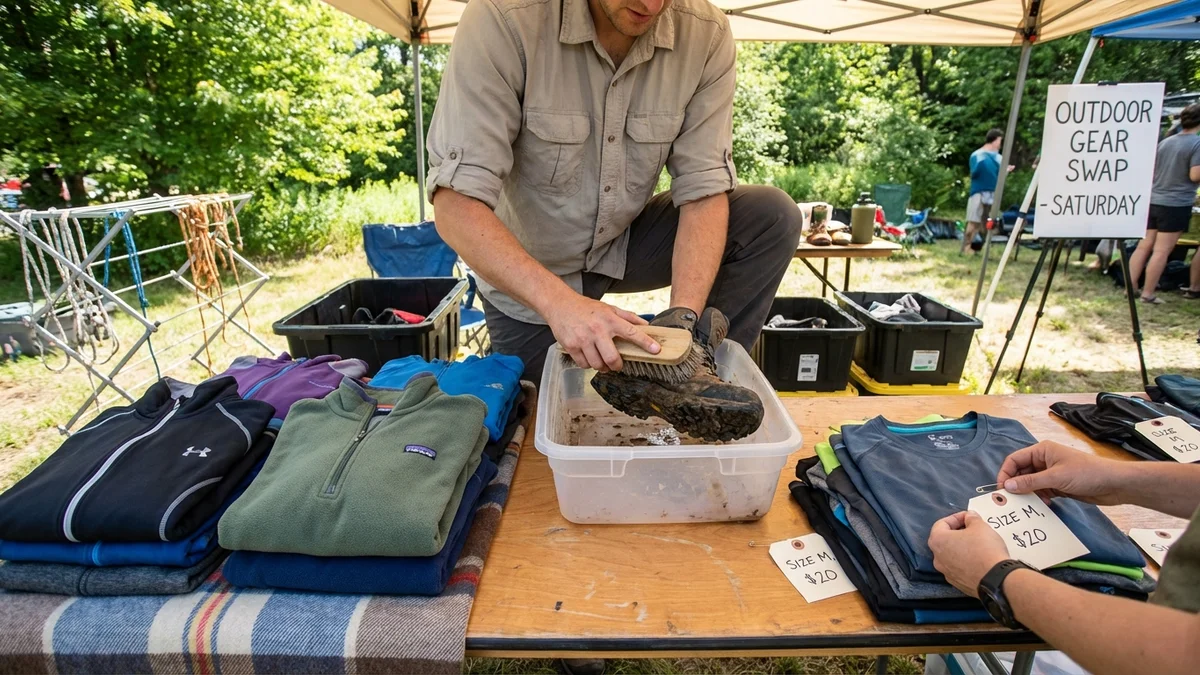
Wash all clothing items. Wipe down equipment. Fix minor issues like loose buttons or fraying zippers. Clean gear communicates respect for other swappers and increases the perceived value of your items.
Sizing and Labeling
Attach size information to every item. For outdoor gear, include weight and capacity specs. For clothing, note the brand's sizing tendency (runs large/small/true). This saves time during the event and helps online listings.
Honest Condition Assessment
Rate each item honestly:
- Like new — Worn once or twice, no visible wear
- Good — Regular use, minor signs of wear
- Fair — Noticeable wear but fully functional
- Project piece — Needs repair but has value for DIY enthusiasts
Photography for Online Swaps
Take photos in natural light against a neutral background. Capture front, back, and detail shots. Photograph any wear marks or damage. Clear photos generate more interest and fewer disputes.
Key Takeaway: Twenty minutes of preparation per item dramatically increases your success rate at both physical and online gear swaps.
Recommended Products for Gear Swap Success

Essential for checking fit at gear swaps or when trying on swapped items at home. The arched design adds style to any dressing area.
View on Amazon →
Perfect for freshening up swapped clothing. Quick heat-up time and portable design make it ideal for pre-swap preparation or post-swap garment care.
View on Amazon →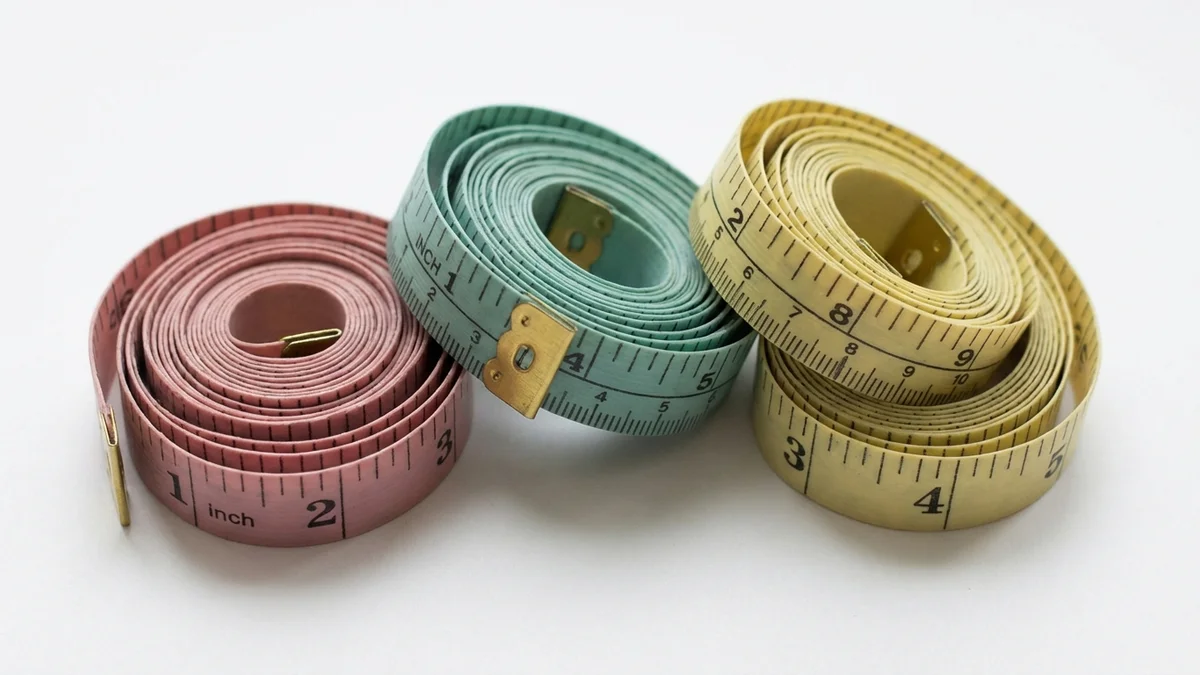
Accurate body and garment measurements are essential for gear swaps. This 3-pack lets you measure items for listings and verify fit before trading.
View on Amazon →Frequently Asked Questions
What should I bring to a gear swap?
Bring 5-10 clean, functional items you no longer use. Include outdoor clothing, athletic wear, sports equipment, or fashion pieces in good condition. Label each item with its size and any relevant specifications. Quality matters more than quantity at gear swaps, so leave damaged or heavily worn items at home.
How do I price items at a gear swap?
Most gear swaps use a one-for-one exchange system or token-based trading rather than cash pricing. If your event uses monetary values, price items at 20-30% of retail value for good condition and 10-15% for fair condition. Research comparable items on platforms like SidelineSwap or Geartrade for guidance.
What is the difference between a gear swap and a clothing swap?
A gear swap includes outdoor equipment, sports gear, and technical clothing alongside everyday fashion items. A clothing swap focuses exclusively on fashion and wardrobe pieces. Gear swaps tend to attract outdoor enthusiasts and athletes while clothing swaps appeal more to fashion-conscious participants.
Can you do gear swaps online?
Yes. Multiple platforms facilitate online gear swapping. Geartrade specializes in outdoor equipment consignment. SidelineSwap handles sports gear. Rehash and Nuw focus on clothing exchanges. Online swaps expand your pool of potential trading partners beyond your local community.
How does virtual try-on work with gear swapping?
AI virtual try-on tools like CheckMyFit let you upload your photo and preview how swapped items will look on your body. The technology analyzes body proportions and fabric characteristics to generate realistic previews. This is especially useful for online gear swaps where you cannot physically try items before exchanging.
What happens to leftover items at a gear swap?
Responsible organizers arrange donation partnerships before the event. Leftover items go to local charities, outdoor clubs, homeless shelters, or organizations like Goodwill. Some events hold post-swap free piles where remaining items are available to anyone. Nothing should go to a landfill.
Are gear swaps only for outdoor equipment?
No. While the term originated in outdoor recreation communities, modern gear swaps include athletic clothing, fashion items, sports equipment, tech wearables, and accessories. Some events specialize in specific categories while others welcome all types of gear.
How often should I attend gear swaps?
Attend gear swaps seasonally for best results. Spring and fall transitions create natural motivation to swap seasonal items. Many communities host quarterly events. Online platforms allow continuous swapping regardless of local event schedules. Regular participation builds your network and improves your swap outcomes.
Conclusion
Gear swapping combines sustainability, savings, and community in one activity. Whether you attend local events, trade online, or use virtual try-on tools to preview items before swapping, the benefits are clear.
Start small. Gather 5-10 items you no longer use and find a local gear swap event or join an online platform. Prepare your items with care, be honest about condition, and stay open to unexpected finds.
The gear you no longer need could be exactly what someone else is looking for. And the perfect piece for your next adventure might be sitting in someone else's closet right now.
Ready to see how swapped gear looks on you? Try CheckMyFit free and preview any outfit before you commit to a swap.