Why 62% of Shoppers Can't Find Clothes That Fit Online
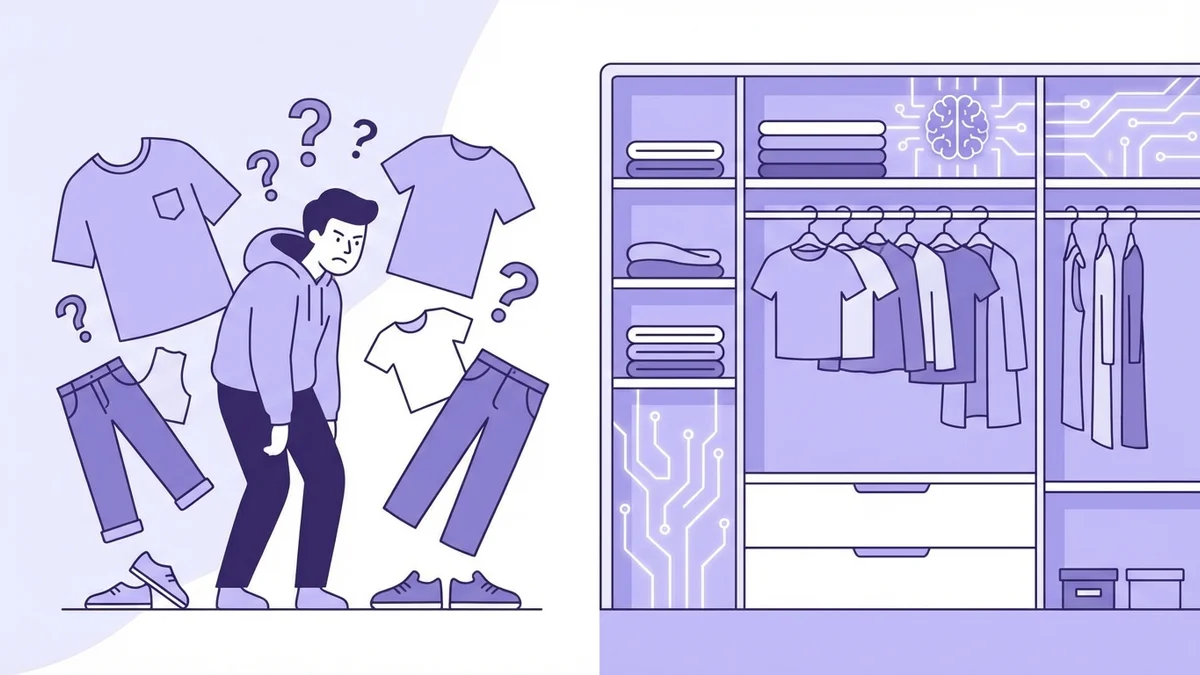
You order a medium. It arrives too small. You exchange for a large. Now it's too big.
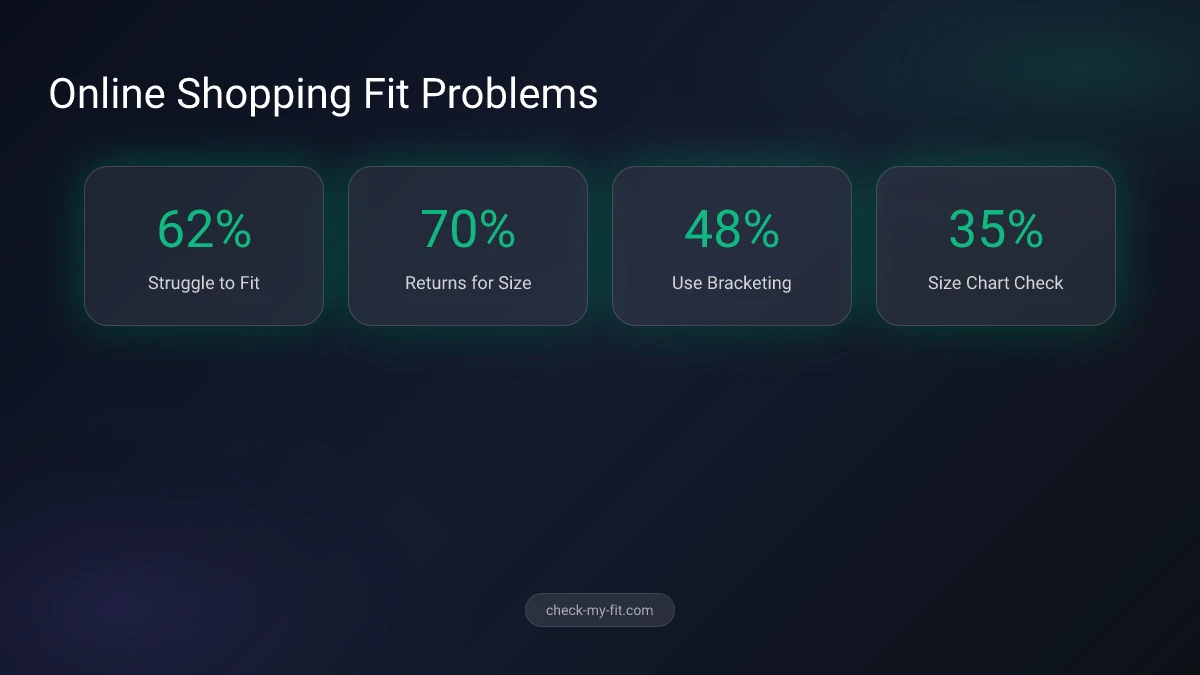
Sound familiar? You're not alone. Research shows that 62% of shoppers struggle to find clothes that fit when shopping online. And 70% of all fashion returns happen because of sizing issues.
The problem isn't you. It's a broken system that has frustrated shoppers for decades.
In this guide, we'll explore why clothing sizes are so inconsistent and how new technology is finally solving this problem.
The Sizing Crisis in Online Fashion

Online shopping should be convenient. Instead, it often feels like gambling.
Will this shirt fit like the last one? Is this brand's medium the same as that brand's medium? Should I order two sizes just to be safe?
This uncertainty creates a phenomenon called "bracketing." Shoppers order multiple sizes of the same item, keep what fits, and return the rest.
According to studies, 48% of American shoppers practice bracketing. In Germany, that number jumps to 72%. In the UK, it's 61%.
The result? Fashion returns cost retailers billions annually. But more importantly, it wastes your time and creates unnecessary stress.
Why Standard Sizing Doesn't Exist
Here's a surprising truth: there is no universal sizing standard for clothing.
A size 8 at Zara is different from a size 8 at H&M. A medium at Nike fits differently than a medium at Uniqlo.
Why does this happen?
Different Target Markets
Every brand designs for a specific customer. A brand targeting athletic builds will cut clothes differently than one targeting petite frames.
Even when the label says the same size, the actual measurements vary based on who the brand expects to wear it.
The Fit Model Problem
Brands design clothes around a "fit model"—a real person whose measurements define each size. But every brand chooses a different fit model.
This means even identical size labels can have completely different proportions. Shoulder width, torso length, and hip shape all vary from brand to brand.
Vanity Sizing
Vanity sizing is a psychological trick. Brands label clothes smaller than their actual measurements to make shoppers feel better.
A size 14 in 1937 was equivalent to a size 8 in 1967. By 2011, that same measurement became a size 0.
Brands compete to make you feel smaller. The result? Complete chaos across the industry.
Regional Differences
A US size 8 doesn't equal a UK size 8 or a European 38. Different regions use different measurement systems.
Converting between these systems involves complex calculations. Rounding errors and different standards create even more confusion.
Fabric Variations
The same size in different fabrics fits differently. A cotton shirt stretches differently than a polyester blend.
Fast fashion's rapid production often skips quality control. The same item in different colors might even fit differently due to manufacturing variations.
The Real Cost of Sizing Confusion
Poor fit doesn't just waste time. It has real psychological and financial impacts.
Emotional Toll
Fashion psychologist Dion Terrelonge explains: "If clothing sizes are inconsistent, that can negatively challenge our sense of self."
When a size doesn't fit as expected, many people blame themselves rather than the broken system. This affects confidence and body image.
Financial Impact
The average American spends hours researching sizes before purchasing. Then they spend more time processing returns.
Shipping costs add up. Some retailers charge return fees. And impulse purchases made during the return process often lead to more ill-fitting clothes.
Environmental Cost
Every return generates carbon emissions from transportation. Returned clothes often end up in landfills instead of being resold.
The fashion industry's sizing chaos directly contributes to environmental waste.
How AI Is Solving the Fit Problem
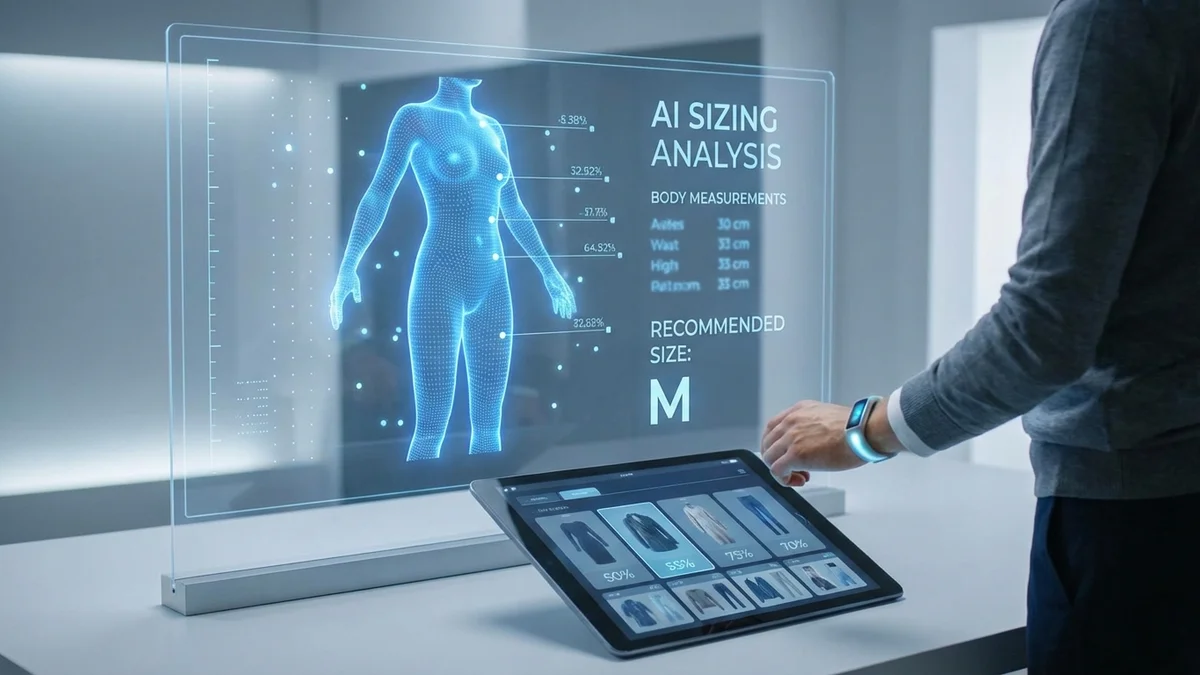
Technology is finally catching up to this decades-old problem.
AI-Powered Size Recommendations
Modern AI tools analyze multiple data points to suggest your perfect size:
- Your body measurements
- Your past purchase history
- Return data from similar body types
- Brand-specific sizing patterns
- Garment stretch and fabric behavior
These systems learn from millions of purchases and returns. They predict fit with increasing accuracy.
3D Body Scanning
Some apps let you create a 3D model of your body using just your smartphone camera.
This digital twin stores your exact measurements. When you shop, the system compares your body to garment specifications and recommends the right size.
Virtual Try-On Technology
Virtual try-on takes sizing confidence to the next level. Instead of guessing, you see exactly how clothes will look on your body before buying.
Upload your photo. Select an item. The AI shows you the garment on your actual figure—including how it drapes, fits, and moves.
This technology addresses the core problem: uncertainty. When you can visualize the outcome, sizing becomes less stressful.
Machine Learning from Returns
Every time someone returns an item for fit reasons, AI systems learn. They track which body types struggle with which brands and styles.
This collective data helps future shoppers avoid the same mistakes.
Tips to Find Your Perfect Fit Online
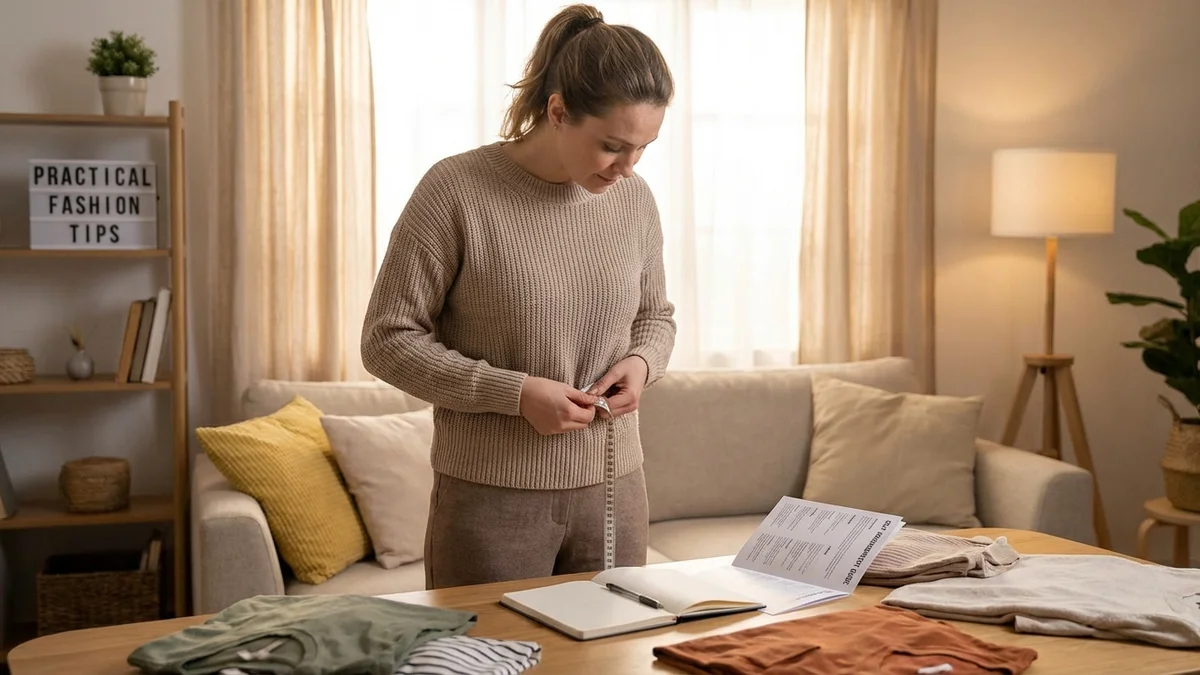
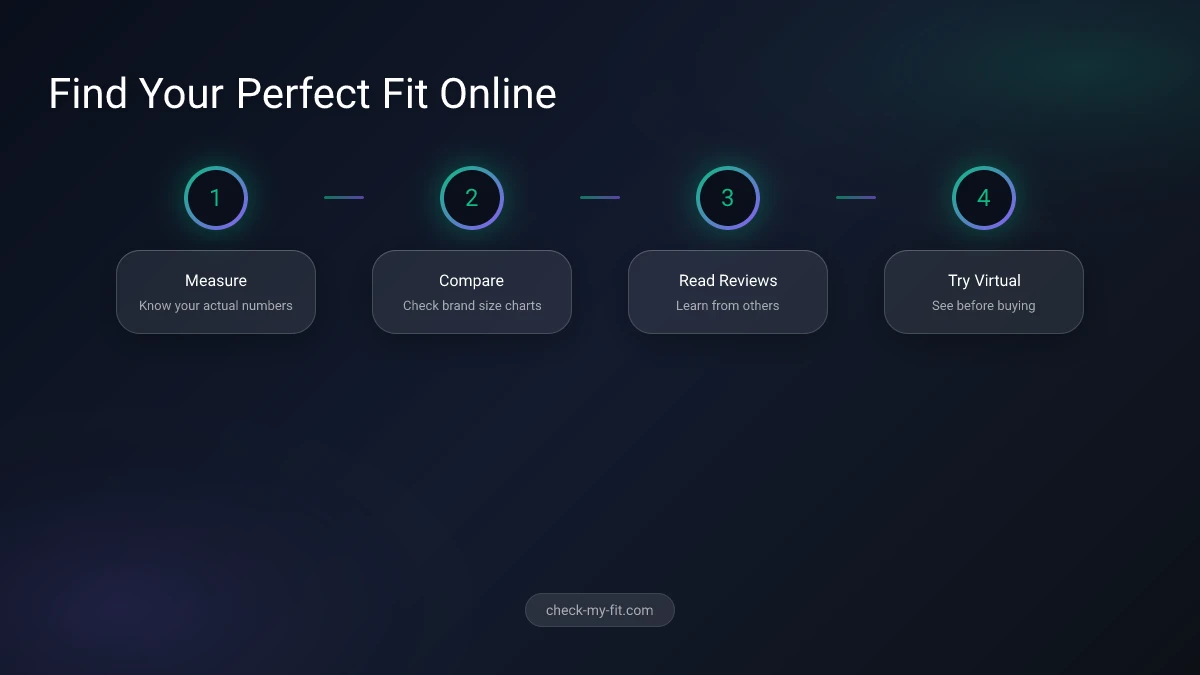
While AI tools improve, here are practical steps to shop smarter today.
Know Your Actual Measurements
Don't rely on sizes. Know your numbers.
Measure your:
- Chest (fullest part)
- Waist (natural waistline)
- Hips (widest part)
- Inseam (for pants)
- Shoulder width
Write these down. Compare them to each brand's size chart—not the generic S/M/L labels.
Use Your Best-Fitting Clothes as Reference
Find clothes that fit you perfectly. Note the brand, style, and size.
Some sizing tools let you compare new items to your existing favorites. This personalized approach beats generic size charts.
Read Reviews Strategically
Look for reviews from people with similar body types. Pay attention to comments like:
- "Runs small, size up"
- "True to size"
- "Long in the torso"
- "Tight in the shoulders"
These real-world insights help you adjust before ordering.
Choose Forgiving Silhouettes for Online Orders
Some styles are higher risk for fit issues:
- Form-fitting dresses
- Tailored blazers
- Skinny jeans
Lower-risk options include:
- A-line dresses
- Oversized shirts
- Relaxed-fit pants
Save the tailored pieces for in-store shopping or virtual try-on.
Check Return Policies First
Before ordering, understand:
- How long you have to return
- Whether return shipping is free
- If exchanges are easy
A good return policy is your safety net when sizing goes wrong.
Recommended Tools for Better Fit
These tools will help you find your perfect size when shopping online.
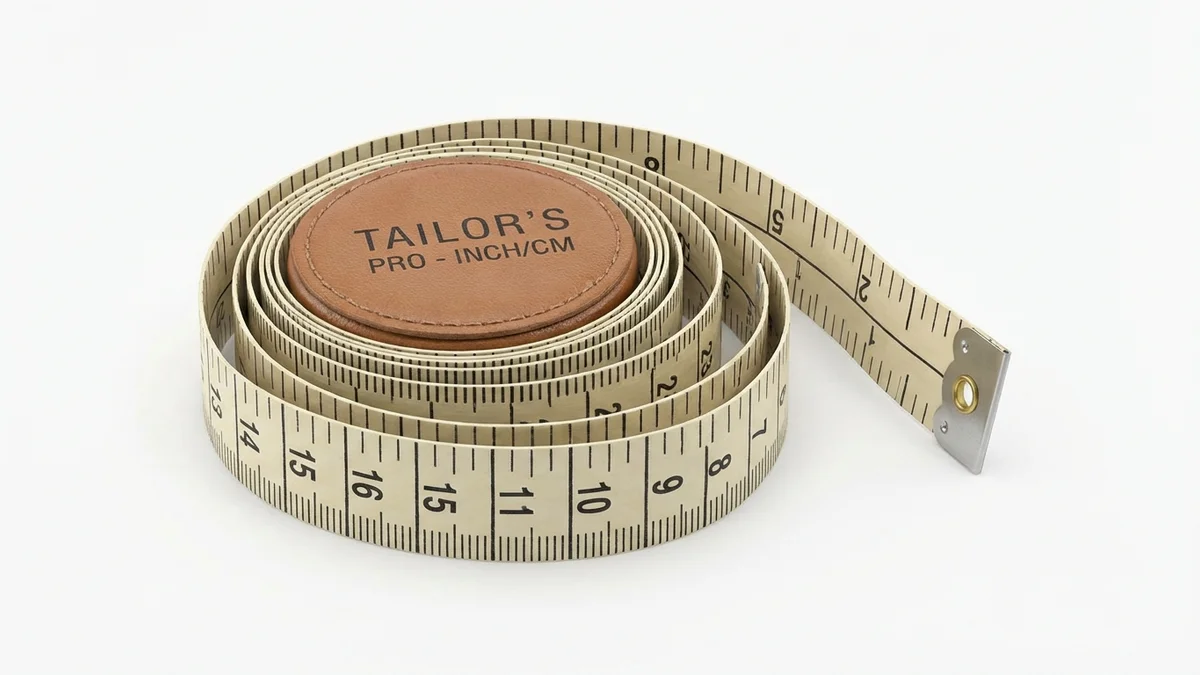
Essential for knowing your exact measurements. Soft, flexible tape perfect for measuring chest, waist, hips, and inseam accurately.
View on Amazon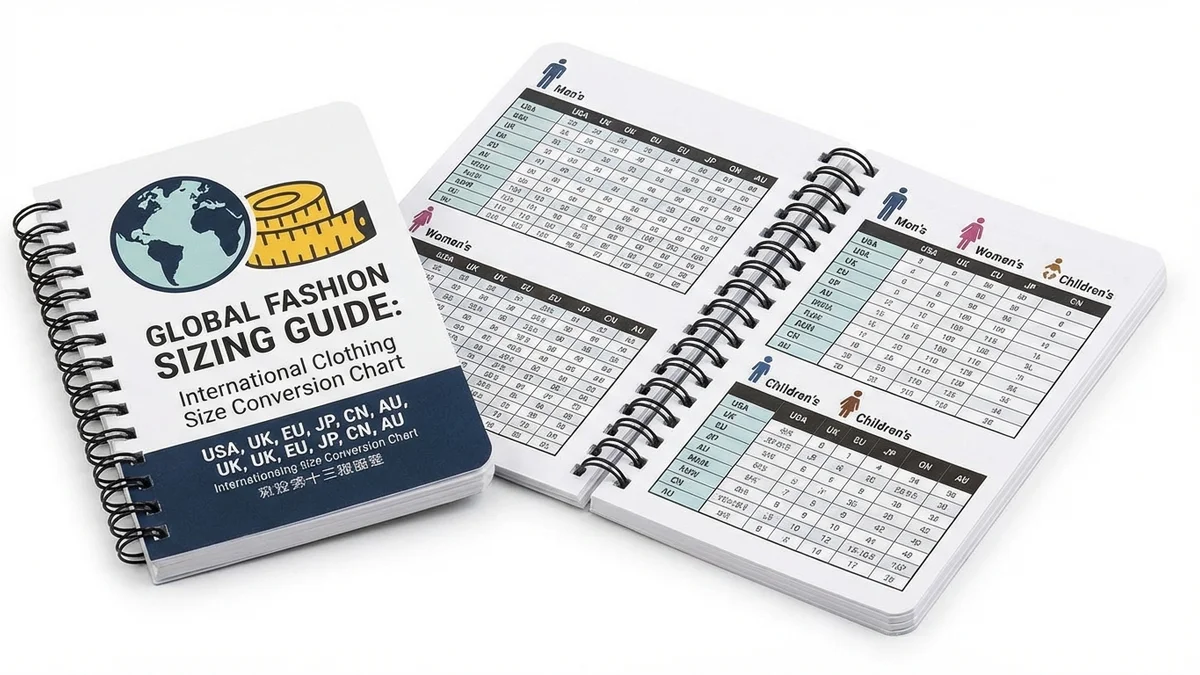
Master your sizing with this professional guide. Includes international size conversion charts and styling tips for all body types.
View on Amazon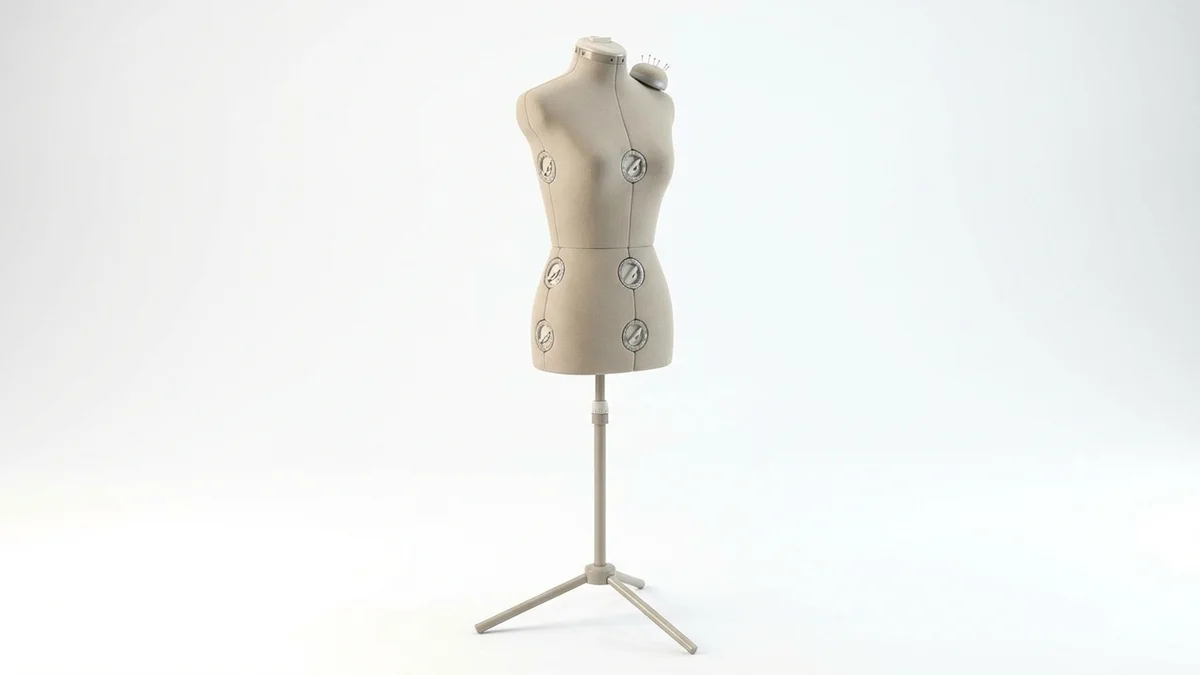
Once you find clothes that fit, keep them looking their best. This bestselling steamer removes wrinkles without damaging fabric.
View on AmazonThe Future of Personalized Sizing
The fashion industry is finally addressing its sizing problem.
Google's virtual try-on now works with billions of products. Their AI understands how different fabrics stretch and drape on different bodies.
Major retailers like Walmart, Amazon, and Stitch Fix invest heavily in fit technology. They know that solving sizing means fewer returns and happier customers.
The goal is simple: make every online purchase feel as confident as trying on in a fitting room.
Shop with Confidence
Finding clothes that fit online shouldn't feel like a gamble.
The 62% of shoppers struggling with fit aren't doing anything wrong. They're victims of a system that prioritizes marketing over standardization.
But change is coming. AI-powered sizing tools, virtual try-on technology, and smarter shopping strategies can help you beat the system.
Know your measurements. Use available technology. And remember: the problem isn't your body—it's an industry that refuses to standardize.
Ready to see how clothes actually look on you before buying? Try CheckMyFit's virtual try-on technology and end the sizing guessing game for good.
Your perfect fit is waiting.