

Quick change dresses let performers swap entire outfits in under two seconds. One moment a magician wears a red gown. A blink later, she's in blue. The audience gasps every time.
But quick change dresses aren't just for stage performers anymore. Convertible designs, reversible fabrics, and smart fashion engineering now bring instant outfit transformations to everyday life—from weddings to travel wardrobes.
This guide explains exactly how quick change dresses work, the different types available, and how to create or buy your own in 2026.
TL;DR
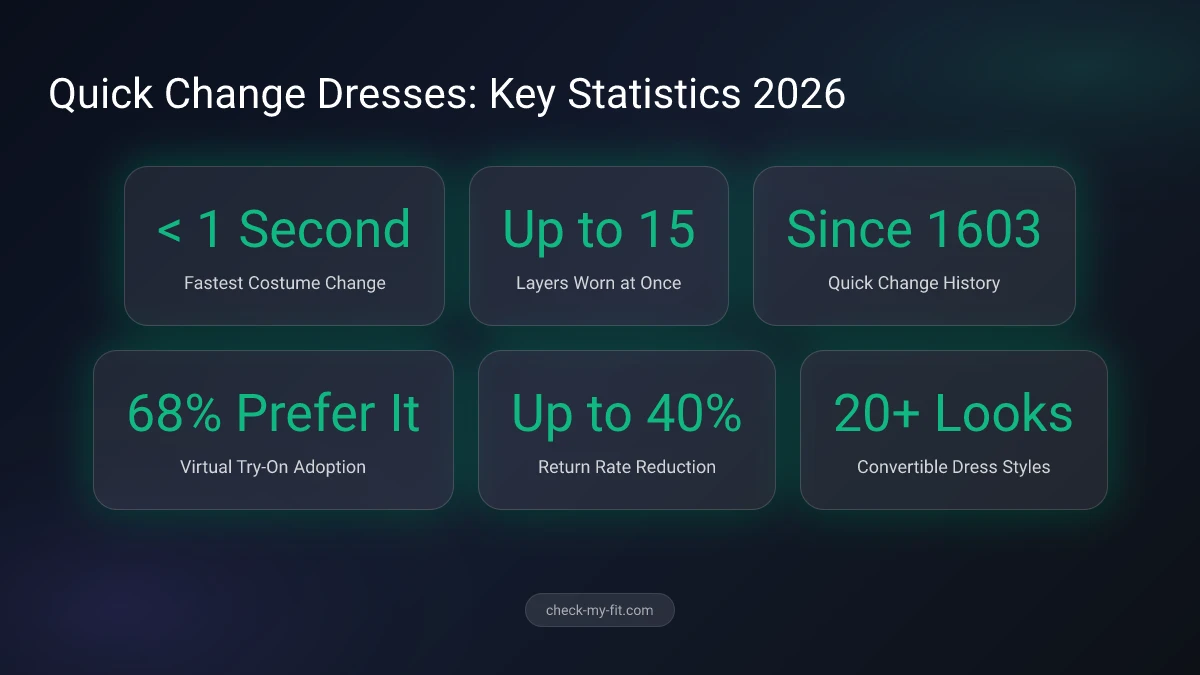
Quick change dresses use hidden mechanisms like magnets, Velcro, snap tape, and layered fabrics to enable instant outfit transformations. Originally developed for stage magic and theatrical performances, these techniques now appear in convertible fashion, show choir costumes, and everyday multi-way dresses. Professional performers achieve costume changes in under one second using misdirection and specialized rigging.
What Are Quick Change Dresses?
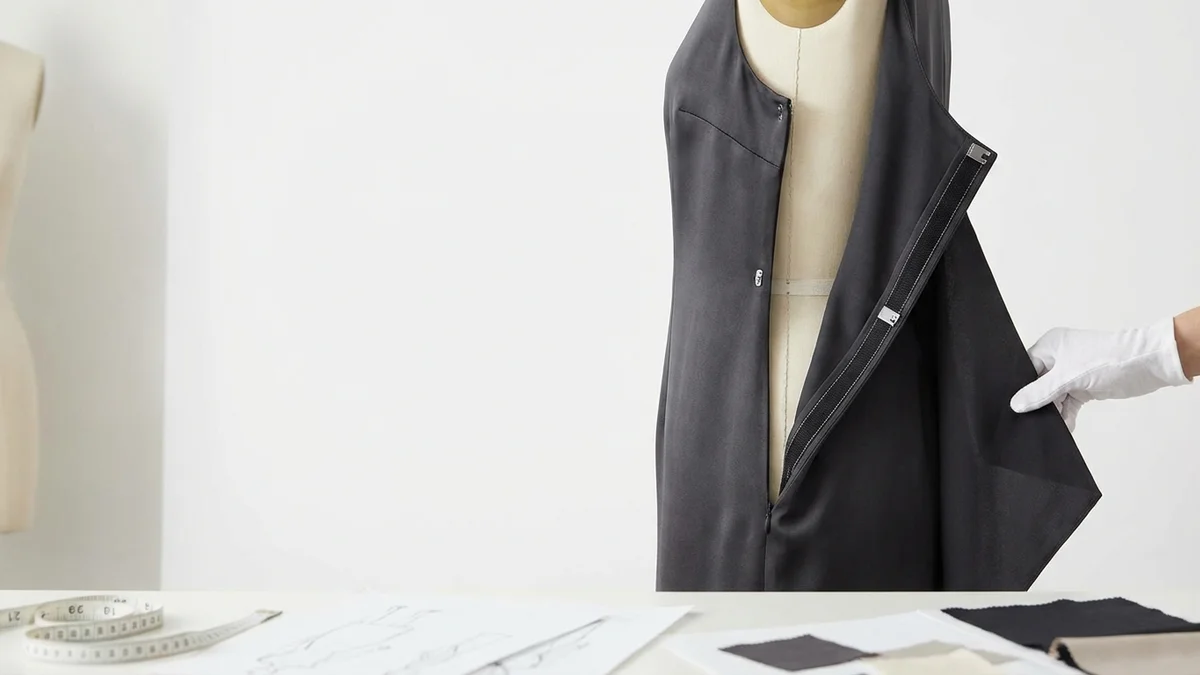
A quick change dress is any garment designed for rapid outfit transformation. The wearer can switch from one complete look to another in seconds—sometimes less than one second—without visible effort.
Quick change dresses fall into two broad categories:
Performance quick change dresses are custom-built costumes used by magicians, theater actors, dancers, and show choir performers. They rely on hidden release mechanisms, layered construction, and backstage assistance to create seemingly impossible transformations.
Fashion quick change dresses are everyday garments engineered for versatility. Convertible dresses, reversible designs, and multi-way wrap dresses let you create multiple looks from a single piece of clothing.
The quick change art form dates back to the 15th century, with Japanese kabuki theater pioneer Okuni performing early costume transformations in 1603.
| Feature | Performance Quick Change | Fashion Quick Change |
|---|---|---|
| Primary use | Stage, magic, theater | Daily wear, travel, events |
| Change speed | Under 2 seconds | 30 seconds to 2 minutes |
| Mechanism | Magnets, snap tape, wires | Wraps, ties, reversible fabric |
| Assistance needed | Usually yes (dresser) | No |
| Cost range | $200-$2,000+ custom | $30-$150 retail |
| Reusability | Hundreds of performances | Unlimited daily wear |
Key Takeaway: Quick change dresses exist on a spectrum—from professional-grade stage costumes with hidden mechanisms to practical everyday convertible garments that offer multiple styling options.
How Do Quick Change Dresses Work?
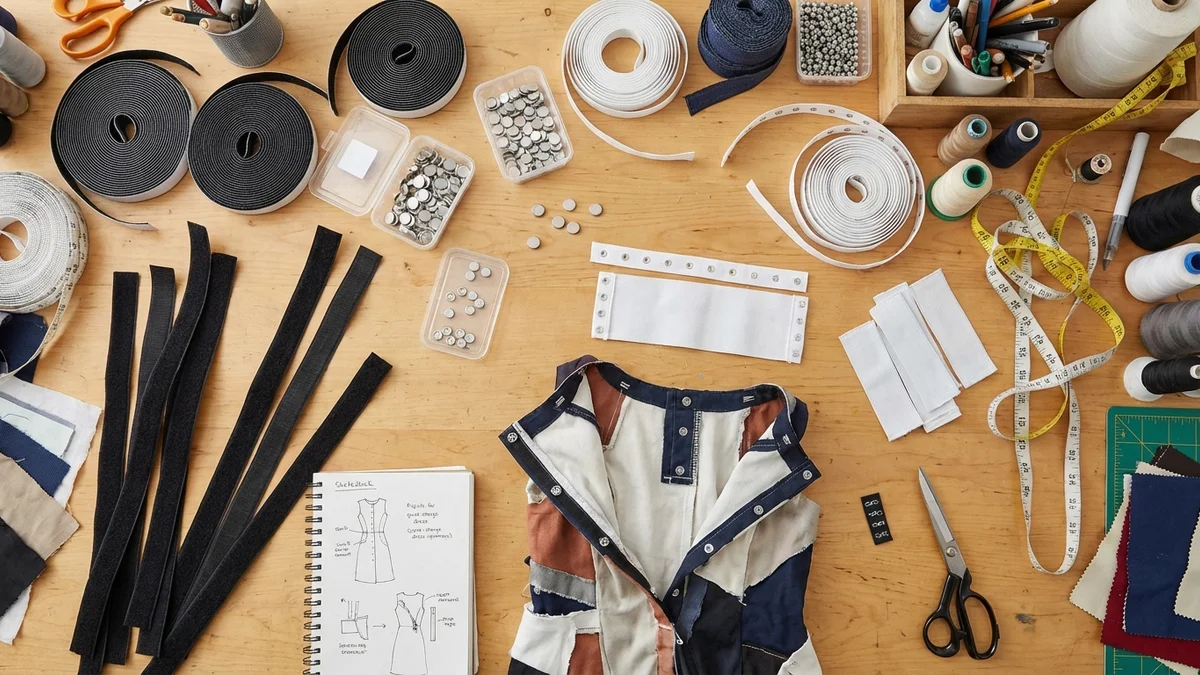
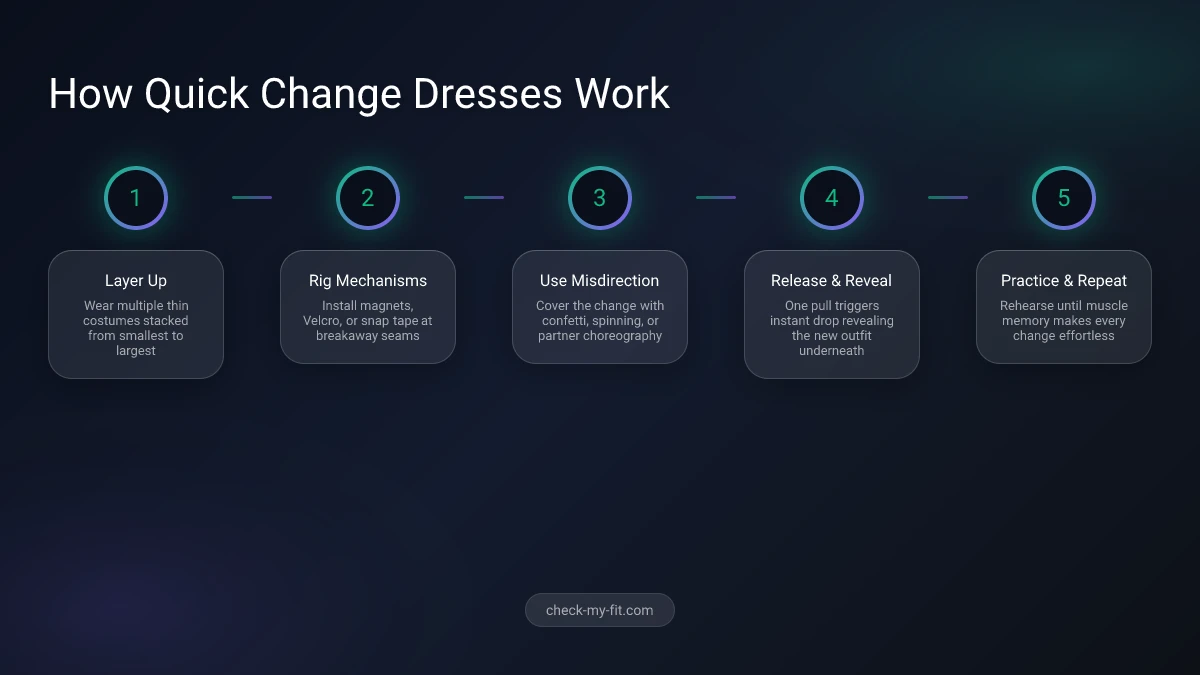
Quick change dresses work by replacing standard closures like buttons and zippers with instant-release mechanisms. The performer wears multiple thin layers simultaneously, each designed to detach or transform with a single motion. Misdirection—the art of directing audience attention elsewhere—covers the mechanical action during performances.
Here are the core mechanisms used in professional quick change dresses:
Magnetic Closures
Strong neodymium magnets embedded in seams create invisible closures that snap together silently. One firm pull separates the entire garment. Magnets work best for full-dress reveals where the outer layer drops completely.
Velcro Strips
Industrial-strength Velcro replaces traditional seams along the sides, shoulders, or back. A quick tug separates the strips instantly. Velcro works well for sleeves and skirts that need partial removal.
Snap Tape
Specialized snap tape uses directional poppers that release with a specific pull angle. This prevents accidental opening during performance while allowing instant release when triggered correctly.
Invisible Wires
Thin fishing lines threaded through dress seams connect to the performer's heels or waist. One calculated step triggers the drop, releasing the outer costume hands-free.
Elastic Panels
Stretch panels allow garments to be pulled over the body without unfastening. The performer steps out of the dress by stretching it downward, revealing the costume underneath.
| Mechanism | Speed | Noise Level | Best For | Difficulty |
|---|---|---|---|---|
| Magnets | Fastest | Silent | Full dress drops | Advanced |
| Velcro | Very fast | Moderate tear sound | Partial changes | Intermediate |
| Snap tape | Fast | Quiet click | Layered reveals | Intermediate |
| Invisible wires | Instant | Silent | Hands-free drops | Advanced |
| Elastic panels | Moderate | Silent | Convertible looks | Beginner |
The Layering Strategy
Professional quick change artists wear multiple outfits simultaneously—like a Russian nesting doll. The outermost layer is the largest and loosest. Each layer underneath is slightly smaller and more form-fitting. The innermost layer is typically a bodysuit or leotard.
Fabric matters. Silk, satin, and synthetic blends are preferred because they:
- Slide off smoothly without catching
- Stay wrinkle-free under compression
- Add minimal bulk when layered
- Look polished under stage lighting
Key Takeaway: The fastest quick changes combine magnetic closures with strategic layering—allowing an entire outfit to drop in under one second while revealing a perfectly pressed costume underneath.
What Types of Quick Change Dresses Exist?
Quick change dresses serve different purposes across entertainment, fashion, and practical applications. Understanding the types helps you choose the right one for your needs.
Stage Magic Quick Change Dresses
These are the most complex. Professional magicians like Léa Kyle and David & Dania use custom-engineered costumes with multiple release mechanisms. A single dress might contain magnets, snap tape, and invisible wires working together. Stage quick changes happen in under one second.
Theatrical Costume Quick Changes
Theater productions require actors to change costumes backstage during scenes. These changes typically take 15-30 seconds with dresser assistance. The costumes use exposed zippers, Velcro closures, and strategic layering. Broadway productions like Singin' in the Rain famously require multiple rapid costume changes per show.
Show Choir and Dance Quick Changes
Show choir performers need to change costumes on stage during transitions. Wrap-style quick change dresses like the popular Kane Wrap design use Velcro waist closures and full circular skirts. Dancers can add or remove the wrap layer in seconds while the ensemble continues performing.
Convertible Multi-Way Dresses
Infinity dresses feature extra-long fabric panels that wrap, twist, and tie in dozens of configurations. One dress becomes a halter, strapless, one-shoulder, or cap-sleeve design. These are popular for weddings, travel, and capsule wardrobes.
Reversible Dresses
Two-sided construction creates two distinct looks in one garment. Flip the dress inside out to reveal a completely different color, pattern, or texture. Modern reversible dresses use premium construction so both sides look intentional.
| Type | Change Time | Assistance | Use Case | Price Range |
|---|---|---|---|---|
| Stage magic | < 1 second | Yes | Professional performances | $500-$2,000+ |
| Theatrical | 15-30 seconds | Yes (dresser) | Broadway, community theater | $100-$500 |
| Show choir | 3-10 seconds | No | Dance, choir performances | $80-$200 |
| Convertible | 1-3 minutes | No | Weddings, travel, events | $40-$120 |
| Reversible | 30 seconds | No | Daily wear, travel | $30-$80 |
The History of Quick Change Performances
The art of quick change stretches back centuries. Understanding its evolution helps explain why these techniques remain popular today.
1603 - Kabuki Origins. Japanese kabuki theater introduced hayagawari (quick change), where actors transformed characters on stage. The technique used loose-fitting kimonos with basting stitches that assistants pulled free during performances.
1890s - Leopoldo Fregoli. Italian performer Leopoldo Fregoli became the father of modern quick change. He performed over 60 costume changes in a single show, switching between male and female characters. His speed was so legendary that "Fregolism" became a psychological term.
1980s - Arturo Brachetti. Italian artist Arturo Brachetti modernized quick change by incorporating theatrical storytelling. He holds a Guinness World Record for the most costume changes in a performance.
2010s - David & Dania. This Ukrainian-Israeli duo brought quick change to mainstream audiences through America's Got Talent and viral social media clips. Their performances average 15-20 costume changes in under four minutes.
2021 - Léa Kyle. French magician Léa Kyle won America's Got Talent with breathtaking quick change performances using paper, fabric, and light effects. Her audition video has over 200 million views.
2024-2026 - Digital Quick Change. Virtual try-on technology creates digital quick changes—letting anyone swap outfits instantly using AI. No physical costumes required.
How to Make a Quick Change Dress at Home

You don't need professional costume training to create a basic quick change dress. These DIY techniques work for Halloween costumes, school performances, and cosplay events.
Step 1: Choose Your Two Looks
Select two contrasting outfits. The inner costume should fit snugly against your body. The outer costume should be slightly larger to fit over it without bulk.
Step 2: Replace Closures with Velcro
Remove buttons, zippers, or ties from the outer garment. Replace them with industrial-strength Velcro strips along the seams. Sew one side of the Velcro to each seam edge so the garment holds together naturally but releases with a firm pull.
Step 3: Add Strategic Breakaway Points
Identify where the outer costume needs to separate. Common breakaway points include:
- Both side seams (waist to hem)
- Center back seam (neck to hem)
- Shoulder seams (for sleeveless reveals)
Step 4: Pool the Outer Costume
Practice the "pooling" technique: lay the outer dress on the floor in a circle. Step into the center and pull it up over your body in one smooth motion. This is how theatrical dressers help actors get into quick change costumes rapidly.
Step 5: Practice the Release
Rehearse the removal motion until it becomes muscle memory. The best quick changes happen when your body knows the movements instinctively—no thinking required.
Key Takeaway: A basic DIY quick change dress requires Velcro, two contrasting outfits, and practice. Start with a simple side-seam breakaway before attempting more complex mechanisms.
Best Quick Change Techniques for Every Setting
Different settings demand different approaches. Here's how to adapt quick change techniques to your specific situation.
For Theater Productions
- Use exposed zippers on the outer layer (easier for dressers to find in dim light)
- Pre-set costumes on quick-change rails in order of appearance
- Assign one dresser per costume piece
- Communicate with the stage manager about timing cues
For Magic and Stage Performances
- Layer costumes thinnest-to-thickest (innermost layer first)
- Use misdirection: confetti, spinning, fabric screens, or partner choreography
- Connect release mechanisms to natural performance movements
- Test all magnets and snaps before every show
For Dance and Show Choir
- Choose wrap-style designs that add or remove in one motion
- Practice changes during choreography transitions
- Use Velcro-closure wrap dresses for the fastest results
- Ensure costumes don't restrict movement when layered
For Fashion and Events
- Invest in a quality convertible infinity dress
- Learn 5-7 wrapping configurations before your event
- Pack a reversible dress for travel to cut luggage in half
- Use color-blocked designs for the most dramatic transformations
Virtual Try-On: The Modern Quick Change
Technology has created the ultimate quick change: digital outfit transformation. Instead of rigging physical costumes, you can now change your outfit virtually in seconds using AI.
How it works: Upload a photo of yourself. Select any dress or outfit from a catalog. AI technology maps the clothing to your body shape, skin tone, and proportions—creating a realistic preview of how you'd look wearing it.
This is especially powerful for:
- Shopping decisions — See 20 outfits on your body in five minutes instead of spending hours in fitting rooms
- Event planning — Preview bridesmaid dresses, prom gowns, or costume ideas before purchasing
- Fashion experimentation — Try bold styles risk-free before committing
CheckMyFit offers free virtual try-on that lets you visualize any outfit on your body instantly. Think of it as a digital quick change—no magnets, no Velcro, no dresser needed. Just upload, select, and see the transformation.
68% of online shoppers prefer retailers that offer virtual try-on technology, reducing return rates by up to 40%.
Key Takeaway: Virtual try-on technology is the modern evolution of quick change artistry—delivering instant outfit transformations through AI rather than physical costume engineering.
Recommended Products for Quick Change Dresses
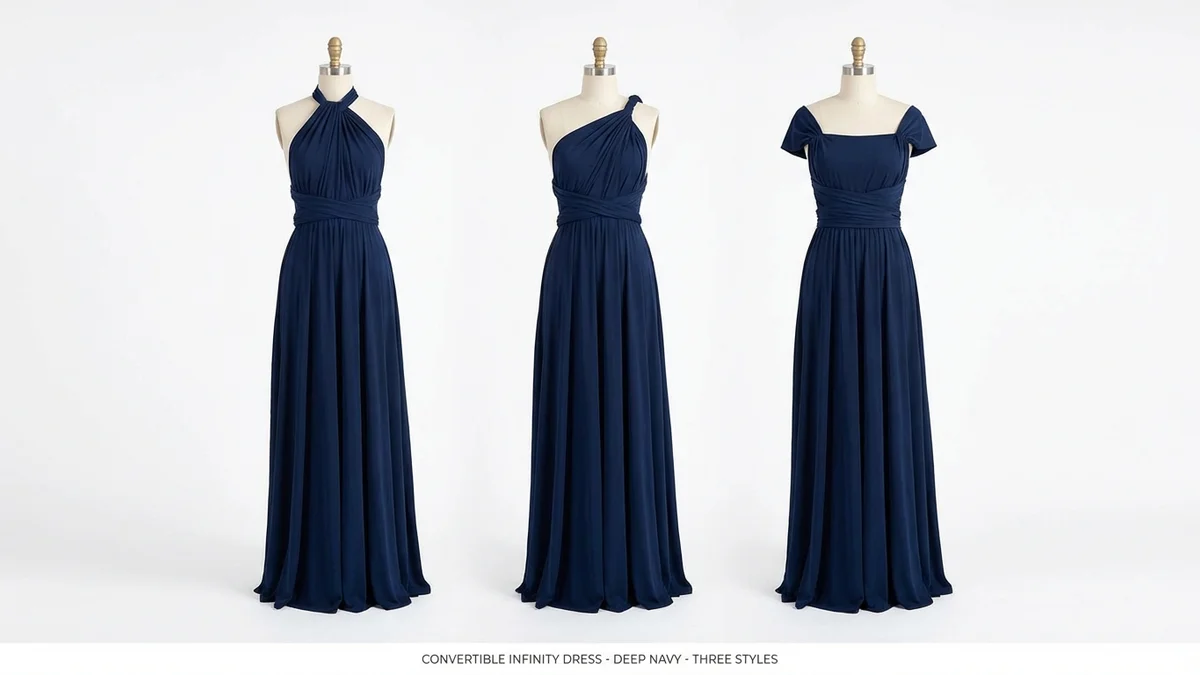
One dress, dozens of looks. This infinity wrap converts into halter, strapless, one-shoulder, and cap-sleeve styles—perfect for quick outfit changes at events.
View on Amazon →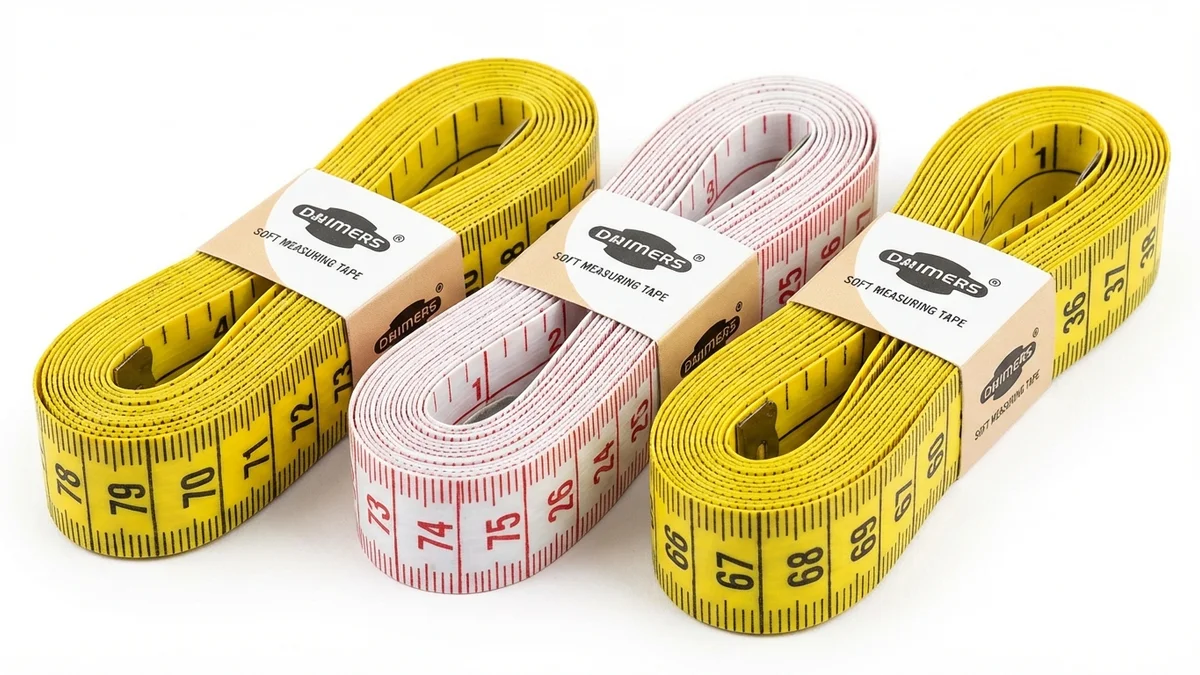
Essential for measuring your body before creating DIY quick change costumes. Accurate measurements ensure the inner layer fits snugly while the outer layer has room to release.
View on Amazon →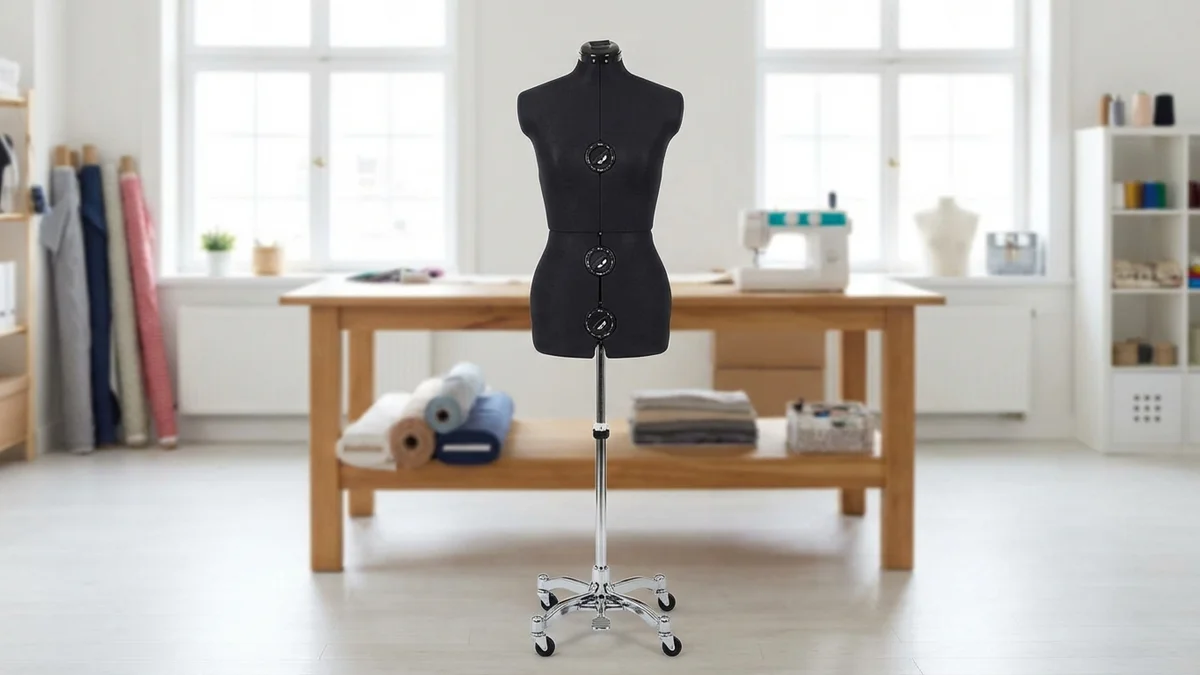
Build and test quick change costumes on an adjustable form that matches your body. Essential for placing Velcro strips, magnets, and breakaway seams in the right positions.
View on Amazon →Frequently Asked Questions
Do Quick Change Artists Wear All the Clothes at Once?
Yes, most quick change performers wear multiple thin layers simultaneously. The outermost costume is the largest, with each layer underneath progressively smaller and more form-fitting. Silk and satin fabrics minimize bulk. Some performers wear up to 12-15 layers in a single routine, shedding each one to reveal the next outfit underneath during the performance.
How Fast Is a Quick Change?
Professional quick change artists complete costume transformations in under one second. The human eye blinks in approximately 0.3 seconds, meaning the fastest changes happen literally in the blink of an eye. Theatrical quick changes backstage typically take 15-30 seconds with dresser assistance, while fashion convertible dresses require one to three minutes to restyle completely.
What Fabric Is Best for Quick Change Dresses?
Silk, satin, and lightweight synthetic blends work best for quick change dresses. These fabrics slide off the body smoothly without catching or snagging on underlying layers. They resist wrinkling under compression from multiple layers, maintain a polished appearance under stage lighting, and add minimal bulk when stacked. Avoid heavy cotton, wool, or textured fabrics that create friction between layers.
Can Beginners Learn Quick Change Techniques?
Absolutely. Start with simple Velcro-based costume changes before advancing to magnetic or wire-triggered mechanisms. A basic two-layer breakaway dress requires only sewing skills, industrial Velcro, and practice. Many community theater groups teach quick change basics to volunteers. Online tutorials and TikTok videos demonstrate step-by-step DIY techniques that work for school plays, Halloween costumes, and cosplay events.
How Much Do Quick Change Costumes Cost?
Costs vary dramatically by type. A convertible infinity dress for fashion use costs $30-$120 retail. DIY theatrical quick change costumes run $50-$200 in materials. Professional-grade stage magic costumes range from $500 to $2,000 or more, depending on the number of mechanisms, custom fabric work, and complexity of the transformations required.
Can You Do a Quick Change Without an Assistant?
Yes, but it limits the types of changes available. Self-operated quick changes work best with wrap-style costumes, reversible garments, and magnetic release mechanisms that the performer can trigger independently. Wire-connected releases tied to footwork also eliminate the need for a dresser. However, the fastest multi-layer stage changes typically require one or two trained dressing assistants for optimal speed.
What Are Quick Change Dressing Frames?
Quick change dressing frames (also called quick change easels) are portable screens that performers stand behind during backstage costume changes. They provide privacy while keeping the performer close to the stage entrance. Professional frames fold flat for transport and include hooks, shelves, and lighting for the dresser to work efficiently.
Where Can You Buy Quick Change Dresses Online?
Specialty retailers like Quick Change Products and 52magic.com sell professional-grade quick change costumes for magicians. Amazon and Etsy offer convertible infinity dresses and novelty quick change costumes for parties. For custom theatrical costumes, contact professional costume designers who specialize in breakaway garments. For virtual outfit changes, apps like CheckMyFit let you preview any outfit instantly.
Conclusion
Quick change dresses combine engineering, artistry, and performance to create unforgettable outfit transformations. Whether you're a magician perfecting a stage illusion, an actor preparing for a theatrical run, or someone who wants versatile fashion options, quick change techniques offer practical solutions.
The fundamentals remain the same across every application: lightweight fabrics, instant-release mechanisms, strategic layering, and plenty of practice.
And if you want the fastest outfit change possible, skip the Velcro entirely. Try CheckMyFit's virtual try-on to see any outfit on your body in seconds—the ultimate digital quick change.