Egyptian Attire: Complete Guide to Traditional & Ancient Egyptian Clothing
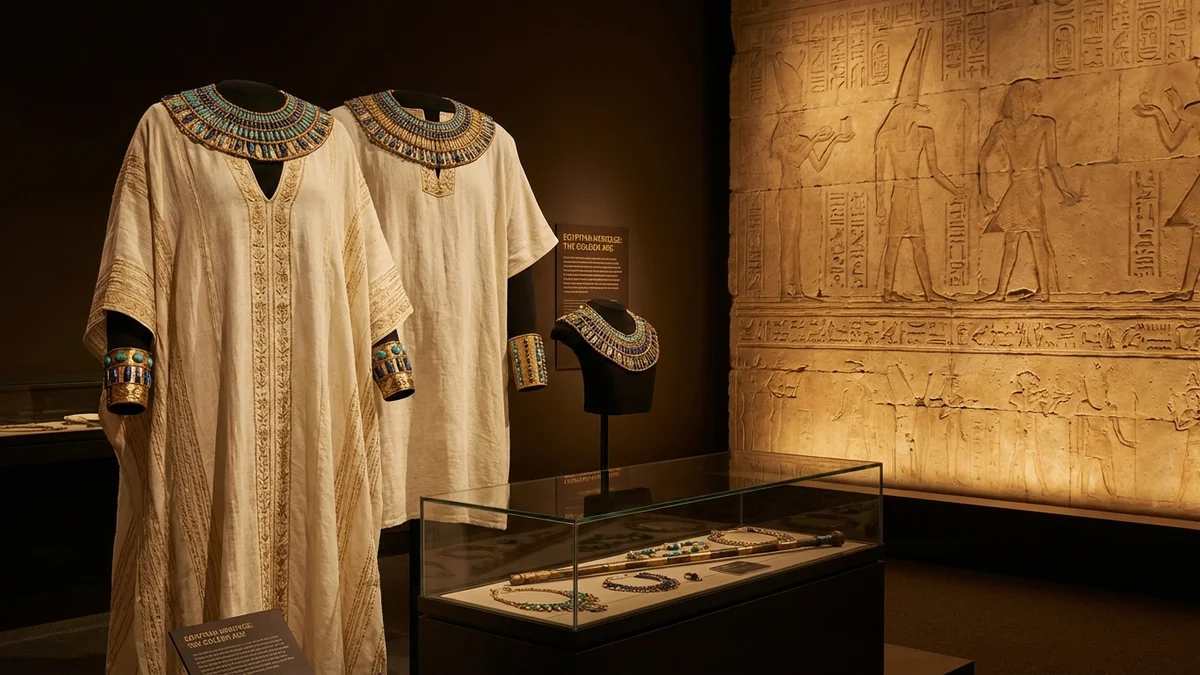
Egyptian attire represents one of the oldest and most influential fashion traditions in human history. From the flowing white linen garments of ancient pharaohs to the vibrant modern interpretations, Egyptian clothing tells a story of cultural sophistication, practical design, and timeless elegance.
Whether you're researching ancient Egyptian clothing for historical interest, planning to wear Egyptian traditional dress for a special occasion, or simply curious about fashion from ancient Egypt, this comprehensive guide covers everything you need to know.
What is Egyptian Attire?
Egyptian attire encompasses the traditional clothing styles developed along the Nile River over thousands of years. This includes both ancient Egyptian clothing worn during the pharaonic era and the traditional Egyptian wear that evolved through Islamic and modern periods.
Key Takeaway: Egyptian attire is characterized by lightweight linen fabrics, draped silhouettes, and symbolic accessories that reflect Egypt's hot climate and rich cultural heritage.
The evolution of Egyptian clothing can be divided into three main periods:
| Period | Timeframe | Key Characteristics |
|---|---|---|
| Ancient Egypt | 3100 BCE - 30 BCE | White linen, minimal stitching, elaborate jewelry |
| Islamic Period | 7th century - 1800s | Modest coverings, layered fabrics, intricate embroidery |
| Modern Era | 1900s - Present | Blend of Western and traditional styles, ceremonial dress |
Traditional Egyptian clothes were designed with the desert climate in mind. The hot, dry weather demanded breathable fabrics and loose-fitting designs that allowed air circulation while protecting skin from the intense sun.
Ancient Egyptian Clothing: A Historical Overview
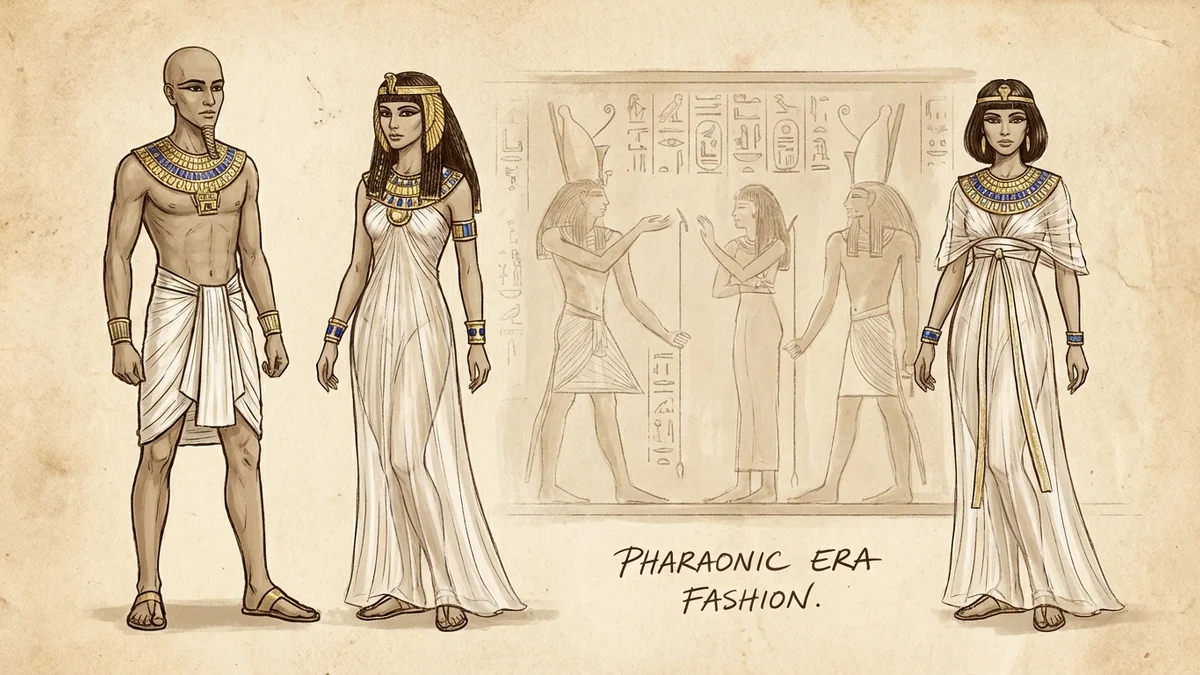
Ancient Egyptian clothing was remarkably sophisticated for its time. The Egyptians were master weavers who produced the finest linen in the ancient world. Their fashion choices were influenced by social status, religious beliefs, and practical needs.
Fabrics and Materials
Linen was the fabric of choice in ancient Egypt. Made from flax plants that grew abundantly along the Nile, linen was:
- Breathable - Perfect for the hot climate
- Durable - Could withstand frequent washing
- Symbolic - Associated with purity and light
The finest linen in ancient Egypt was so delicate it was called "woven air" and was reserved exclusively for royalty and high priests.
Social Class and Dress
What people wore in ancient Egypt directly reflected their social position:
| Social Class | Typical Attire |
|---|---|
| Pharaohs | Finest pleated linen, gold accessories, elaborate headdresses |
| Nobility | High-quality white linen, semi-precious jewelry |
| Priests | White linen robes, leopard skin sashes |
| Workers | Simple loincloths or short kilts |
| Children | Often unclothed until puberty |
The wealthy could afford multiple garments dyed with expensive colors like blue (from lapis lazuli) or red (from madder root). Common people typically wore undyed white or off-white linen.
Types of Traditional Egyptian Garments
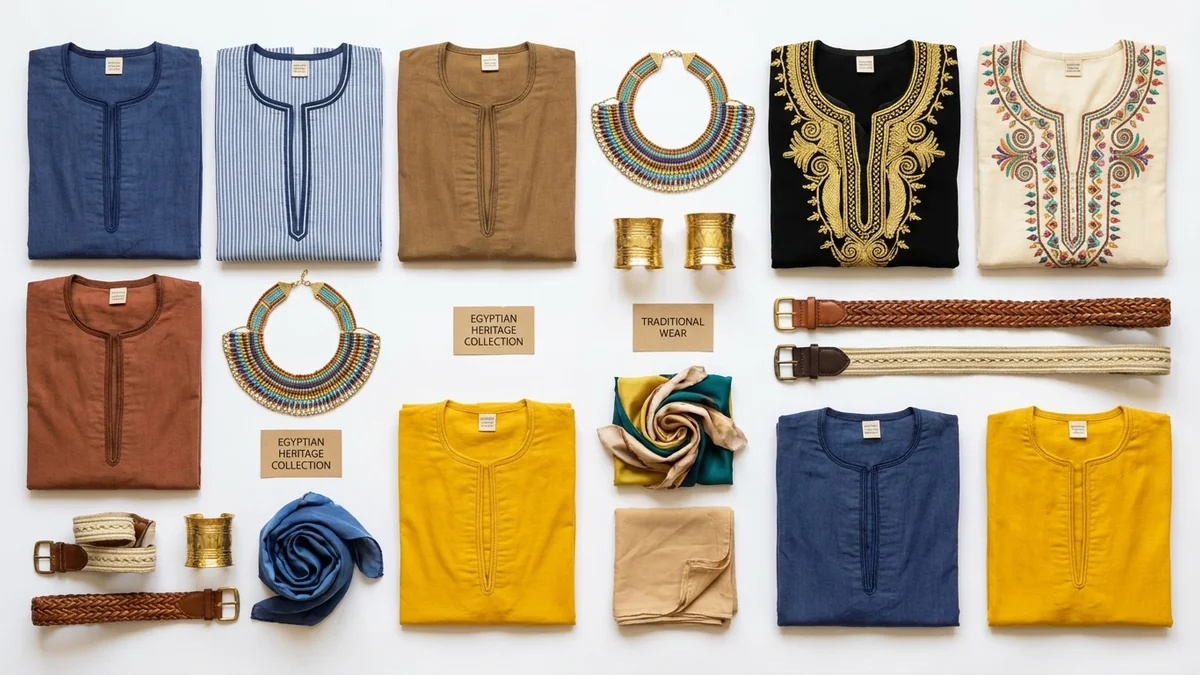
Egyptian traditional wear includes several distinctive garment types that have evolved over millennia. Understanding these styles helps appreciate the depth of Egyptian fashion heritage.
The Shendyt (Kilt)
The shendyt was the most common garment for men in ancient Egypt. This wrapped skirt-like garment ranged from simple wrapped cloth for workers to elaborately pleated versions with gold threads for royalty.
The Kalasiris
Women wore the kalasiris, a form-fitting sheath dress that extended from below the bust to the ankles. These dresses were often:
- Made from fine, sometimes transparent linen
- Held up by one or two shoulder straps
- Decorated with beadwork or embroidery
The Galabeya (Modern)
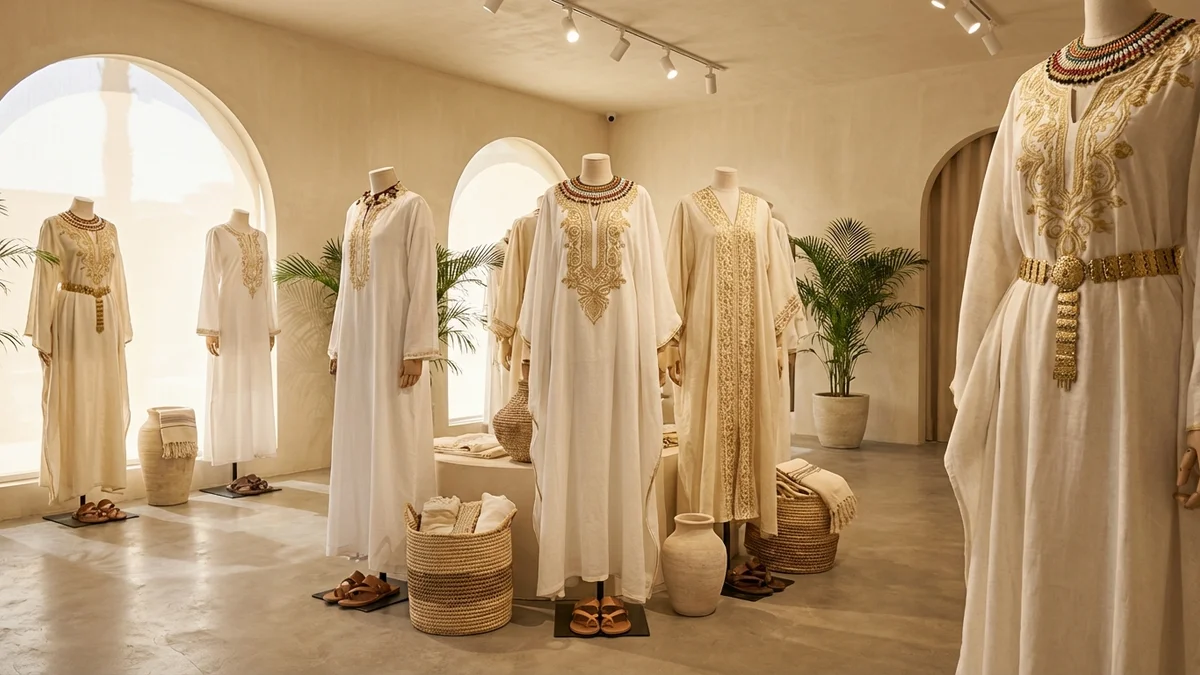
The galabeya remains Egypt's most recognized traditional garment today. This loose-fitting, full-length robe is worn by both men and women and comes in various styles:
| Style | Description | Occasion |
|---|---|---|
| Baladi | Simple cotton, often striped | Daily wear |
| Afrangi | Fine fabric, Western influence | Formal events |
| Saudi-style | White, simple cut | Religious occasions |
Traditional Accessories
Egyptian attire is incomplete without its iconic accessories:
- Usekh Collar - Broad collar necklace representing the sun
- Khat Headdress - Striped head covering worn by nobility
- Anklets and Bracelets - Often made of gold or faience
- Kohl Eyeliner - Worn by all genders for protection and beauty
Egyptian Attire for Special Occasions
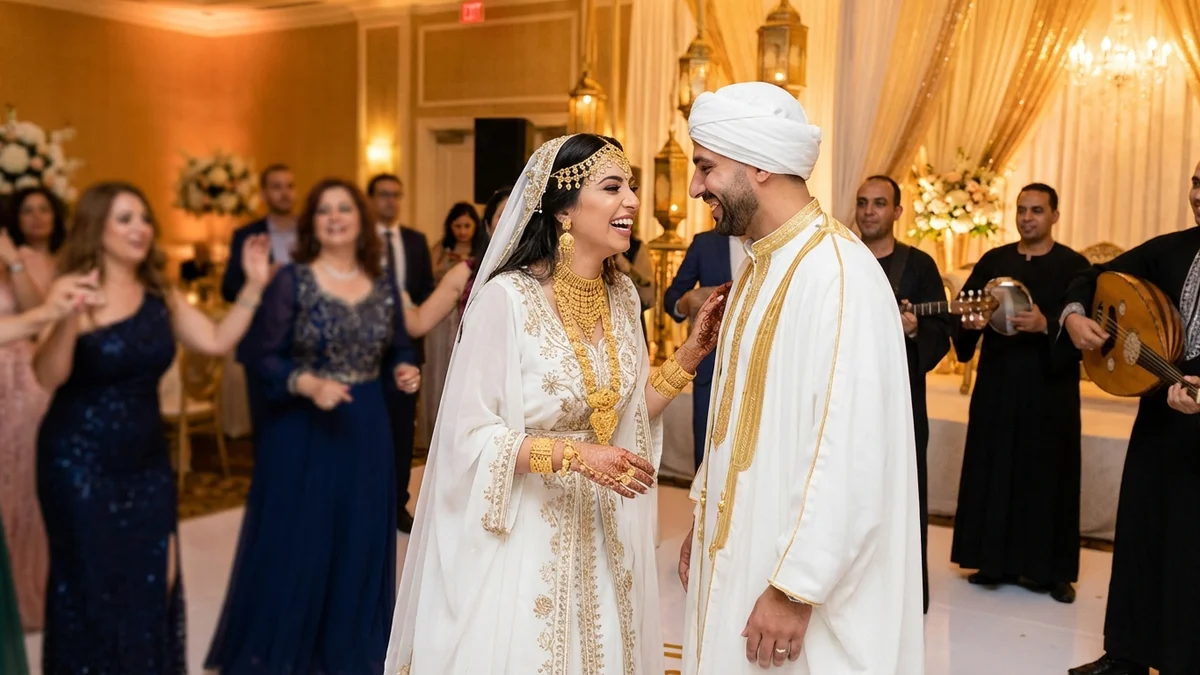
Traditional Egyptian clothing takes center stage during special celebrations and cultural events. Understanding when and how to wear these garments adds to their significance.
Weddings
Egyptian weddings feature some of the most elaborate traditional dress. Brides often wear:
- Heavily embroidered white or gold gowns
- Traditional jewelry including the "shabka" (bridal gold set)
- Ornate headdresses or veils
Grooms may wear formal galabeyas in white or cream, often with embroidered details.
Religious Celebrations
During Ramadan and Eid, Egyptians don their finest traditional wear. This includes:
- New galabeyas for the entire family
- Special children's outfits for Eid
- Traditional embroidered prayer caps
Cultural Festivals
Folk festivals and celebrations showcase regional Egyptian dress variations, including:
- Bedouin-influenced styles from the Sinai
- Nubian traditional dress from southern Egypt
- Saidi styles from Upper Egypt
Curious how Egyptian-inspired outfits would look on you? With virtual try-on technology, you can experiment with traditional styles before committing to a purchase. CheckMyFit lets you visualize different Egyptian-inspired garments on your own photo, making it easy to find the perfect style for your next cultural event or themed celebration.
Recommended Products for Egyptian-Inspired Fashion
Looking to incorporate Egyptian style into your wardrobe? Here are our top picks for authentic accessories and clothing items:
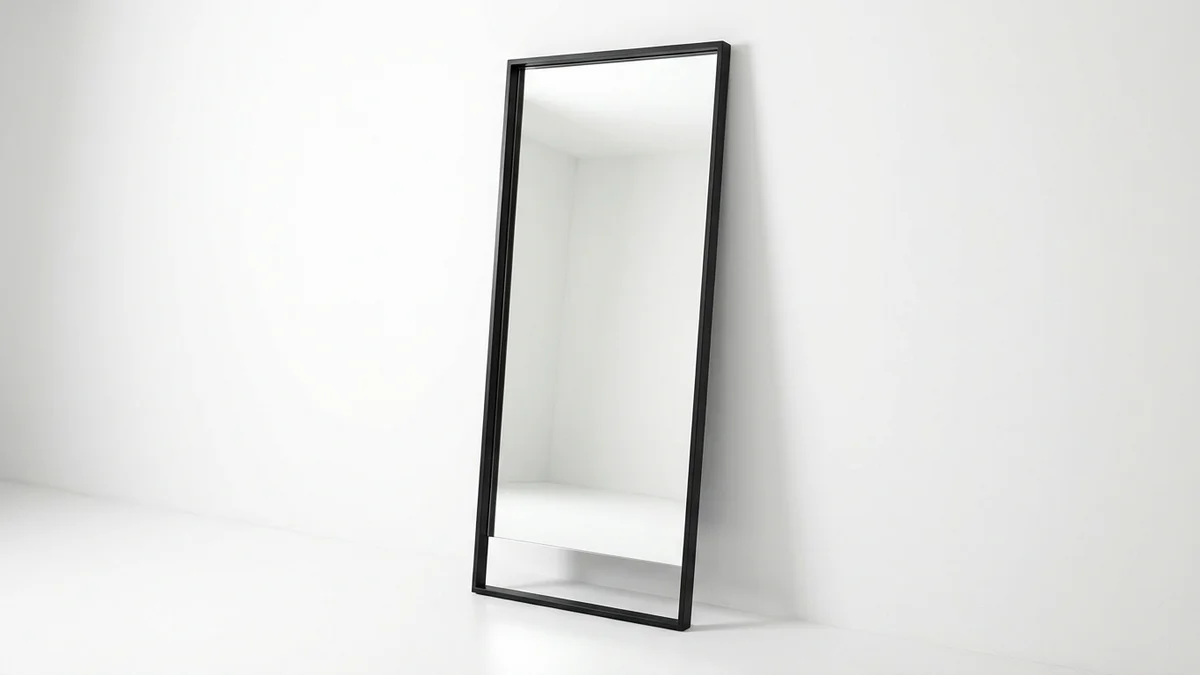
Perfect for trying on Egyptian-inspired outfits at home. Full-length view helps you style complete looks from headdress to sandals.
View on Amazon →
Keep linen garments wrinkle-free. Essential for maintaining the crisp, flowing look of traditional Egyptian-style clothing.
View on Amazon →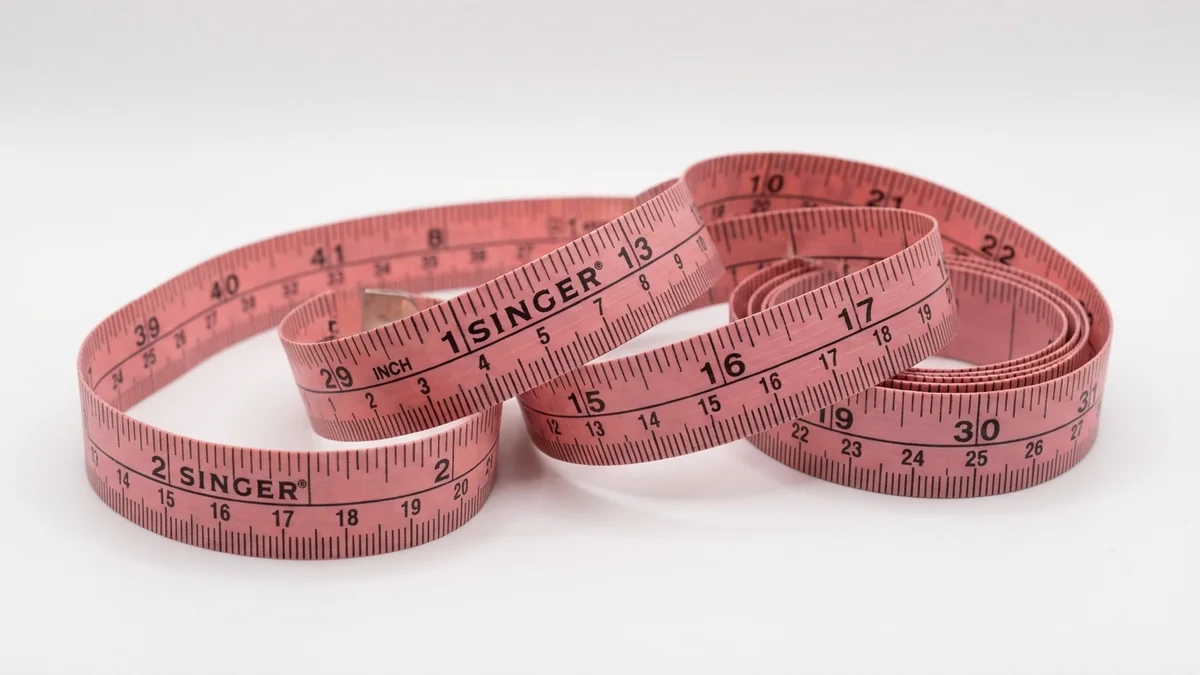
Essential for ordering traditional garments online. Get accurate measurements to ensure your galabeya or kaftan fits perfectly. Amazon's Choice with 400+ bought last month.
View on Amazon →How to Style Egyptian-Inspired Outfits Today
Modern fashion frequently draws inspiration from ancient Egyptian clothing. Here's how to incorporate these timeless elements into contemporary style:
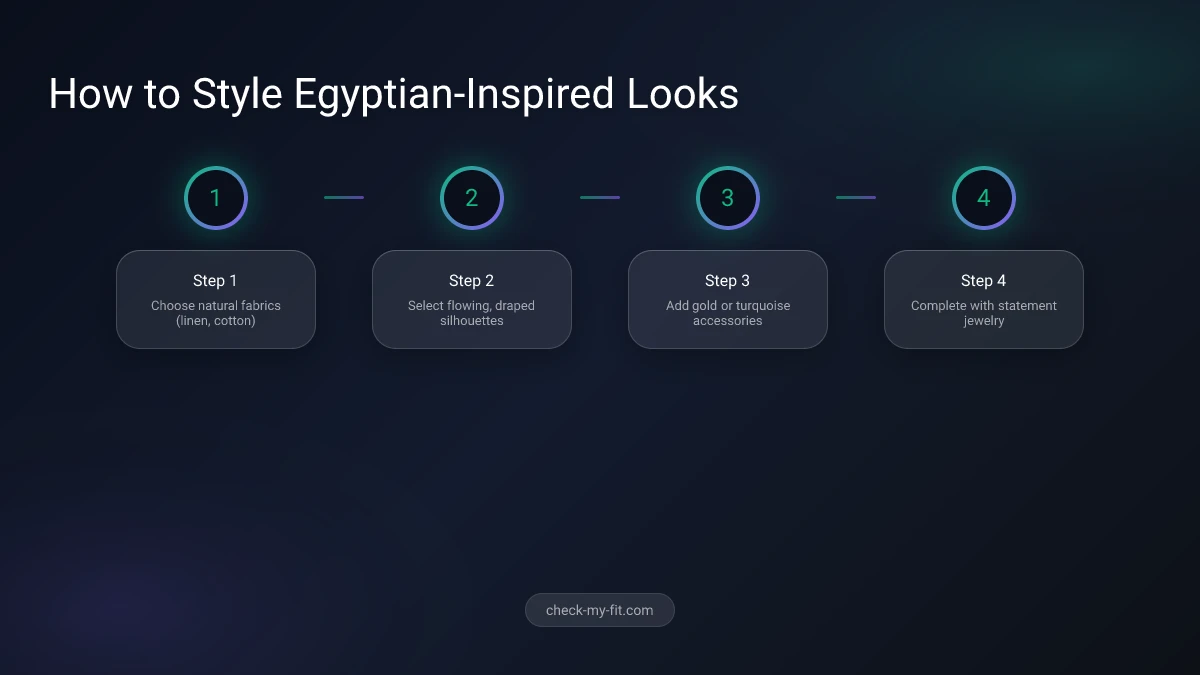
Embrace Natural Fabrics
- Choose linen and cotton for that authentic feel
- Look for loose, draped silhouettes
- Opt for neutral tones: white, cream, gold, and turquoise
Accessorize Thoughtfully
Egyptian-inspired accessories can transform any outfit:
- Statement collars - Modern interpretations of the usekh collar
- Gold cuffs - Channel ancient royalty
- Turquoise jewelry - A color sacred to ancient Egyptians
- Braided sandals - Classic Egyptian footwear design
Color Palette Inspiration
| Ancient Egyptian Color | Meaning | Modern Usage |
|---|---|---|
| White | Purity, joy | Base garments |
| Gold | Sun, divinity | Accessories, accents |
| Turquoise | Protection, fertility | Jewelry, embroidery |
| Royal Blue | Sky, heavens | Statement pieces |
| Black | Fertility, Nile soil | Kohl makeup, accents |
Occasion-Based Styling
- Casual Day Look: Linen tunic + gold sandals + simple gold hoops
- Beach Resort: Flowing kaftan + turquoise accessories
- Evening Event: Draped gown + statement collar necklace + gold cuffs
- Cultural Celebration: Authentic galabeya + traditional jewelry set
The Influence of Egyptian Fashion Today
Egyptian attire continues to influence global fashion. Major designers regularly reference ancient Egyptian motifs in their collections. You'll see Egyptian influences in:
- Runway collections featuring draped silhouettes
- Jewelry designs inspired by pharaonic accessories
- Color combinations drawn from tomb paintings
- Architectural patterns in fabric prints
The timeless appeal of Egyptian traditional clothes lies in their perfect balance of form and function. Garments designed for the Nile Valley's climate thousands of years ago still offer comfort and elegance today.
Conclusion
Egyptian attire represents a fascinating journey through fashion history. From the elegant simplicity of ancient linen robes to the elaborate embroidery of modern galabeyas, Egyptian clothing traditions continue to inspire and influence global fashion.
Whether you're interested in historical accuracy or modern Egyptian-inspired style, understanding these rich traditions helps you appreciate the cultural significance behind each garment. The emphasis on natural fabrics, practical design, and symbolic accessories offers timeless lessons in dressing well.
Ready to see how Egyptian-inspired styles would look on you? Try CheckMyFit to virtually try on different looks and discover which Egyptian-influenced garments complement your personal style best.