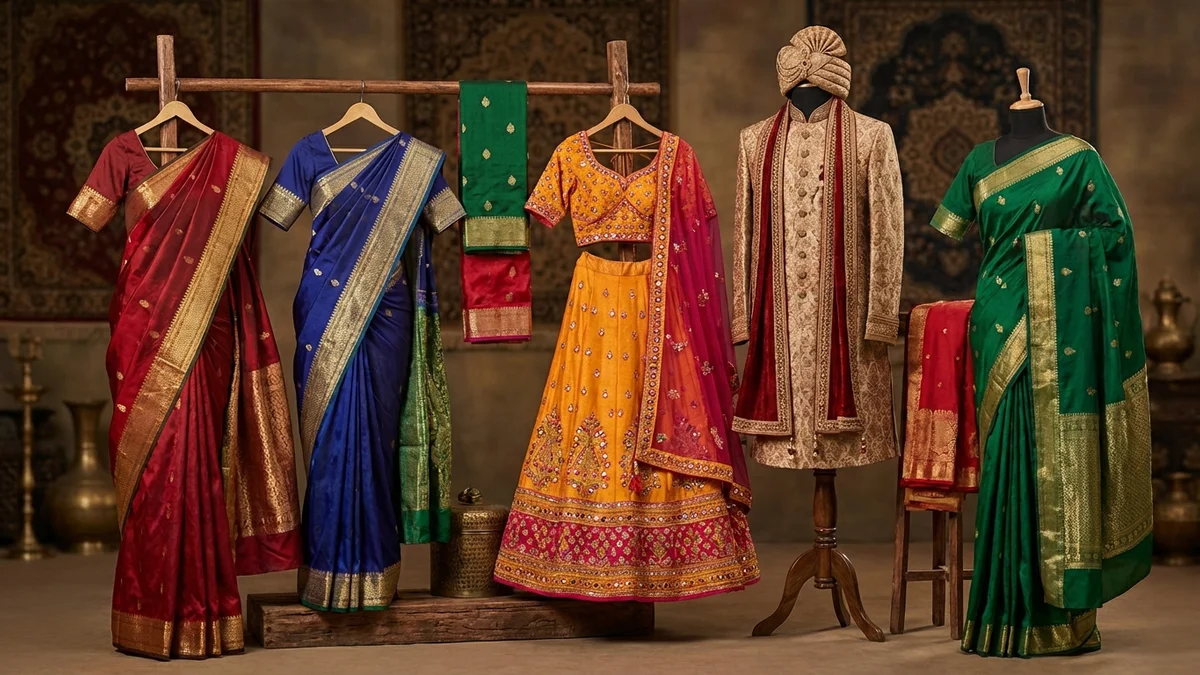
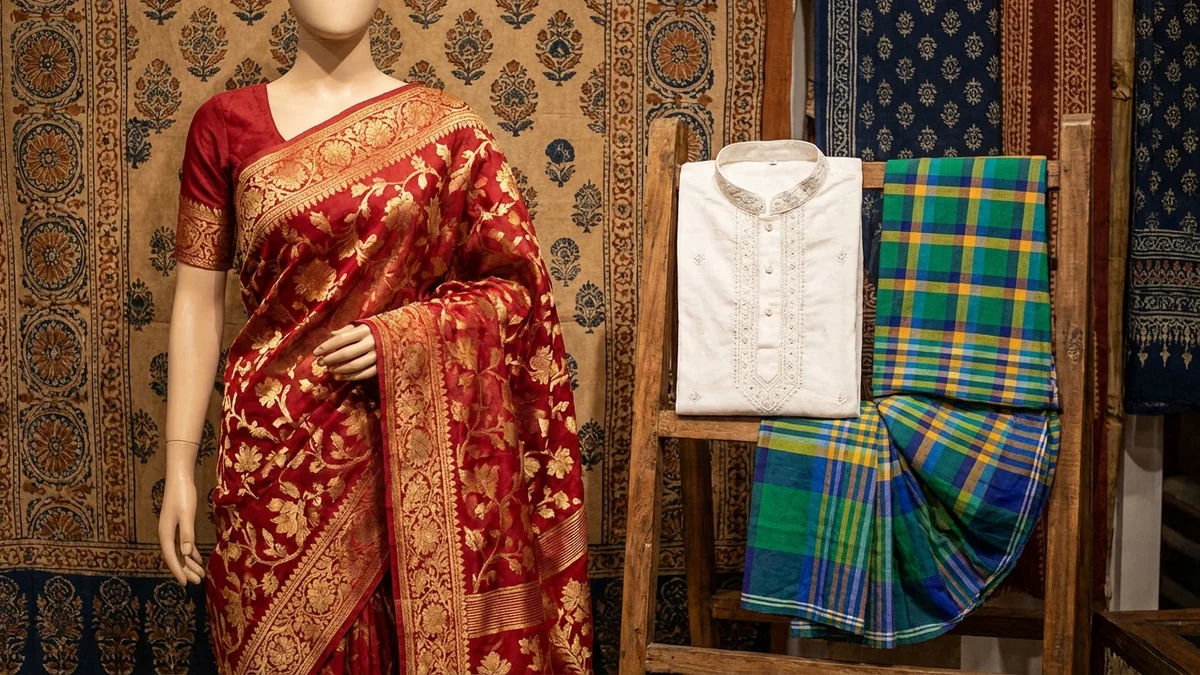
Bangladesh traditional clothes represent centuries of textile mastery, cultural heritage, and artistic expression. From the iconic jamdani saree recognized by UNESCO to the everyday comfort of the lungi, Bangladeshi clothing tells a story of craftsmanship passed down through generations. In 2026, traditional Bangladeshi dress continues to thrive alongside modern fashion, worn during festivals like Pohela Boishakh and Eid celebrations. Whether you're exploring Bengali dress culture or planning what to wear for a Bangladeshi event, this guide covers every style, fabric, and occasion you need to know.
TL;DR
Bangladesh traditional clothes include the saree (women's national dress), salwar kameez, panjabi, lungi, and dhoti. The jamdani saree is a UNESCO-recognized heritage craft woven by hand in Dhaka. Traditional Bangladeshi clothing uses cotton, silk, and muslin fabrics, worn during Eid, Pohela Boishakh, weddings, and daily life. Virtual try-on tools like CheckMyFit let you preview these styles before buying.
What Are the Traditional Clothes of Bangladesh?
Bangladesh traditional clothes are garments rooted in Bengali culture, worn for daily life, religious events, and celebrations. The most recognized pieces include the saree for women, the panjabi and lungi for men, and the salwar kameez as a versatile option for all ages. These garments reflect Bangladesh's rich textile heritage, which dates back centuries to the legendary Dhaka muslin era.
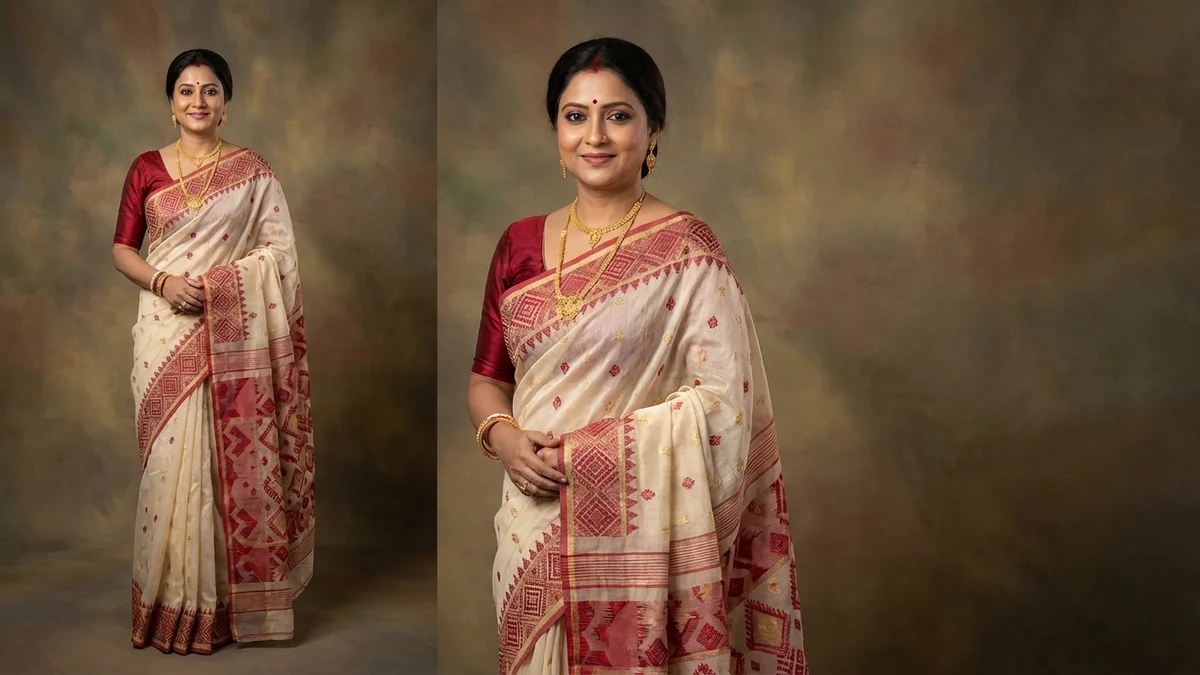
Bangladeshi traditional dress varies by region, occasion, and season. Rural communities often favor simpler cotton garments. Urban areas blend traditional styles with contemporary fashion. Regardless of setting, these clothes carry deep cultural significance.
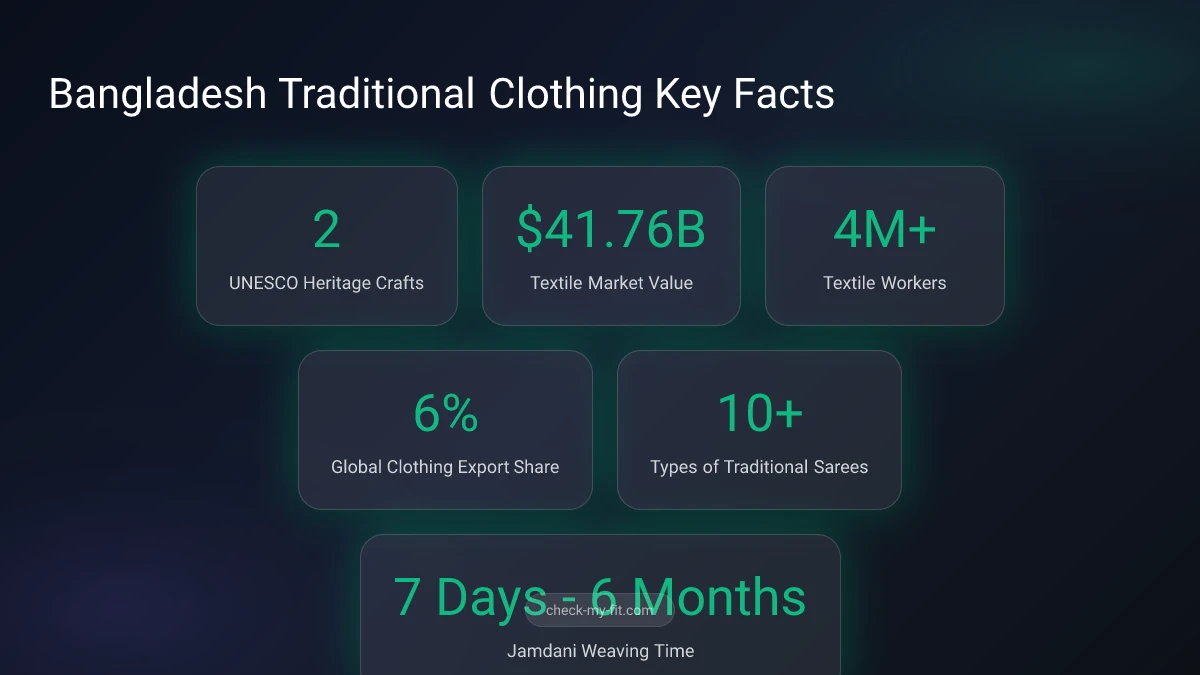
Bangladesh is the world's second-largest clothing exporter, with a textile market valued at $41.76 billion in 2026.
Key Takeaway: Traditional Bangladeshi clothes combine centuries-old craftsmanship with practical comfort, making them relevant for both everyday wear and special occasions.
What Do Women Wear in Bangladesh?
Women in Bangladesh traditionally wear the saree as their primary garment. A saree consists of a single unstitched cloth measuring 4.5 to 9 meters in length, draped elegantly around the body over a blouse and petticoat. The salwar kameez (a long tunic paired with loose trousers and a matching scarf called an orna) is equally popular, especially among younger women.
Types of Traditional Sarees in Bangladesh
Bangladesh produces some of the world's most exquisite saree varieties. Each type has distinct weaving techniques, fabrics, and regional origins.
| Saree Type | Region | Fabric | Special Feature |
|---|---|---|---|
| Jamdani | Narayanganj/Dhaka | Muslin cotton | UNESCO-recognized, geometric patterns |
| Tangail | Tangail district | Cotton | Bold borders, affordable elegance |
| Muslin | Dhaka | Fine cotton | Ultra-lightweight, historically royal |
| Baluchari | Rajshahi | Silk | Mythological narrative designs |
| Katan | Dhaka | Pure silk | Heavy, wedding-worthy fabric |
| Tant | Various regions | Cotton | Lightweight, everyday wear |
| Rajshahi Silk | Rajshahi | Silk | Rich texture, formal occasions |
Salwar Kameez
The salwar kameez is a three-piece outfit consisting of the kameez (tunic), salwar (trousers), and orna (scarf/dupatta). It offers more comfort and mobility than the saree. Most Bangladeshi women buy their salwar kameez as a pre-designed "three-piece" set, either ready-made or as uncut fabric taken to a tailor.
Color Significance in Women's Clothing
Colors carry specific meanings in Bangladeshi dress:
- Red: Worn by brides, symbolizing prosperity and marital bliss
- White: Associated with mourning and widowhood
- Green: Represents Islam and nature
- Yellow/Gold: Festive and celebratory
- Pastel shades: Popular for everyday wear
Key Takeaway: The saree remains the national dress for Bangladeshi women, with jamdani and Tangail varieties being the most culturally significant.
What Do Men Wear in Bangladesh?
Bangladeshi men wear the panjabi (also called kurta) as their most formal traditional garment. It is a long, loose-fitting tunic reaching the knees, paired with pajama (fitted trousers) or a lungi (wraparound cloth). The lungi is the most common everyday garment for men across Bangladesh.
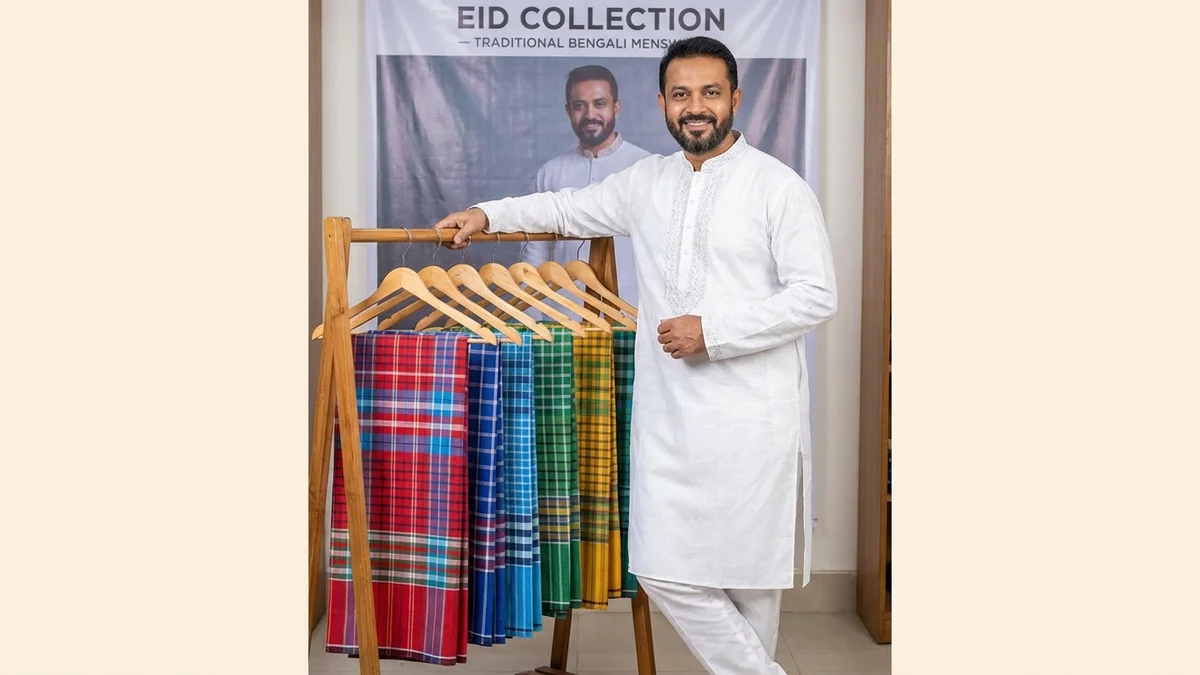
Men's Traditional Garments Comparison
| Garment | Description | Occasions | Fabric |
|---|---|---|---|
| Panjabi | Knee-length tunic | Eid, weddings, Jummah prayers | Cotton, silk |
| Lungi | Wraparound lower garment | Daily wear, casual events | Cotton, checks/stripes |
| Dhoti | Unstitched white cloth | Religious ceremonies, formal | Cotton, white/cream |
| Sherwani | Long embroidered coat | Weddings, grand events | Silk, brocade |
| Fotua | Short traditional shirt | Casual, Pohela Boishakh | Cotton |
The Lungi: Bangladesh's Most Popular Garment
The lungi deserves special attention. This rectangular cotton cloth, featuring vibrant checks, stripes, or floral patterns, is secured by folding or knotting at the waist. Millions of Bangladeshi men wear it daily for everything from work to sleep. It is affordable, comfortable in hot weather, and deeply embedded in Bengali culture.
The Sherwani for Formal Events
For weddings and grand celebrations, Bangladeshi men wear the sherwani. This long, elegant coat features a high collar, fitted sleeves, and intricate embroidery. Typically made of silk or brocade, it symbolizes sophistication and is paired with churidar pants.
Key Takeaway: The panjabi and lungi form the core of men's traditional Bangladeshi wardrobe, with the sherwani reserved for formal occasions.
The Jamdani Saree: Bangladesh's UNESCO Heritage Craft
The jamdani is Bangladesh's most celebrated textile and was declared a UNESCO Intangible Cultural Heritage in 2013. This handwoven muslin saree features intricate geometric or floral patterns created using a supplementary weft technique.
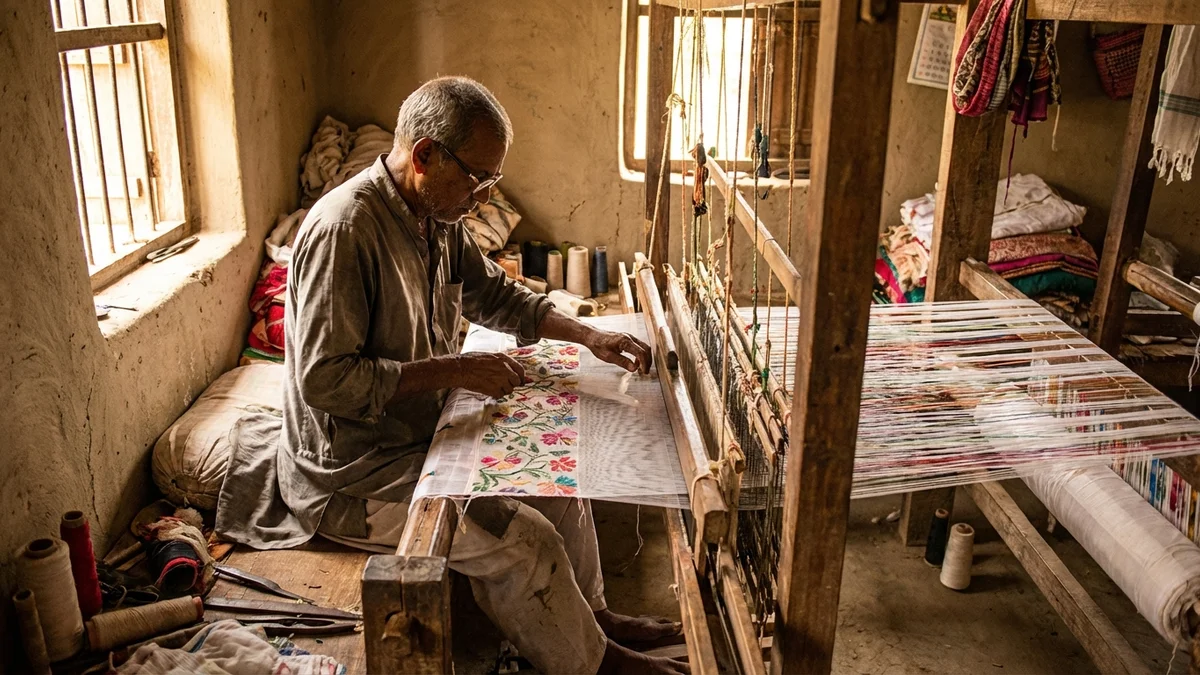
How Jamdani Is Made
Jamdani weaving is one of the most labor-intensive forms of handloom textile production:
- Warp Setup: Fine cotton threads are stretched on a handloom
- Pattern Design: Artisans follow geometric motifs from memory or paper templates
- Supplementary Weft: Individual pattern threads are interlaced by hand using bamboo sticks
- Weaving Time: A single saree takes 7 days to 6 months depending on complexity
- Quality Check: Each piece is inspected for consistency and pattern accuracy
Two artisans typically work 12 to 14 hours a day on a single jamdani saree. This painstaking process explains why authentic jamdani sarees command premium prices.
Jamdani Facts
| Fact | Detail |
|---|---|
| UNESCO Recognition | 2013 (Intangible Cultural Heritage) |
| GI Status | 2016 (Geographical Indication for Bangladesh) |
| Origin | Narayanganj, near Dhaka |
| Primary Fabric | Fine muslin cotton |
| Weaving Technique | Supplementary weft on handloom |
| Production Time | 7 days to 6 months per saree |
| Price Range | $50 to $2,000+ |
In 2016, Bangladesh received Geographical Indication (GI) status for jamdani saree, protecting its cultural and economic heritage.
Key Takeaway: The jamdani saree represents Bangladesh's finest textile tradition, requiring exceptional skill and patience to produce each piece by hand.
When Are Bangladesh Traditional Clothes Worn?
Traditional Bangladeshi clothing is worn year-round, but certain occasions call for specific garments and styles. Understanding when to wear each type helps you dress appropriately for any Bengali event.
| Occasion | Women's Attire | Men's Attire |
|---|---|---|
| Eid ul-Fitr | New saree or salwar kameez | New panjabi with pajama |
| Pohela Boishakh (Bengali New Year) | Red and white saree | White panjabi with dhoti |
| Weddings | Silk saree, katan, or lehenga | Sherwani or embroidered panjabi |
| Jummah Prayers | Modest salwar kameez | White panjabi |
| Daily Wear | Salwar kameez or cotton saree | Lungi with shirt or fotua |
| Durga Puja | Traditional red/white saree | White dhoti and panjabi |
| National Events | Saree in national colors | Panjabi |
Pohela Boishakh: The Bengali New Year
Pohela Boishakh (April 14) is the most colorful celebration for traditional dress in Bangladesh. Women wear red and white sarees with matching bangles and flowers. Men opt for white fotuas or panjabis. The streets fill with processions where traditional clothing takes center stage.
Wedding Attire
Bangladeshi weddings feature the most elaborate traditional clothing. Brides wear heavy silk or katan sarees in red and gold. Grooms dress in sherwanis or richly embroidered panjabis. Guests also wear their finest traditional garments.
Traditional Fabrics and Textiles of Bangladesh
Bangladesh has a legendary textile heritage. The fabrics used in traditional clothing reflect centuries of weaving expertise.
Historical Significance of Muslin
Dhaka muslin was once the most prized fabric in the world. So fine it was called "woven air," muslin from Dhaka was exported to the Roman Empire and Mughal courts. British colonization devastated the muslin industry, but revival efforts continue today.
Key Traditional Fabrics
- Muslin: Ultra-fine cotton, historically from Dhaka
- Cotton: Most common fabric for everyday traditional wear
- Silk: Used for formal sarees and sherwanis (Rajshahi silk is famous)
- Khadi: Handspun cotton, associated with self-reliance movements
- Endi: Wild silk from Sylhet region
- Tant: Lightweight cotton for summer sarees
Bangladesh employs over 4 million workers in its textile sector, supporting more than 30 million people in allied industries.
How to Try On Bangladesh Traditional Clothes Virtually
Curious how a jamdani saree or panjabi would look on you? Modern technology makes it possible to preview traditional Bangladeshi clothing before purchasing. AI-powered virtual try-on tools let you upload your photo and see how different garments look on your body type.
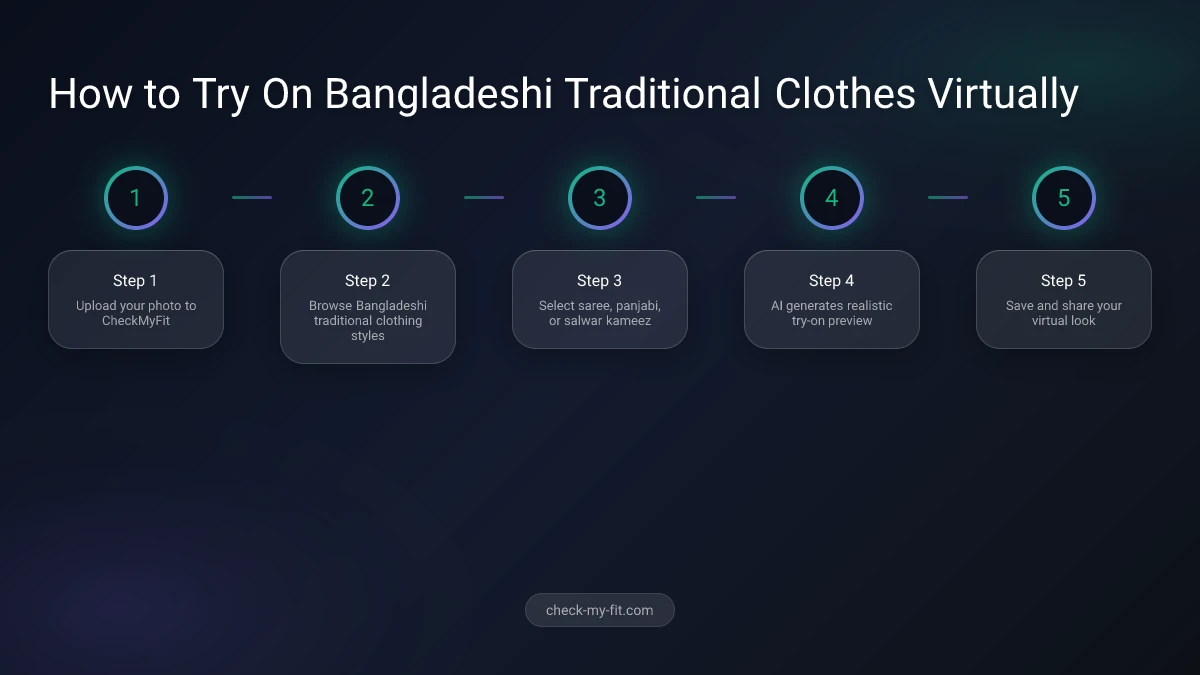
This is especially useful when shopping for:
- Wedding outfits where fit and draping matter
- Festival clothing like Pohela Boishakh sarees
- Gift purchases when you want to visualize the garment on someone
- Online shopping from Bangladeshi stores like Aarong
With CheckMyFit, you can explore different traditional clothing styles from Bangladesh and other South Asian countries. If you're interested in similar traditional fashion from the region, check out our guides on Indian traditional clothing and Nepali traditional dress.
Key Takeaway: Virtual try-on technology eliminates the guesswork when shopping for traditional Bangladeshi garments online.
Indigenous and Tribal Clothing in Bangladesh
Beyond the mainstream Bengali dress culture, Bangladesh is home to over 45 indigenous communities with unique clothing traditions. The Chakma, Marma, and Tripura tribes of the Chittagong Hill Tracts maintain distinctive textile practices.
- Chakma women weave their own fabric on backstrap looms, creating colorful striped patterns
- Garo communities in Mymensingh use handwoven cotton with bold geometric designs
- Manipuri groups in Sylhet wear traditional garments influenced by their Northeast Indian heritage
These indigenous textiles represent an often-overlooked aspect of Bangladesh's rich clothing diversity.
Recommended Products for Bangladesh Traditional Clothing
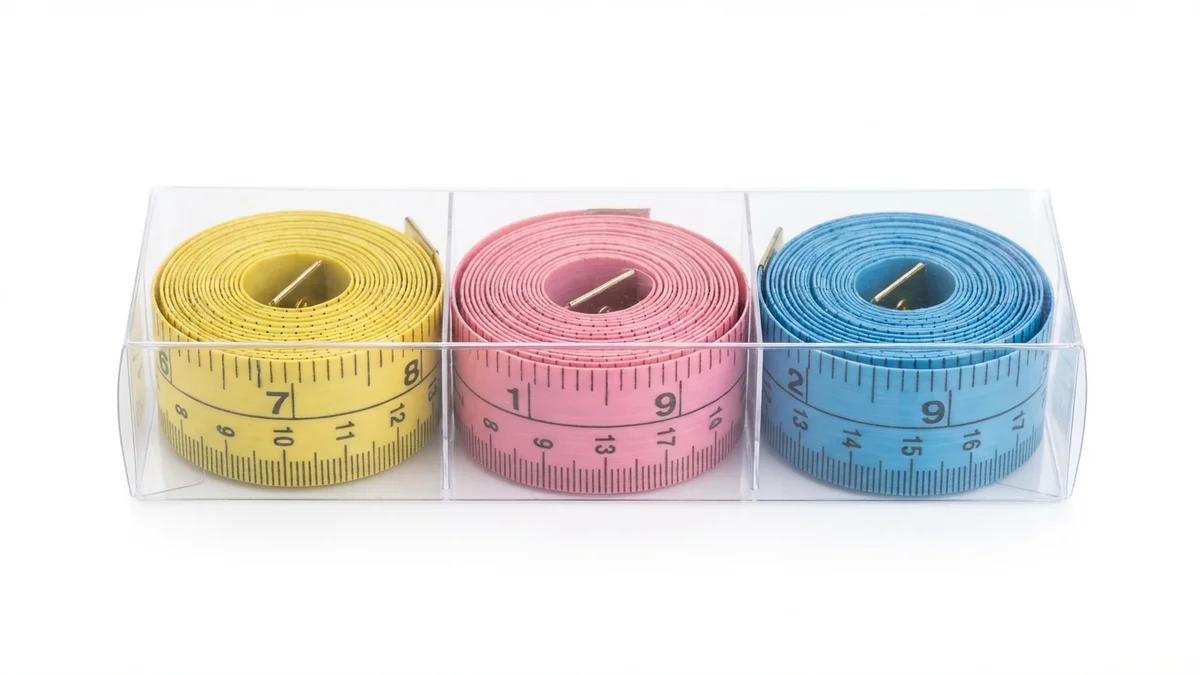
Essential for getting accurate measurements before ordering custom-tailored traditional clothing like sarees and salwar kameez.
View on Amazon →
Keep your sarees and panjabis wrinkle-free with this portable steamer. Safe for delicate fabrics like silk and muslin.
View on Amazon →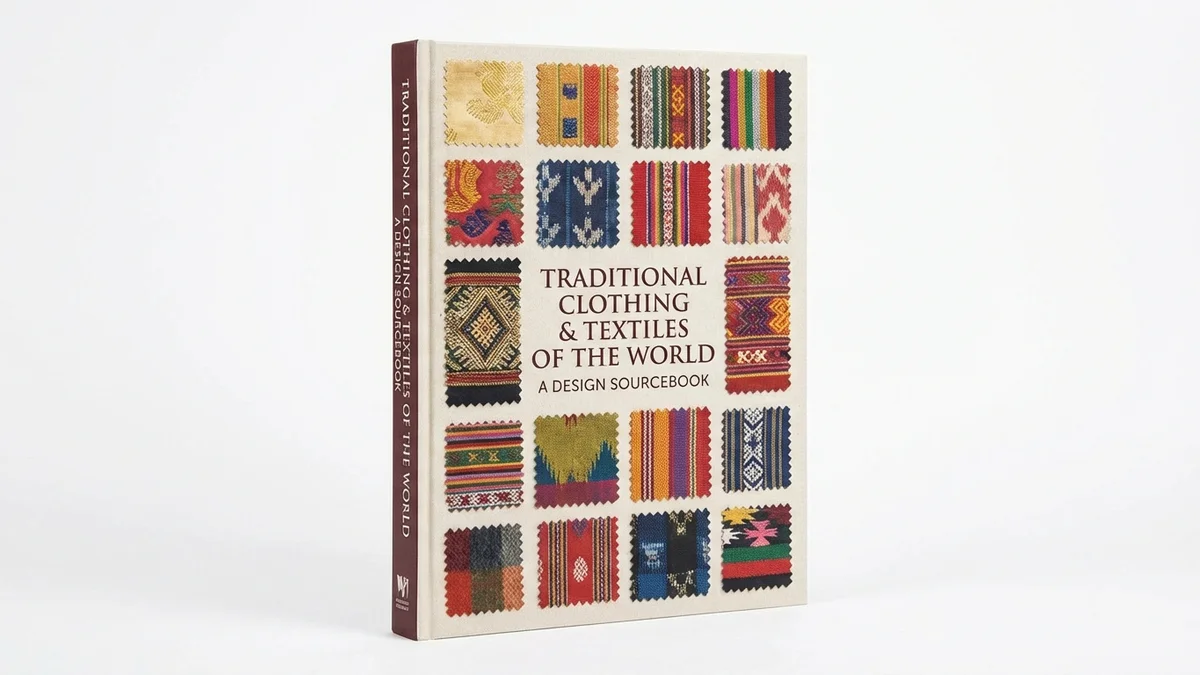
Learn how to build a wardrobe that blends traditional and modern styles. Great for incorporating Bangladeshi clothing into everyday fashion.
View on Amazon →Modern Evolution of Bangladeshi Fashion
Bangladeshi fashion has evolved significantly while maintaining its traditional roots. The British Bangladeshi Fashion Council promotes Bangladeshi designers on the global stage. Brands like Aarong, founded by BRAC, have popularized traditional handloom products both domestically and internationally.
Key Trends in 2026
- Fusion fashion: Traditional jamdani patterns on Western silhouettes
- Sustainable fashion: Revival of handloom and natural dye techniques
- Online shopping: Platforms like Daraz and Aarong's website making traditional clothes accessible globally
- Virtual try-on: AI technology helping diaspora communities shop for traditional clothes remotely
The fusion of traditional Bangladeshi clothing with contemporary design has created a thriving fashion industry. Young Bangladeshi designers are gaining recognition at international fashion weeks. You can explore how traditional dress from other cultures is evolving too in our Korean traditional fashion guide and Indonesian traditional attire guide.
Frequently Asked Questions
What is the national dress of Bangladesh?
The saree is considered the national dress for women in Bangladesh, while the panjabi with pajama or lungi is the traditional dress for men. The saree is a single unstitched cloth draped over the body, typically 4.5 to 9 meters long. These garments are worn across all regions and social classes in Bangladesh.
What is a jamdani saree and why is it famous?
The jamdani saree is a handwoven muslin fabric from the Dhaka region, famous for its intricate geometric patterns created using a supplementary weft technique. UNESCO recognized the traditional art of jamdani weaving as an Intangible Cultural Heritage in 2013. Each saree can take 7 days to 6 months to complete by hand.
What occasions require traditional Bangladeshi clothing?
Traditional Bangladeshi clothing is worn during Eid celebrations, Pohela Boishakh (Bengali New Year), weddings, Jummah prayers, Durga Puja, and national events. For Pohela Boishakh, women typically wear red and white sarees while men wear white panjabis. Weddings feature the most elaborate traditional outfits.
What fabrics are used in Bangladeshi traditional dress?
The primary fabrics include cotton for everyday wear, silk for formal occasions, and muslin for premium garments. Other traditional fabrics are khadi (handspun cotton), endi (wild silk from Sylhet), and tant (lightweight cotton). Dhaka muslin was historically the world's finest fabric.
How do you wear a Bangladeshi saree?
A Bangladeshi saree is draped by first tucking one end into the petticoat at the waist, wrapping it around the body, and creating pleats at the front. The remaining fabric, called the pallu, is draped over the left shoulder. Each region has slightly different draping styles and techniques.
What is a lungi and how is it worn?
A lungi is a rectangular cotton cloth with colorful checks, stripes, or floral patterns. It is wrapped around the waist and secured by folding or knotting. Worn by millions of Bangladeshi men daily, the lungi is valued for its comfort in hot weather and remains one of Bangladesh's most iconic garments.
How has Bangladeshi fashion evolved in recent years?
Bangladeshi fashion has evolved through fusion designs that blend traditional elements with modern silhouettes. Brands like Aarong have brought handloom products to global markets. Young designers showcase Bengali textiles at international fashion weeks. Virtual try-on technology now lets people preview traditional styles online before purchasing.
Can tourists wear traditional Bangladeshi clothing?
Absolutely. Bangladeshi people generally appreciate when visitors show interest in their traditional clothing. The salwar kameez is the most practical option for tourists as it is comfortable and modest. For festivals like Pohela Boishakh, wearing traditional dress is warmly welcomed and encouraged.
Conclusion
Bangladesh traditional clothes are far more than garments. They represent a living cultural heritage spanning centuries of textile artistry. From the UNESCO-recognized jamdani saree to the humble lungi, each piece carries the story of Bangladeshi craftsmanship and identity.
Whether you're preparing for a Bengali wedding, exploring South Asian fashion, or simply curious about one of the world's richest textile traditions, understanding Bangladeshi traditional dress opens a window into a vibrant culture. With modern tools like CheckMyFit's virtual try-on, you can now explore and visualize these beautiful garments from anywhere in the world.